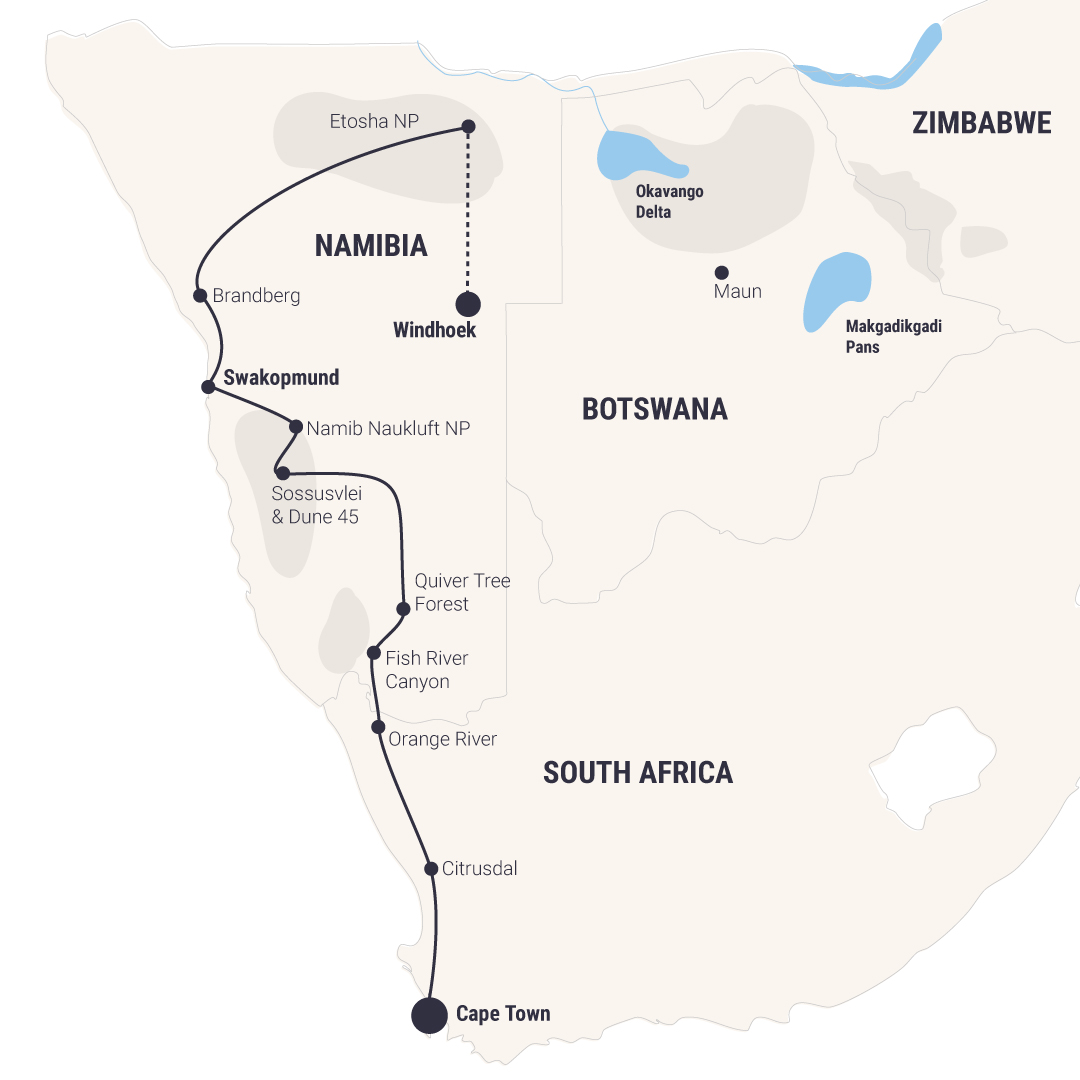
NAMIBIA
Namibia offers a glimpse into Africa's untamed beauty, where ancient tribal traditions thrive alongside rare desert elephants, wild horses, and vast seal colonies. This country boasts some of the continent's most rugged and awe-inspiring landscapes, capturing the essence of Africa's wild side.
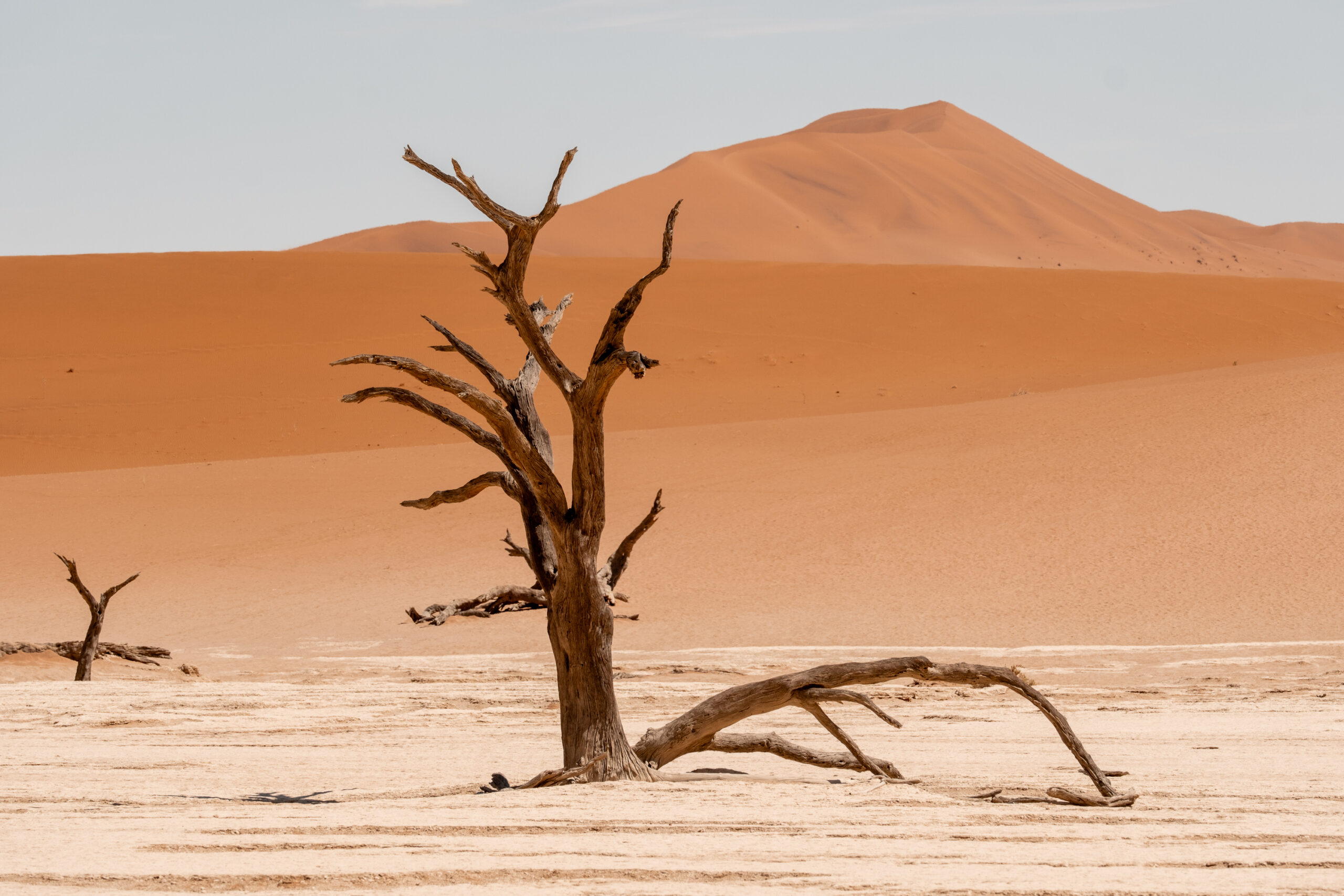
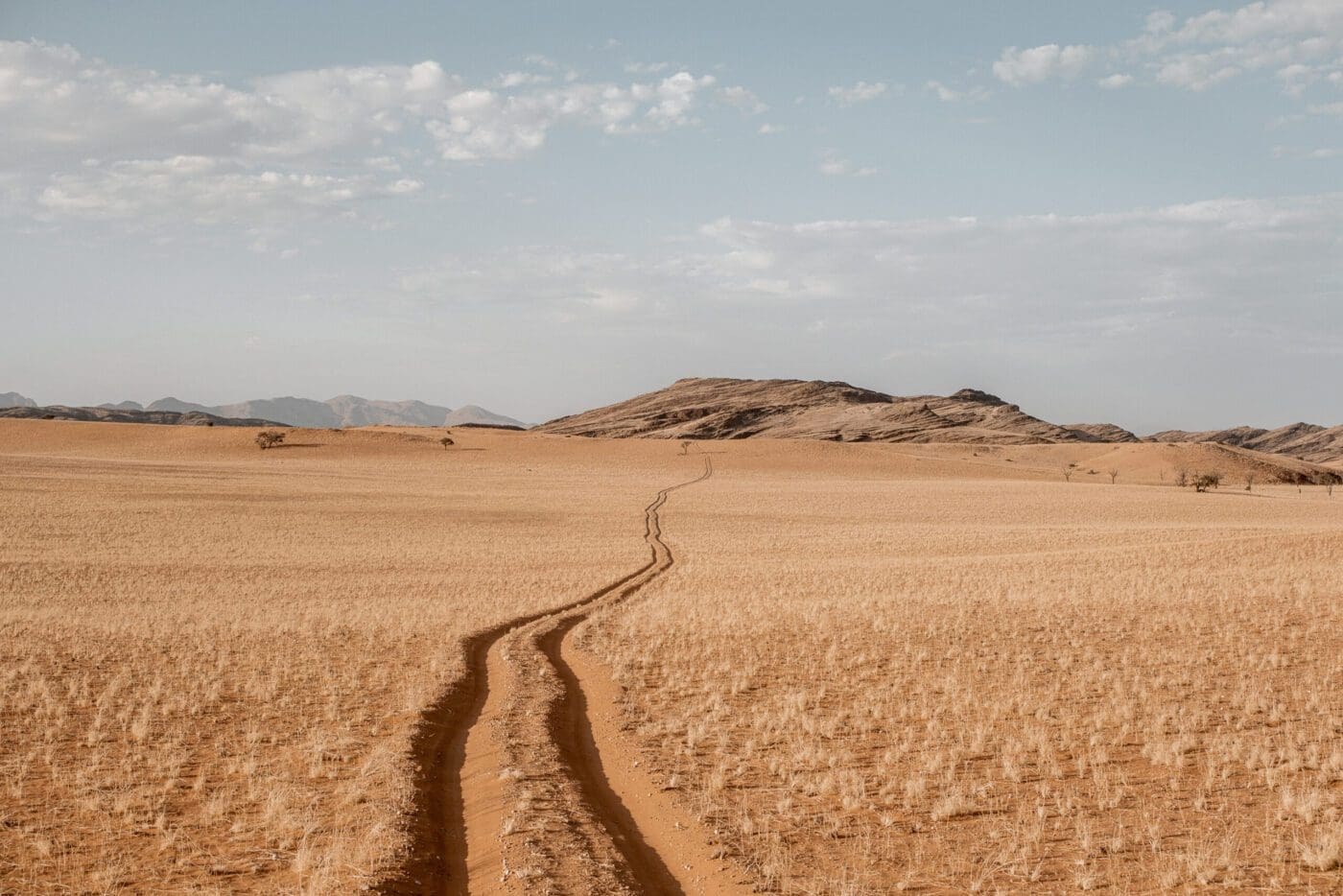
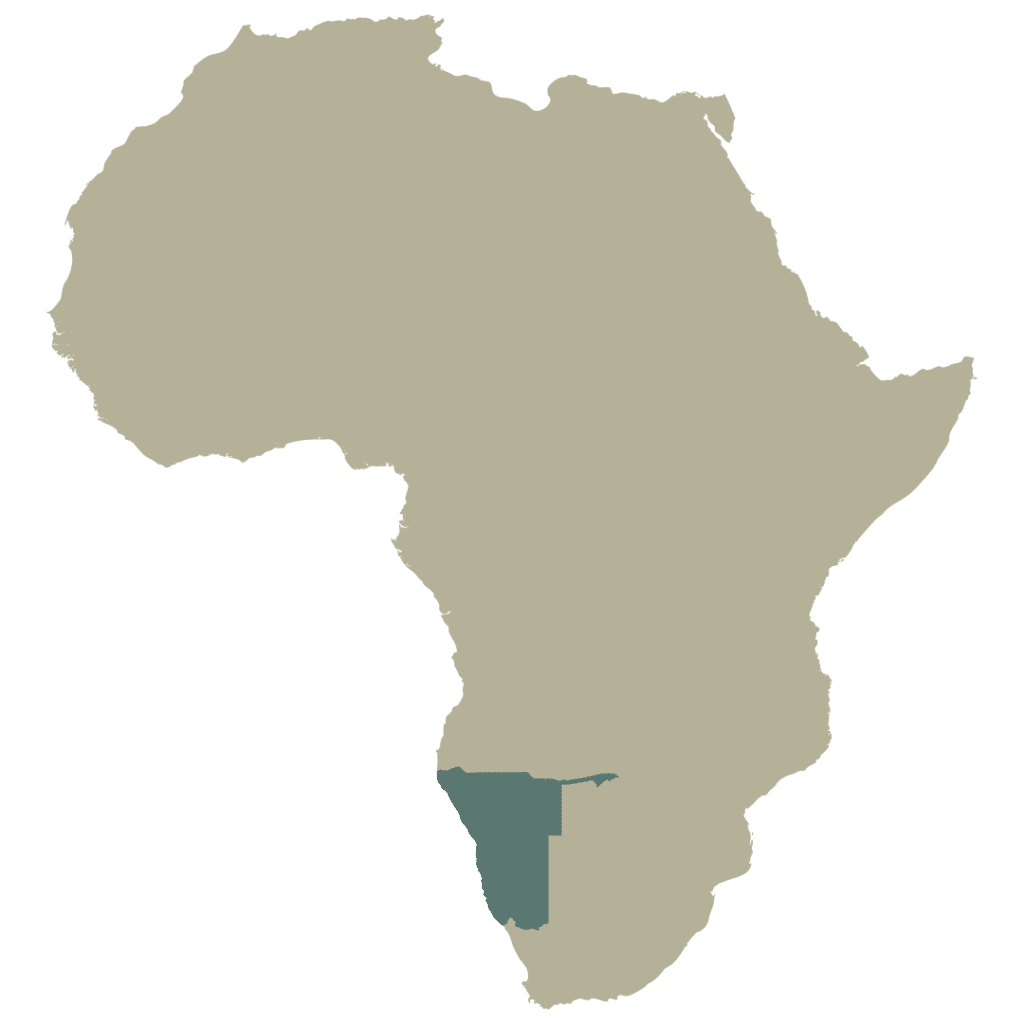
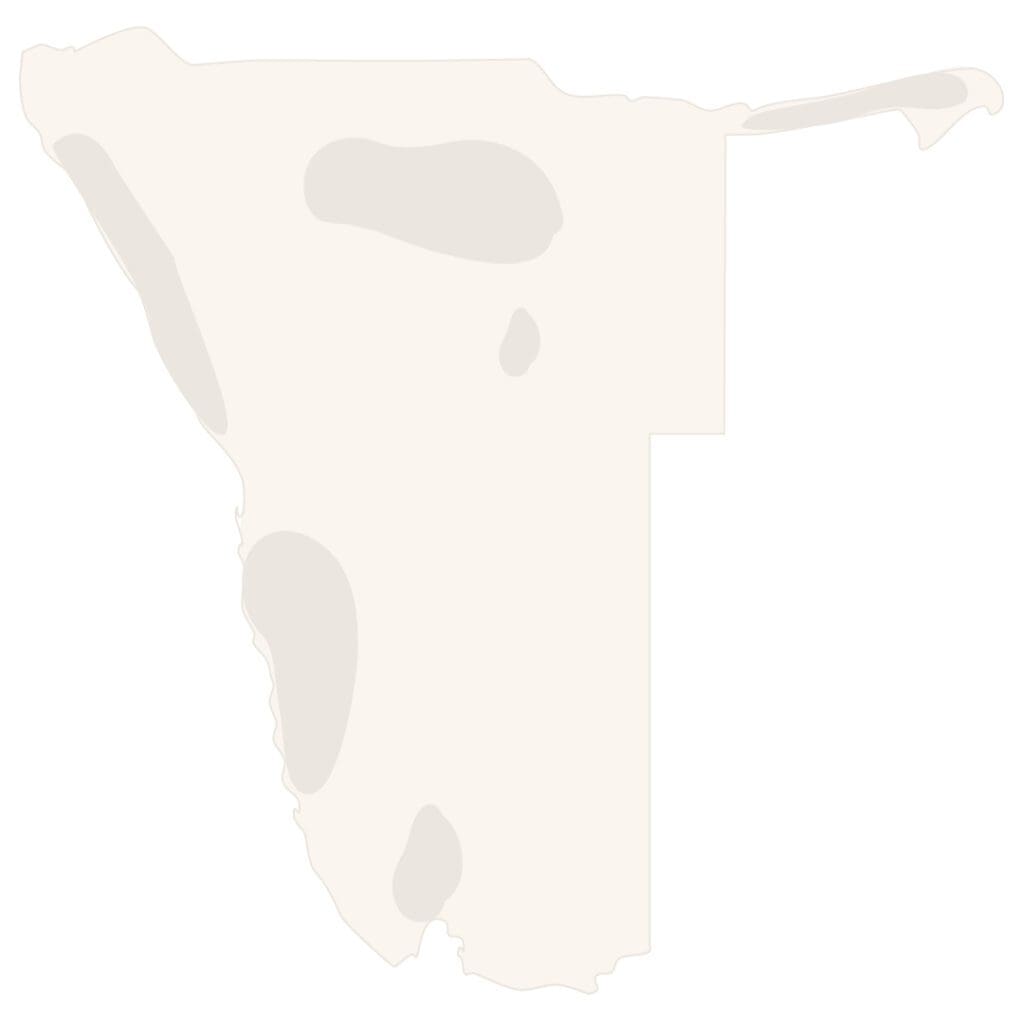
Namibia, located in Southern Africa, is known for its stunning desert plains and sand dunes. With a unique landscape unlike neighboring Angola, South Africa, and Botswana, it spans 824,000 square kilometers. Despite its vast size, Namibia offers breathtaking scenery at every turn.
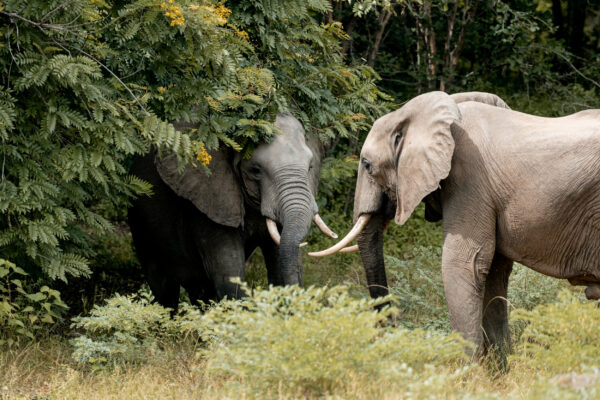
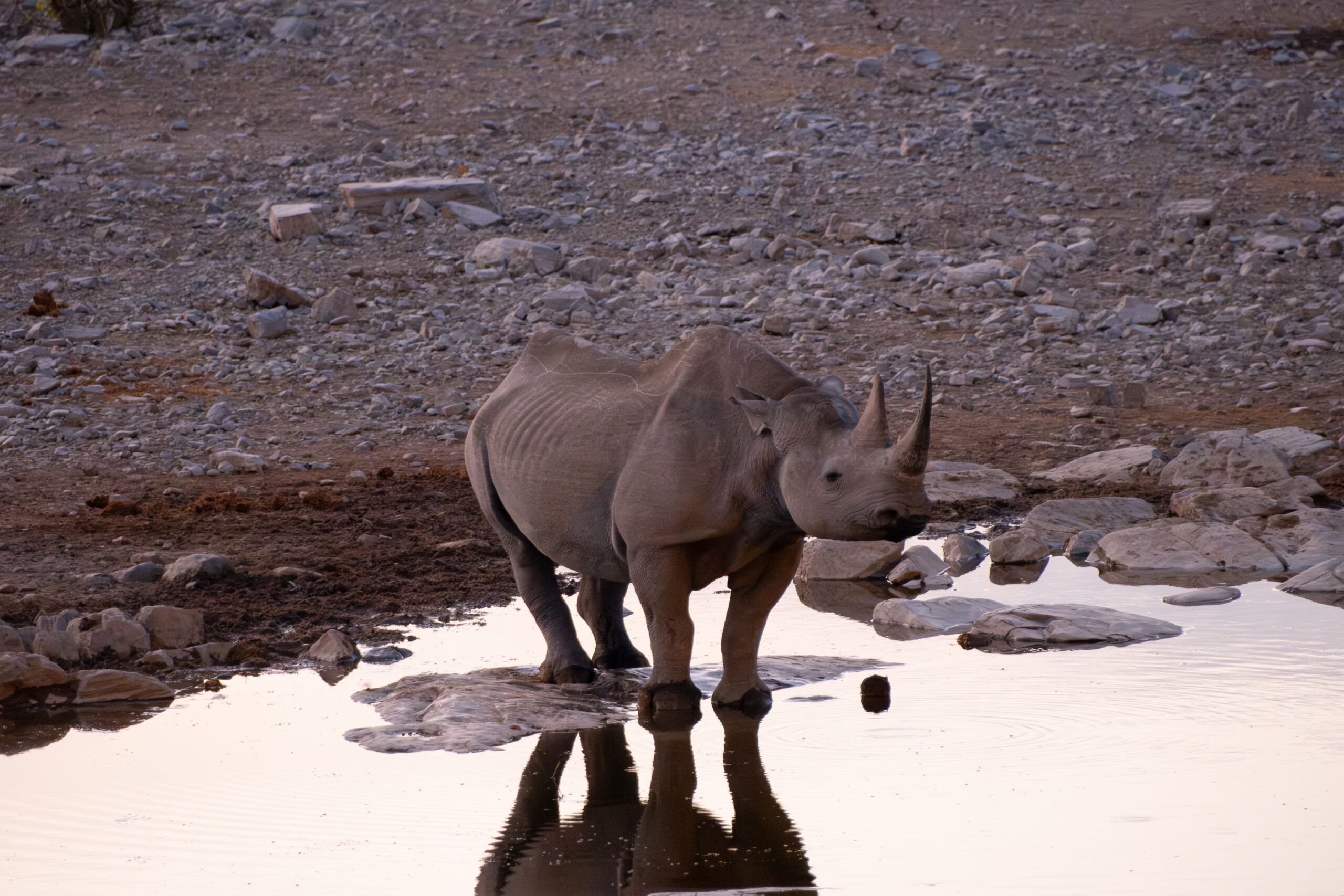
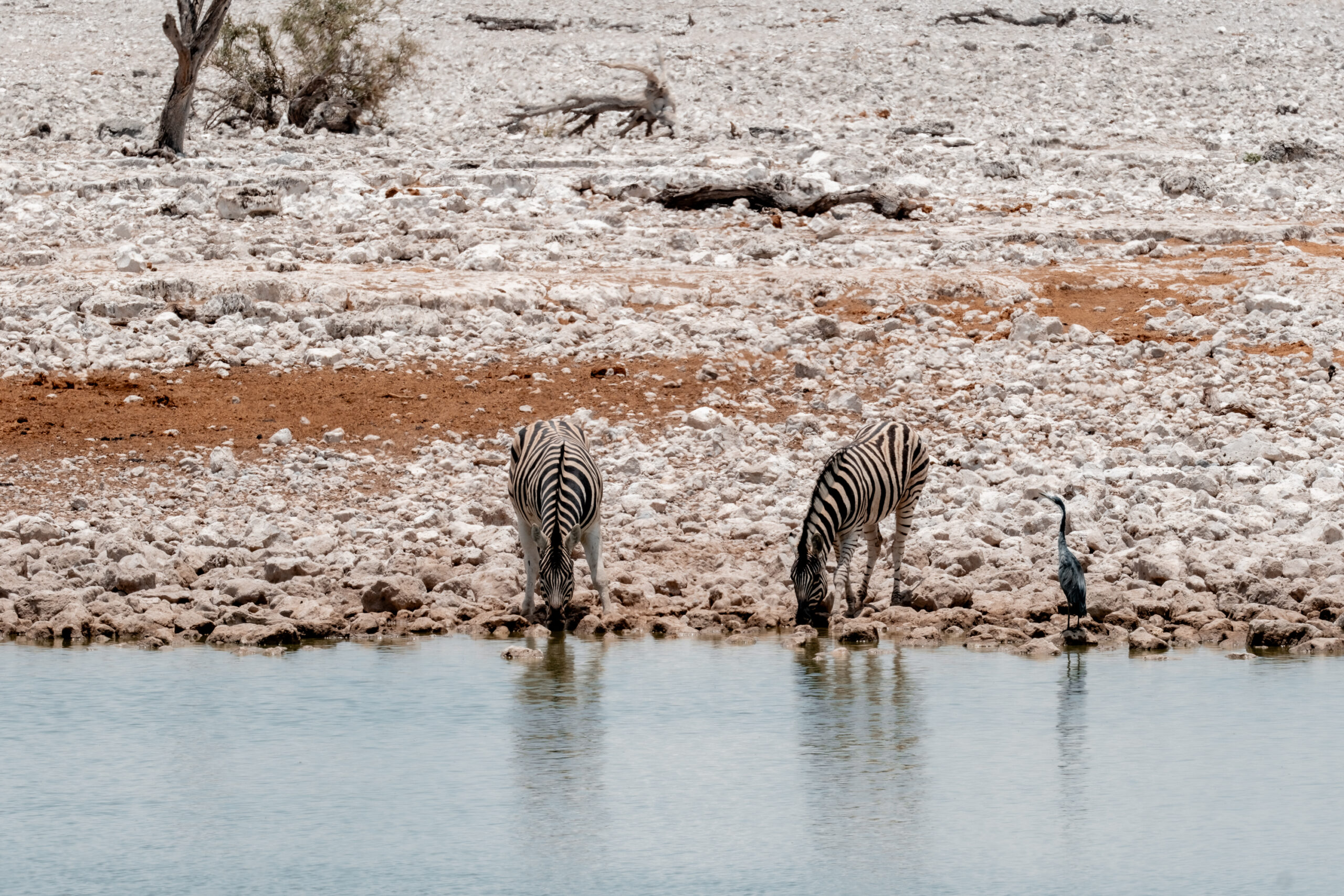
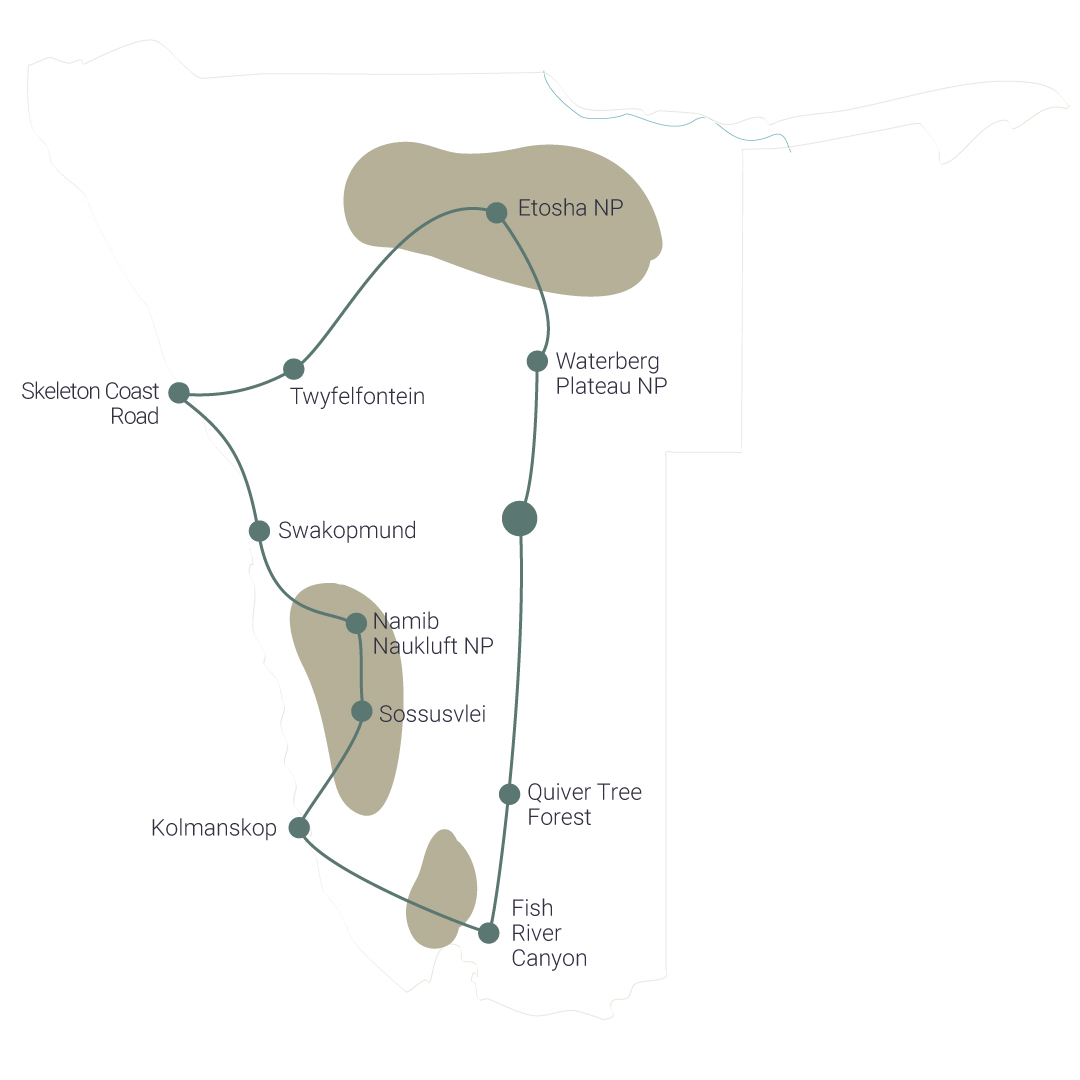
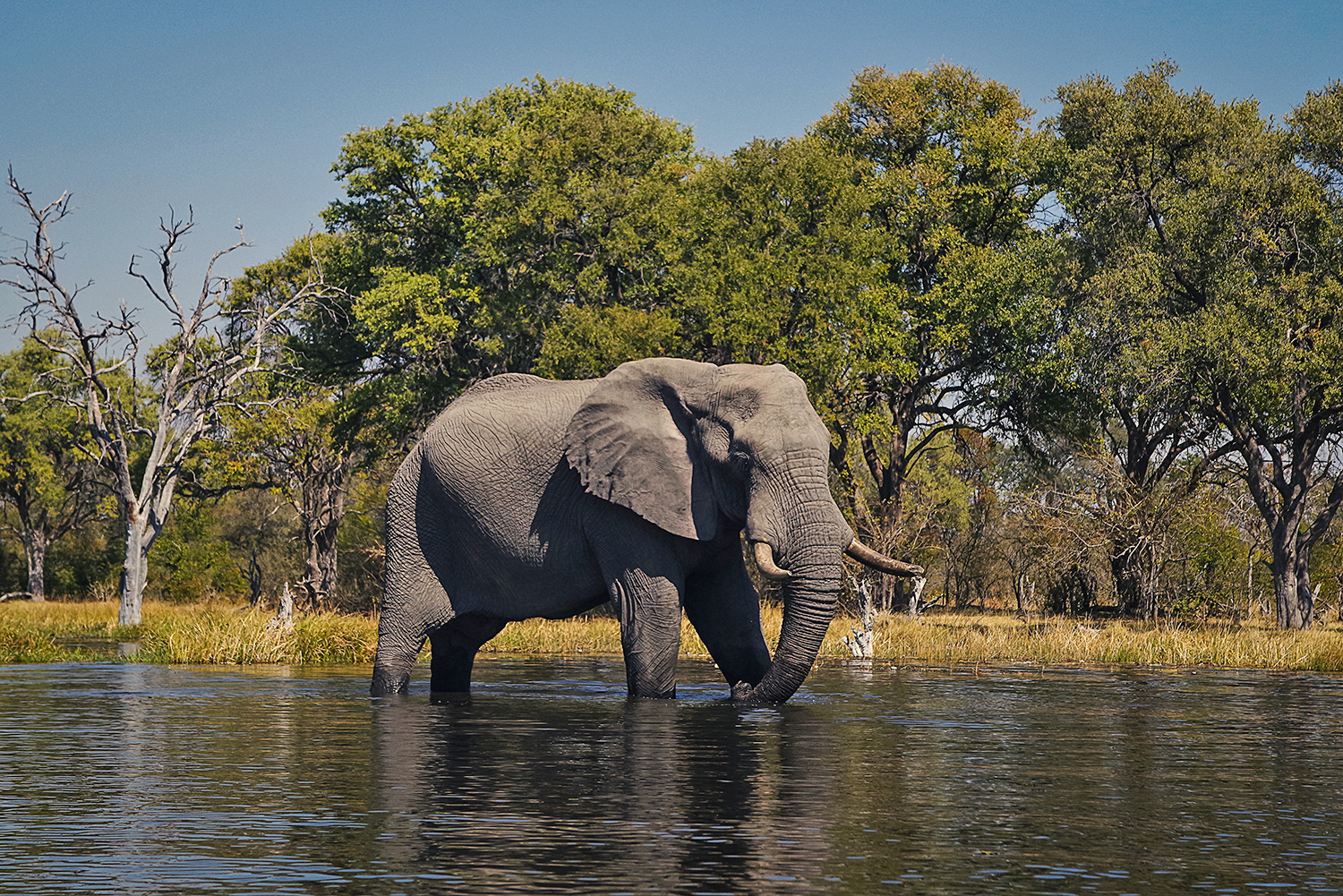
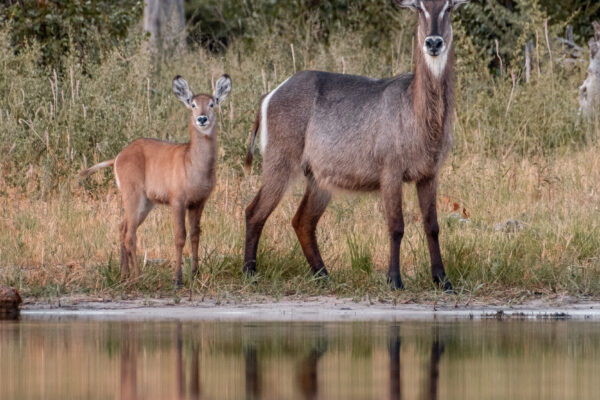
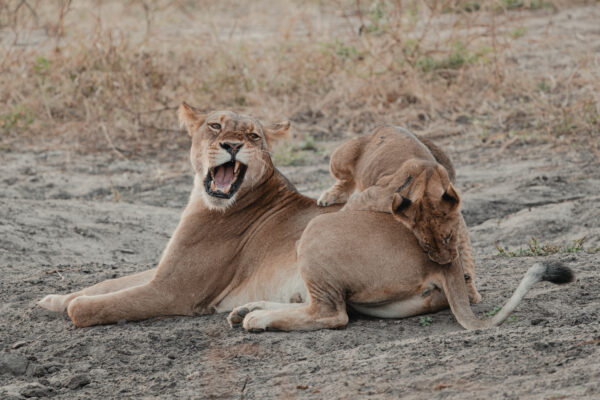
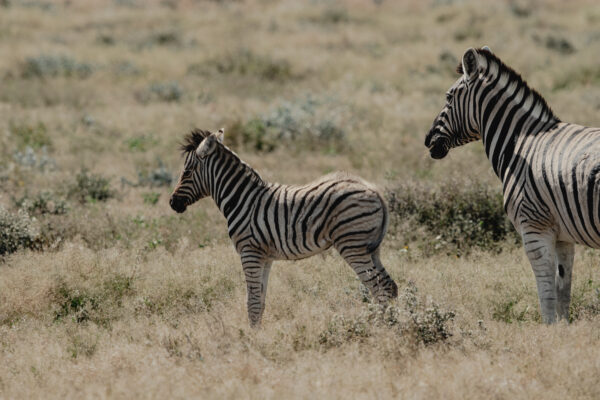
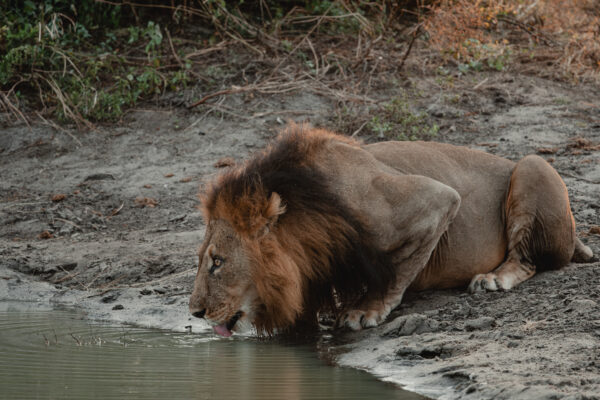
While its deserts may appear lifeless, they are teeming with wildlife, including wild horses, snakes, and iconic African species. Visitors can explore several game reserves, with Etosha National Park being the most popular, offering both camping and luxury stays.
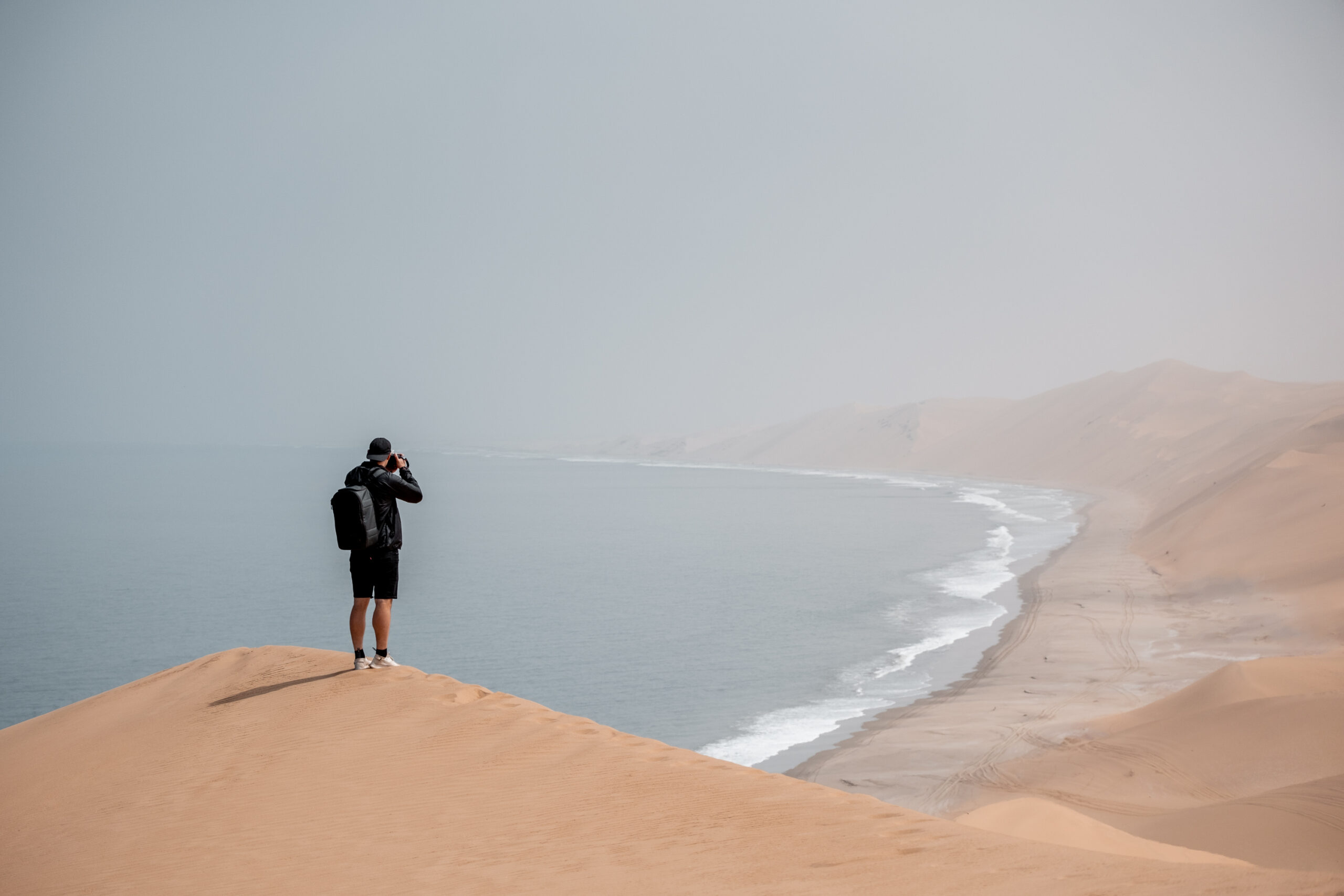
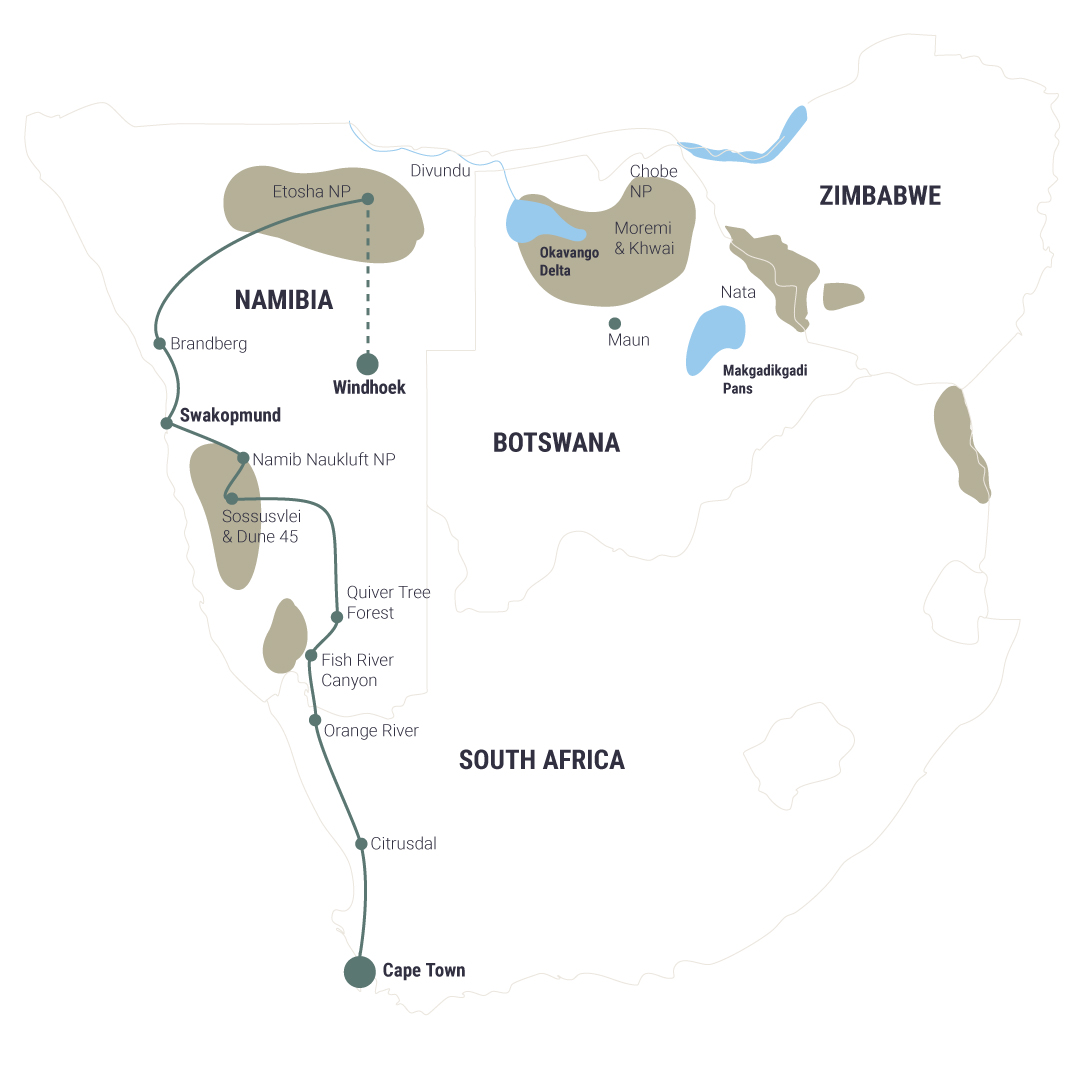
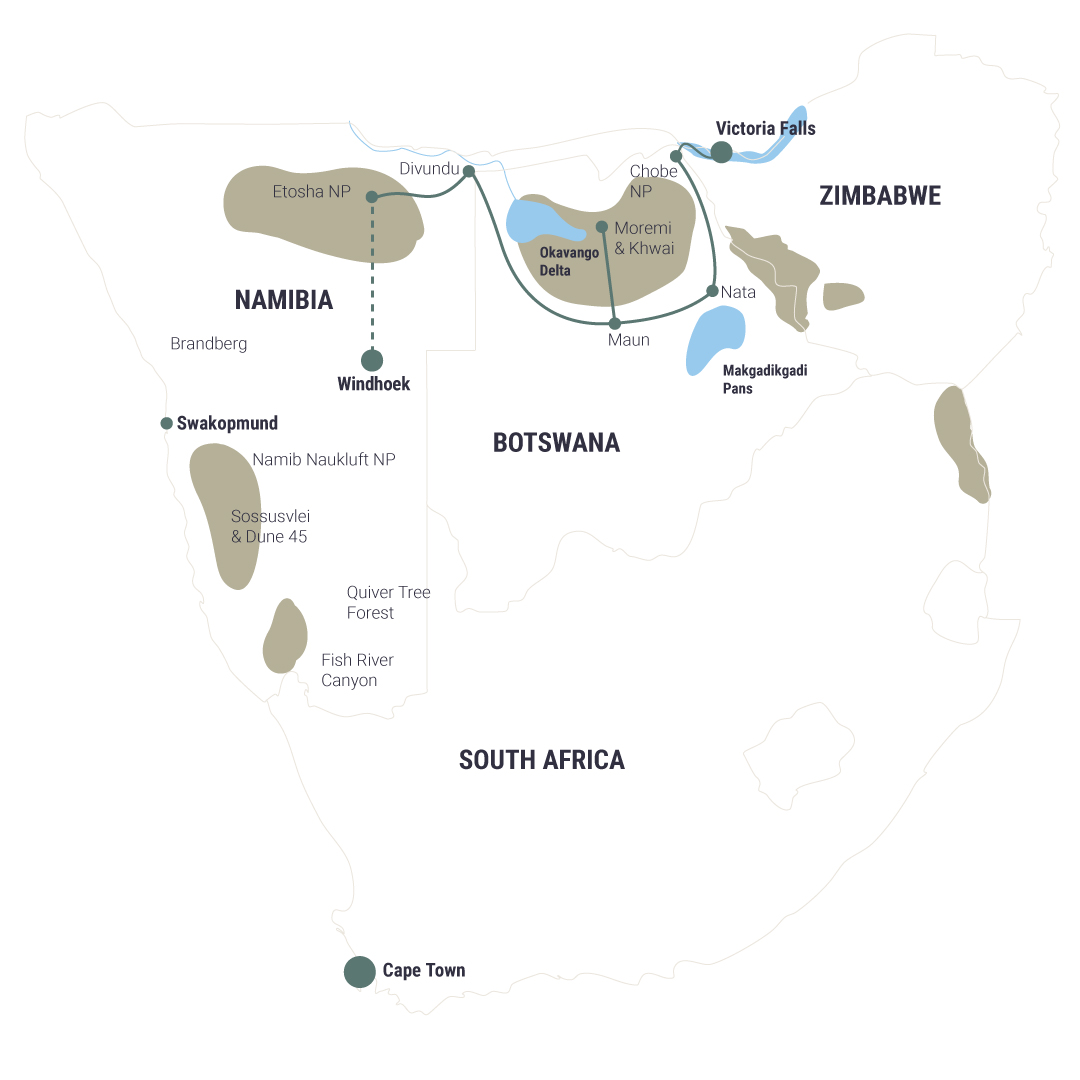
For a true Namibian adventure, don’t miss Swakopmund, the Fish River Canyon, Damaraland, Kaokoveld, and the Skeleton Coast, where the desert meets the ocean. The Kalahari’s beautiful landscapes and wildlife will transport you to a captivating new world.
Click to learn more...
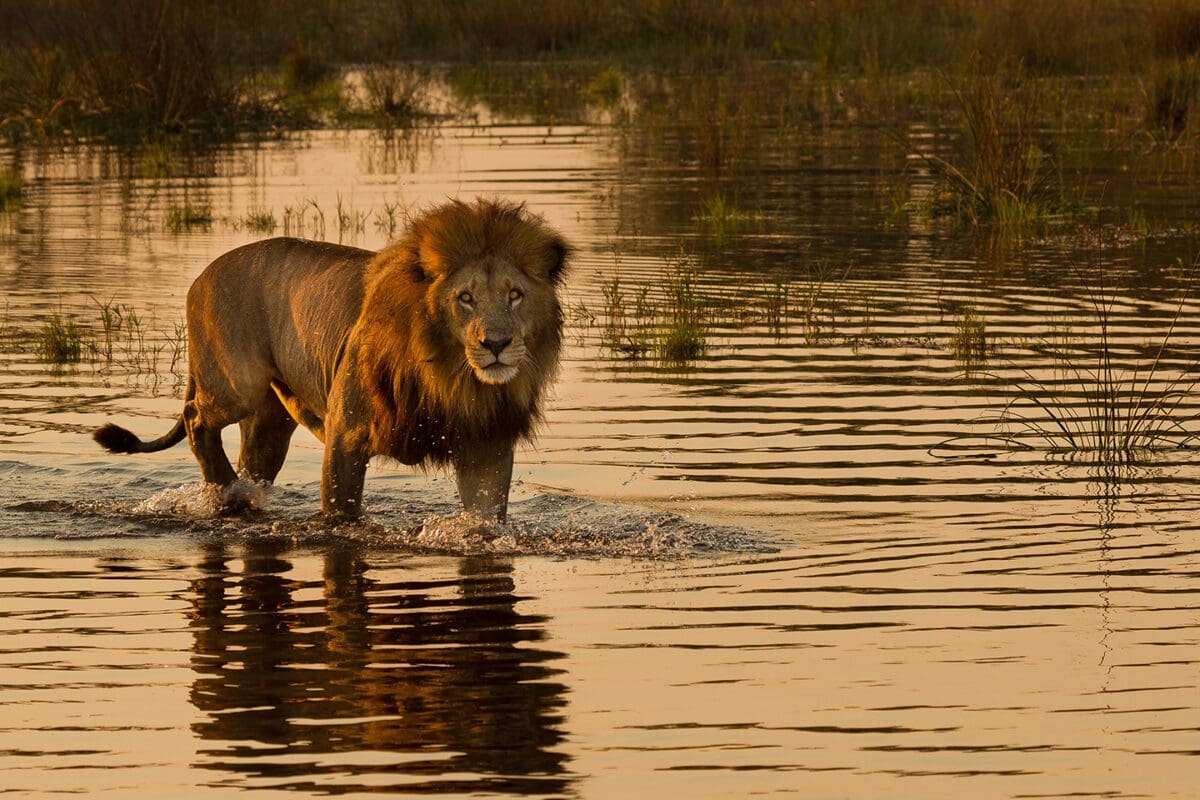
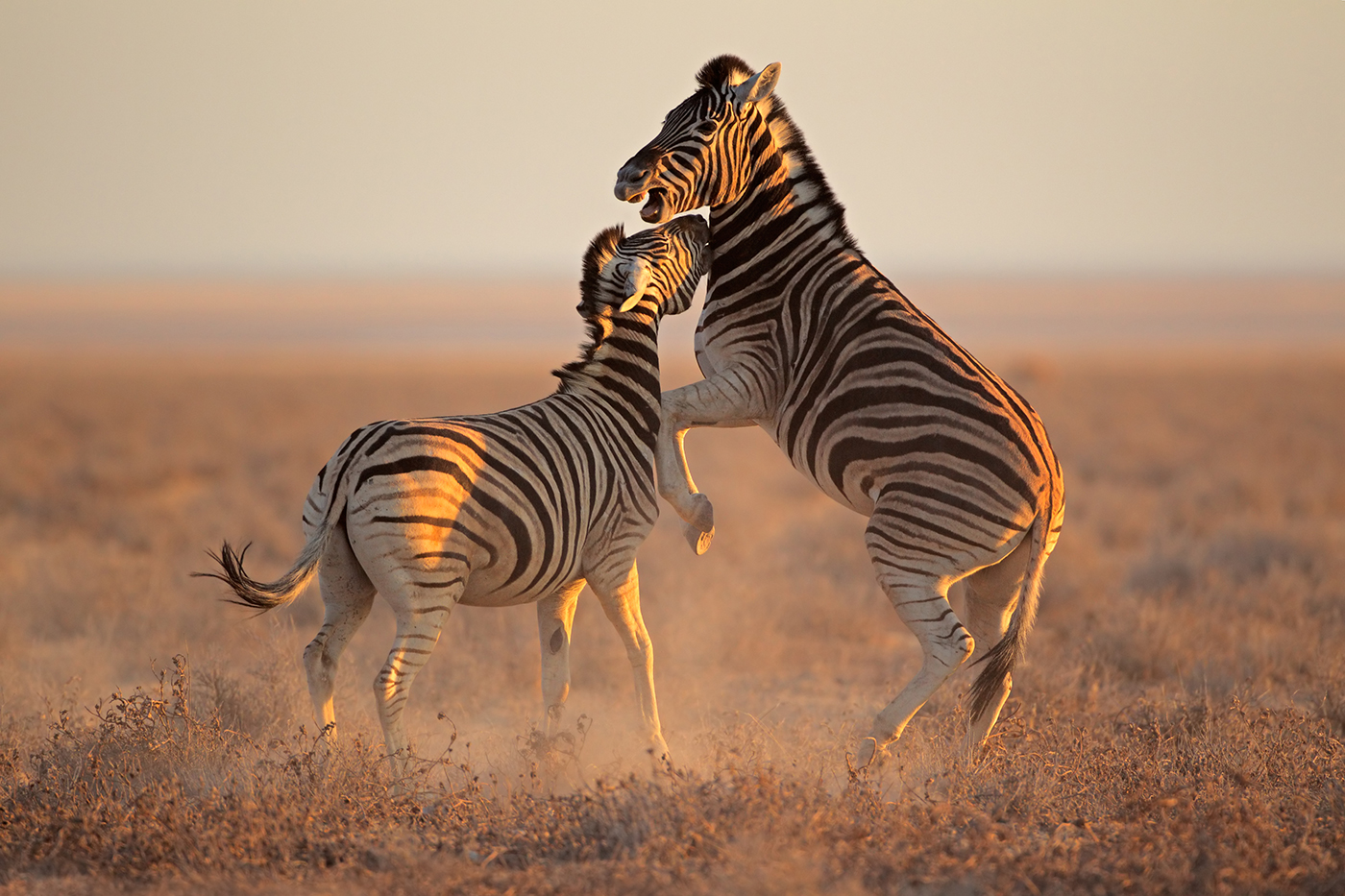
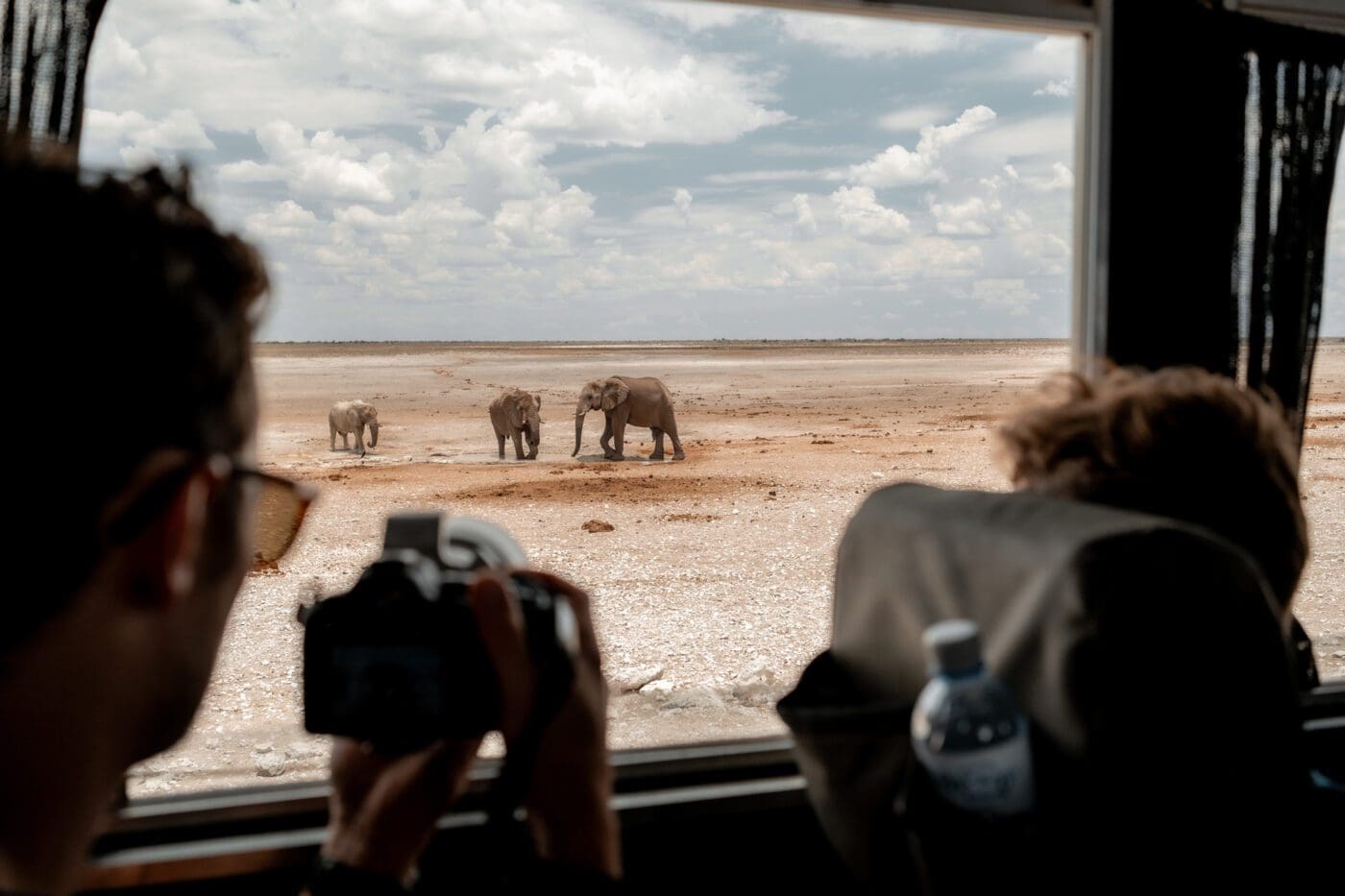
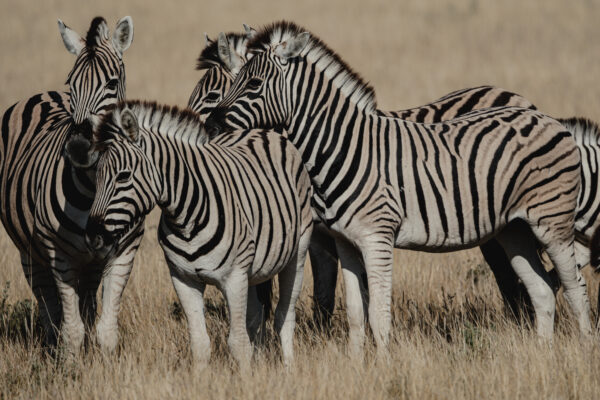
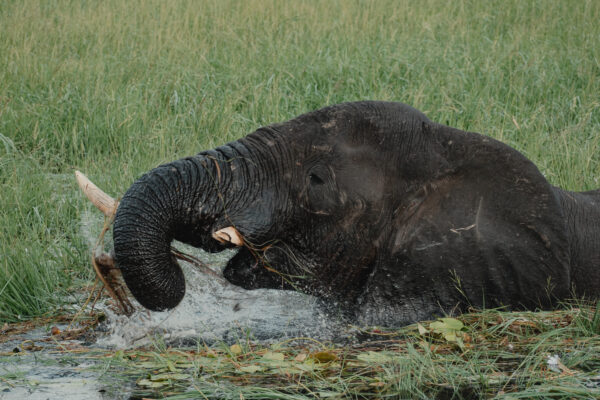
Etosha National Park is one of Africa’s most extraordinary wildlife destinations, centered around a vast, shimmering salt pan that stretches across the Kalahari Basin. Spanning 120 kilometers, this ancient lakebed transforms with the seasons, from a stark, almost lunar landscape to a glistening mirage after the rains, attracting a spectacular variety of wildlife. Home to four of the Big Five—lions, elephants, leopards, and rhinos—along with giraffes, zebras, and countless antelope species, Etosha offers some of the most rewarding game viewing on the continent.Click to learn more...
Click to learn more...
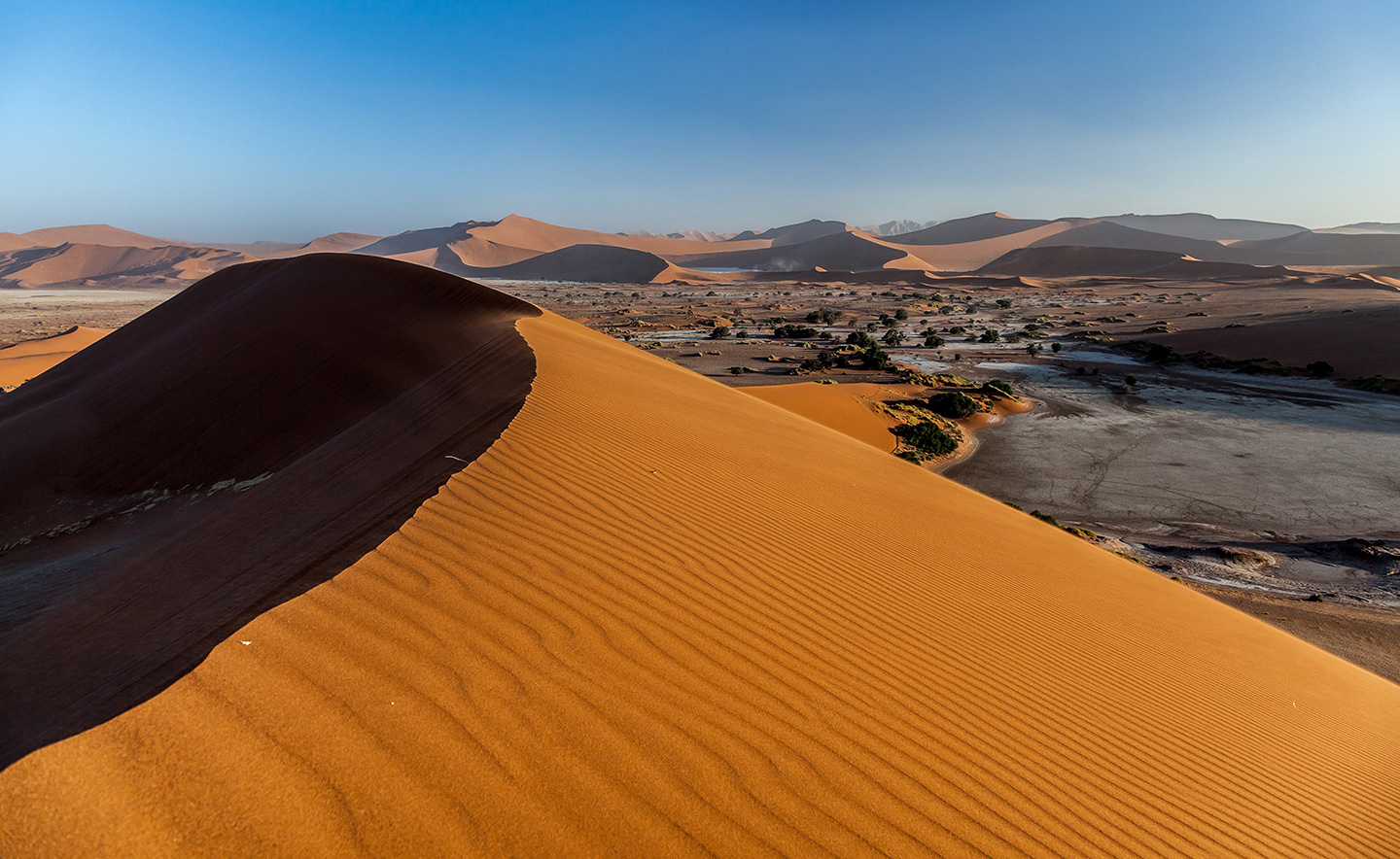
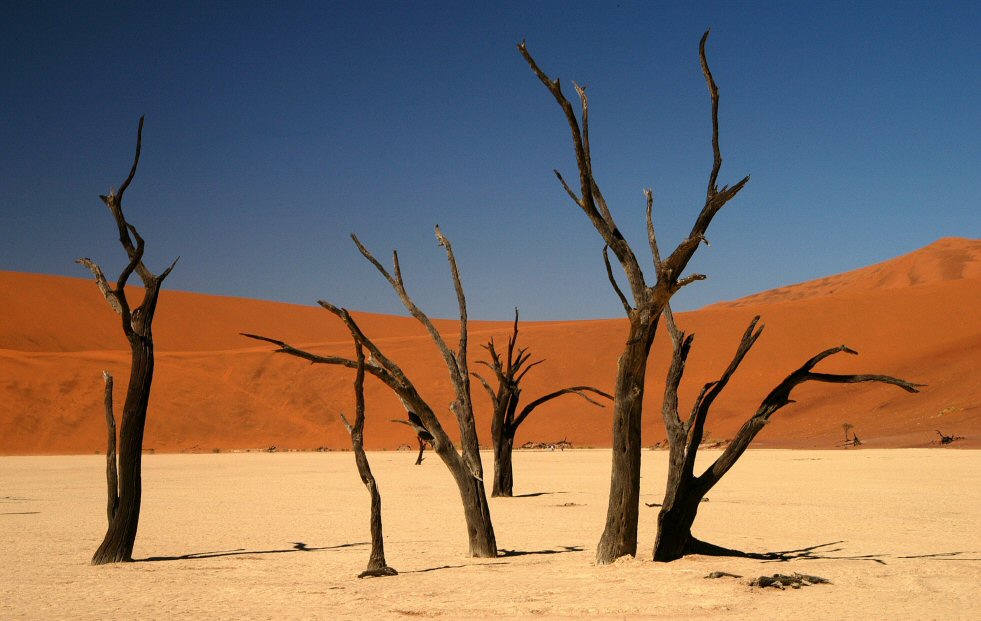
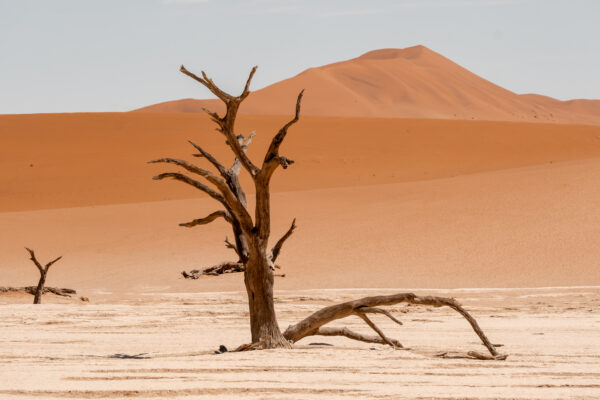
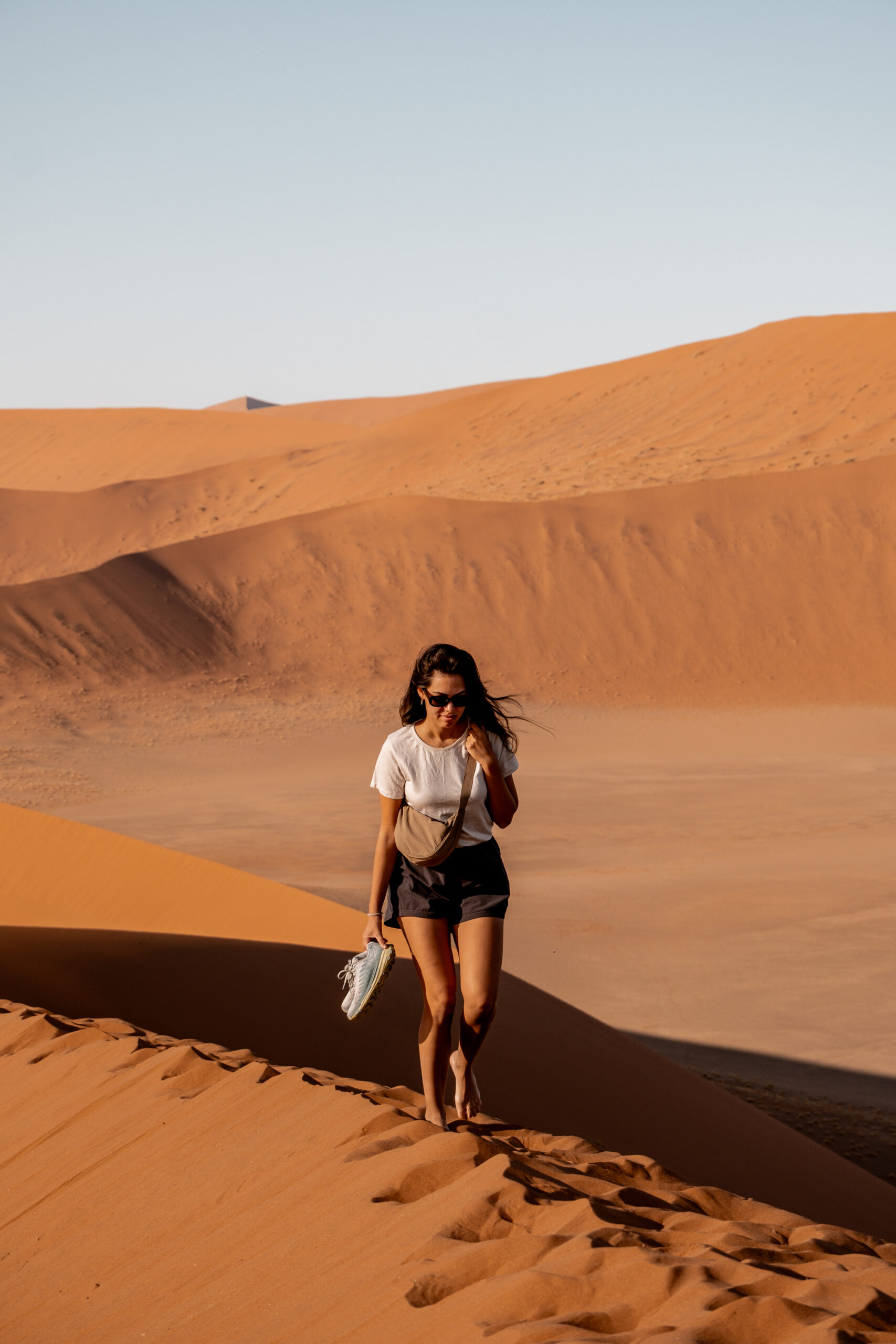
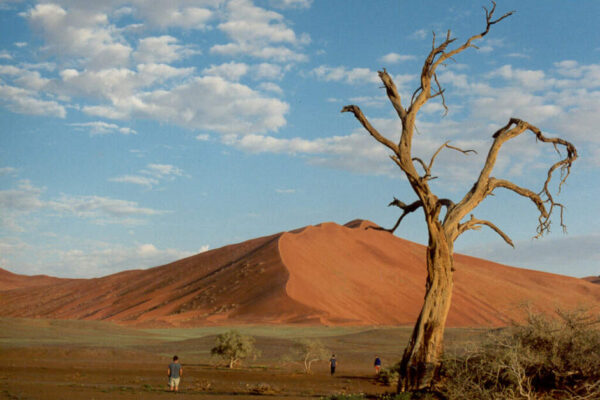
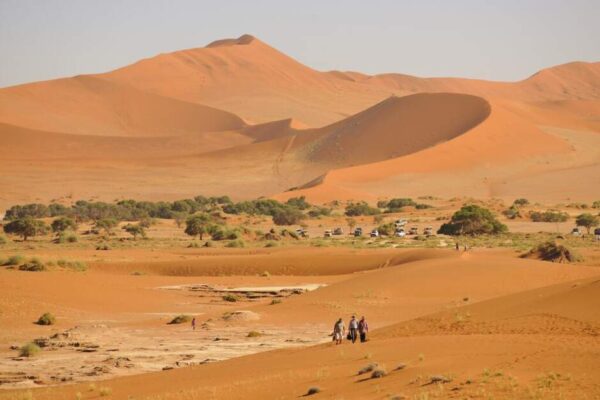
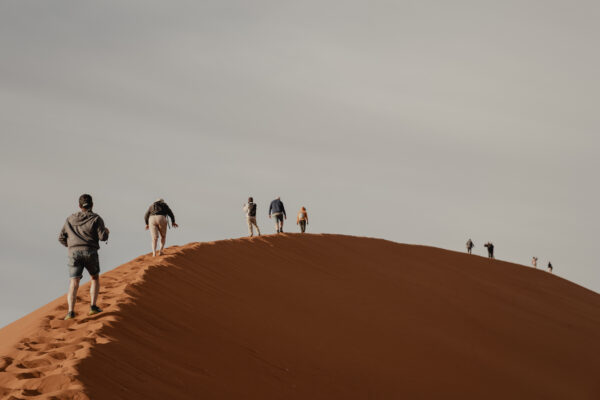
Sossusvlei, one of the world’s most remote and breathtaking destinations, is renowned for its iconic sweeping sand dunes and awe-inspiring sunsets. This salt and clay pan, surrounded by towering, vivid red dunes—some believed to be the tallest in the world—creates a striking visual contrast as the crimson sands meet the cobalt sky. Click to learn more...
Click to learn more...
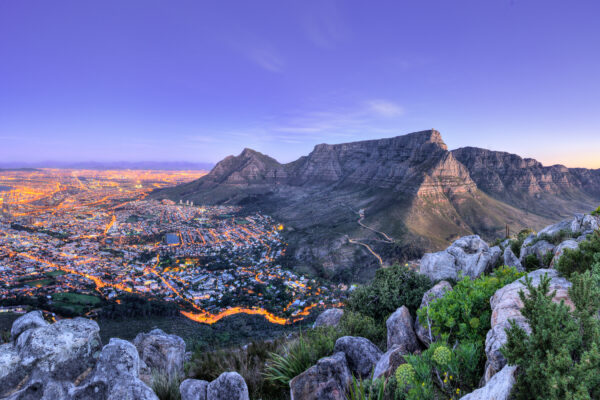
Our Namibia Journeys
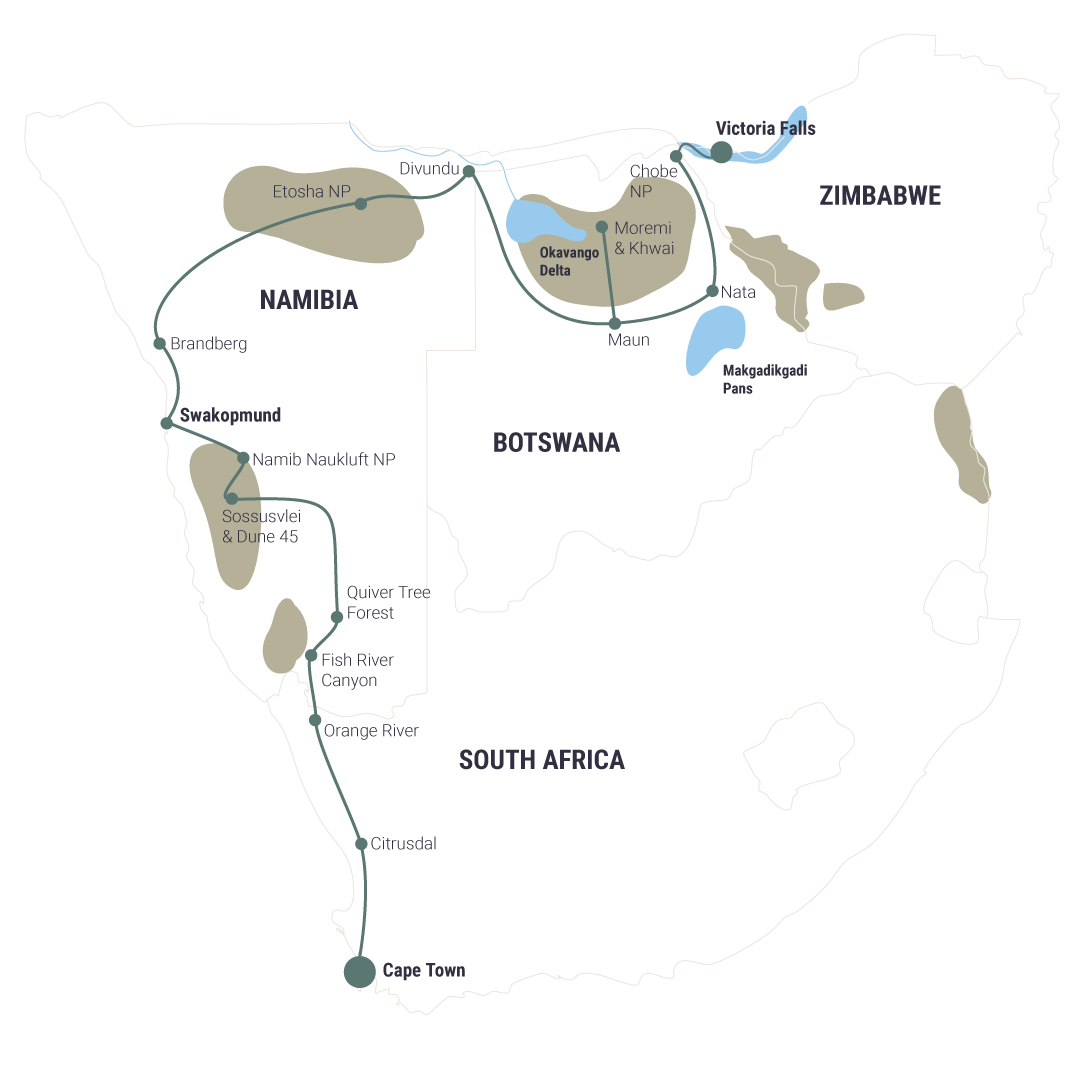
Cape Town to Victoria Falls - Comfort - 2026
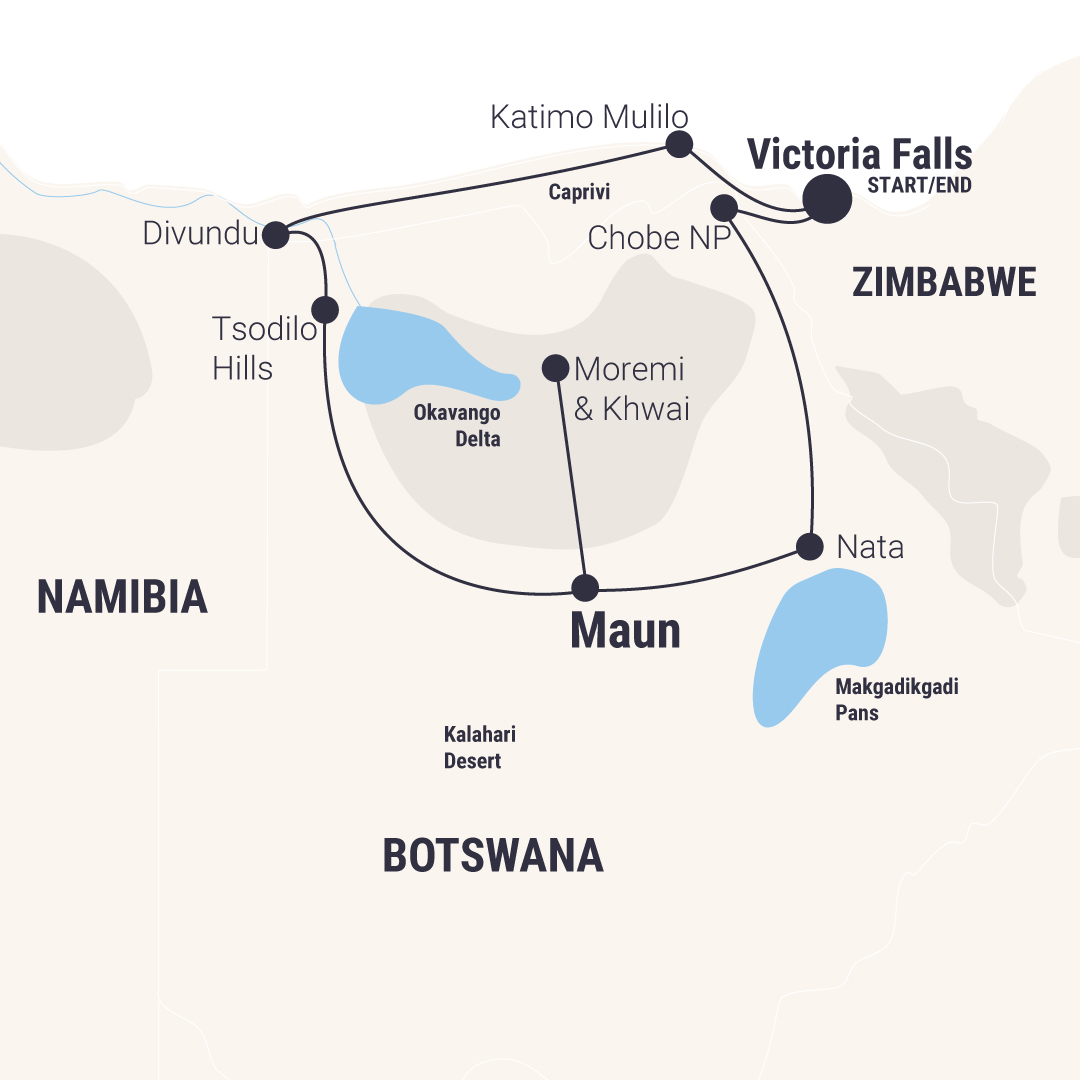
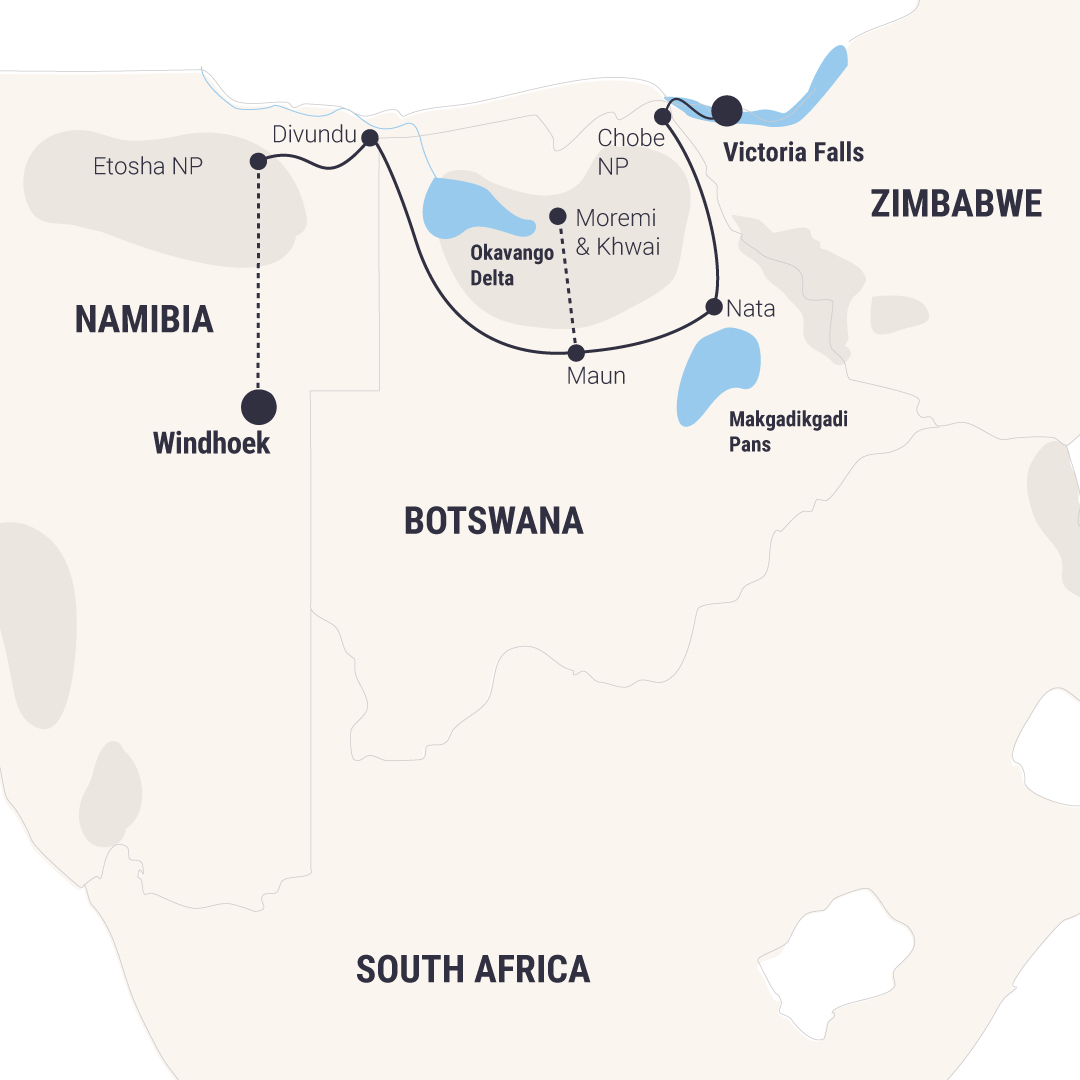
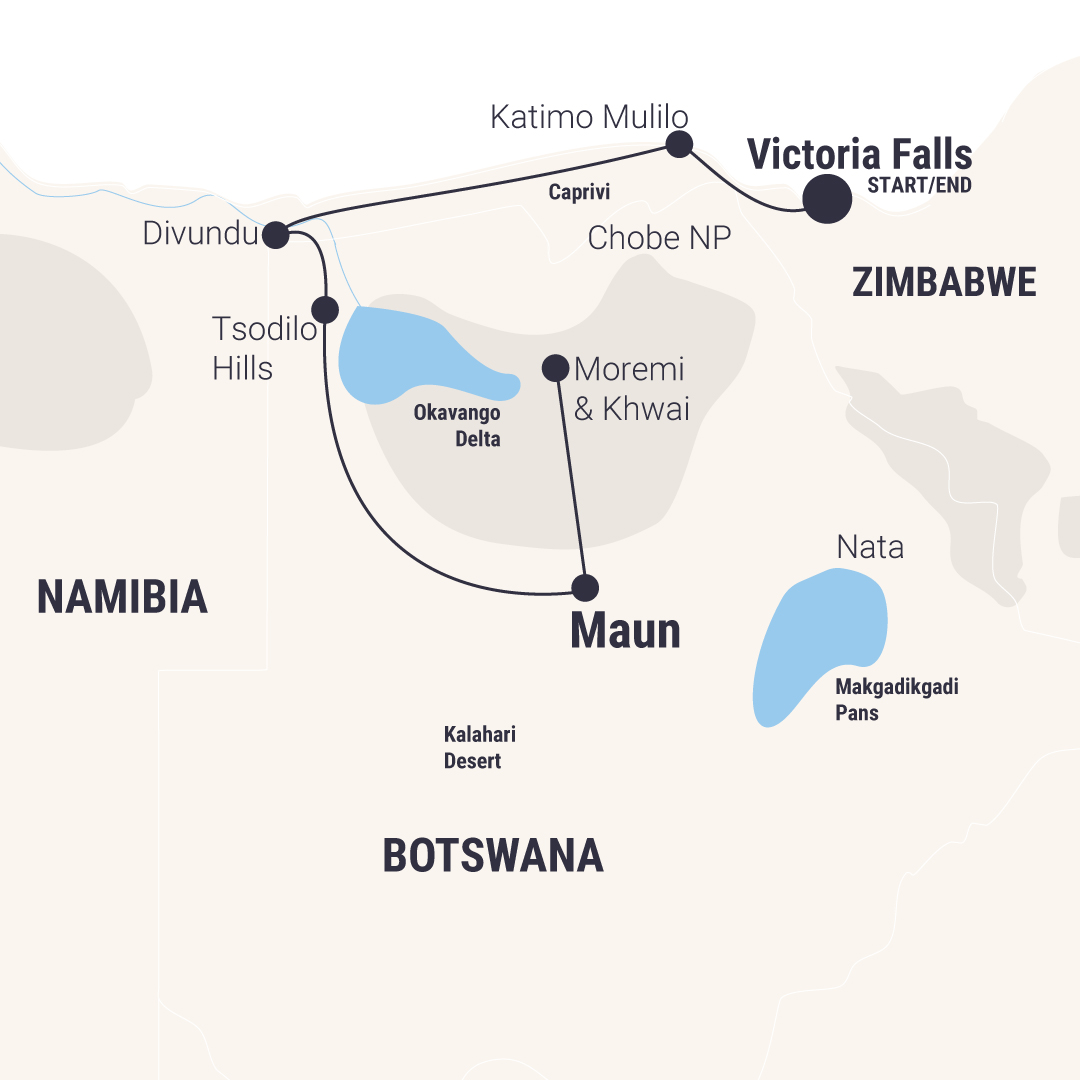
Etosha, Delta & Chobe Trail South - 2026
Namibia Quick Facts & FAQs
Electrical Plug
Population
Currency
Calling Code
The Namibian Ministry of Home Affairs, Immigration, Safety and Security has announced that nationals from 33 countries will require a visa to enter Namibia. This decision aims to promote fair and balanced diplomatic relations with countries that have not reciprocated the favourable treatment granted to their nationals when visiting Namibia.
Which other countries will be required to apply for a Visa on Arrival?
Argentina, Armenia, Australia, Austria, Azerbaijan, Belarus, Belgium, Bulgaria, Canada, Cambodia, Chile, Croatia, Czech Republic, Denmark, Ecuador, Estonia, Finland, France, Germany, Greece, Hungary, Iceland, Ireland, Israel, Italy, Kazakhstan, Kyrgyzstan, Latvia, Liechtenstein, Lithuania, Luxembourg, Mexico, Moldova, Netherlands, New Zealand, Nicaragua, Norway, Paraguay, Peru, Poland, Portugal, Romania, Singapore, Slovakia, Spain, South Korea, Sweden, Switzerland, Tajikistan, Thailand, Turkey, Turkmenistan, Ukraine, United Arab Emirates, United Kingdom, United States of America, Uruguay, Uzbekistan, Vatican/Holy See, Venezuela, Vietnam.
How can visitors apply?
Visitors can apply online before arriving in Namibia via https://eservices.mhaiss.gov.na
OR
Applications can be completed on arrival at the following ports of entry:
Hosea Kutako International Airport, Ariamsvlei, Impalila, Katima Mulilo, Mohembo, Ngoma, Noordoewer, Oshikango, Oranjemund, Trans- Kalahari Border Posts, Walvis Bay Harbour and Walvis Bay International Airport.
What documentation is required for the new Visa on Arrival?
All applicants will need to submit the following:
- Valid passport (with at least 6 months validity + 3 blank pages)
- Completed visa application form
- Confirmation of accommodation (hotel reservation or invitation letter)
- Confirmation of sufficient funds
- Travel itinerary
- Travel/Medical Insurance
- Full birth certificate or parental consent letter if travelling with children
- Online visa on arrival applicants require a printed copy of the approved e-visa
No vaccines are mandatory for entry if you’re arriving from Europe or North America. However, Yellow Fever vaccination is required if you’re coming from or transiting through a country with risk of Yellow Fever transmission. Routine travel vaccines such as Hepatitis A, Typhoid, and Tetanus are recommended — consult your travel clinic or doctor before departure.
Tap water in most urban areas and lodges in Namibia is generally safe to drink, especially in Windhoek and major towns. That said, bottled water is widely available and preferred by many travelers, particularly in rural or remote areas.
Yes, Wi-Fi is available in most hotels, lodges, and cafes in cities and larger towns. However, once you’re in remote areas or national parks, internet access may be limited or unavailable — which is part of the charm of getting off-grid in Namibia!
Visa and MasterCard are widely accepted in towns, hotels, lodges, and most restaurants. That said, cash is still king in smaller towns, markets, and for fuel purchases in remote areas. ATMs are available in most urban centers.
Yes, you can. Namibia has good mobile coverage in towns and along major roads. Local SIM cards (like MTC or TN Mobile) are inexpensive and easy to purchase with a passport. International roaming can be costly, so a local SIM is usually a better option for longer stays or regular use.