MALAWI

The warm heart of Africa, where crystal clear lake water and beaches meet life and every smile feels like sunshine.

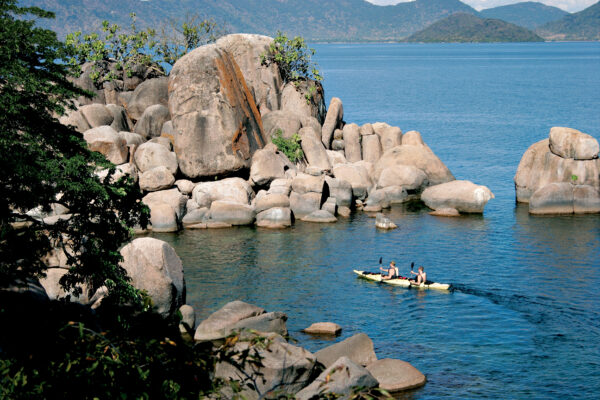
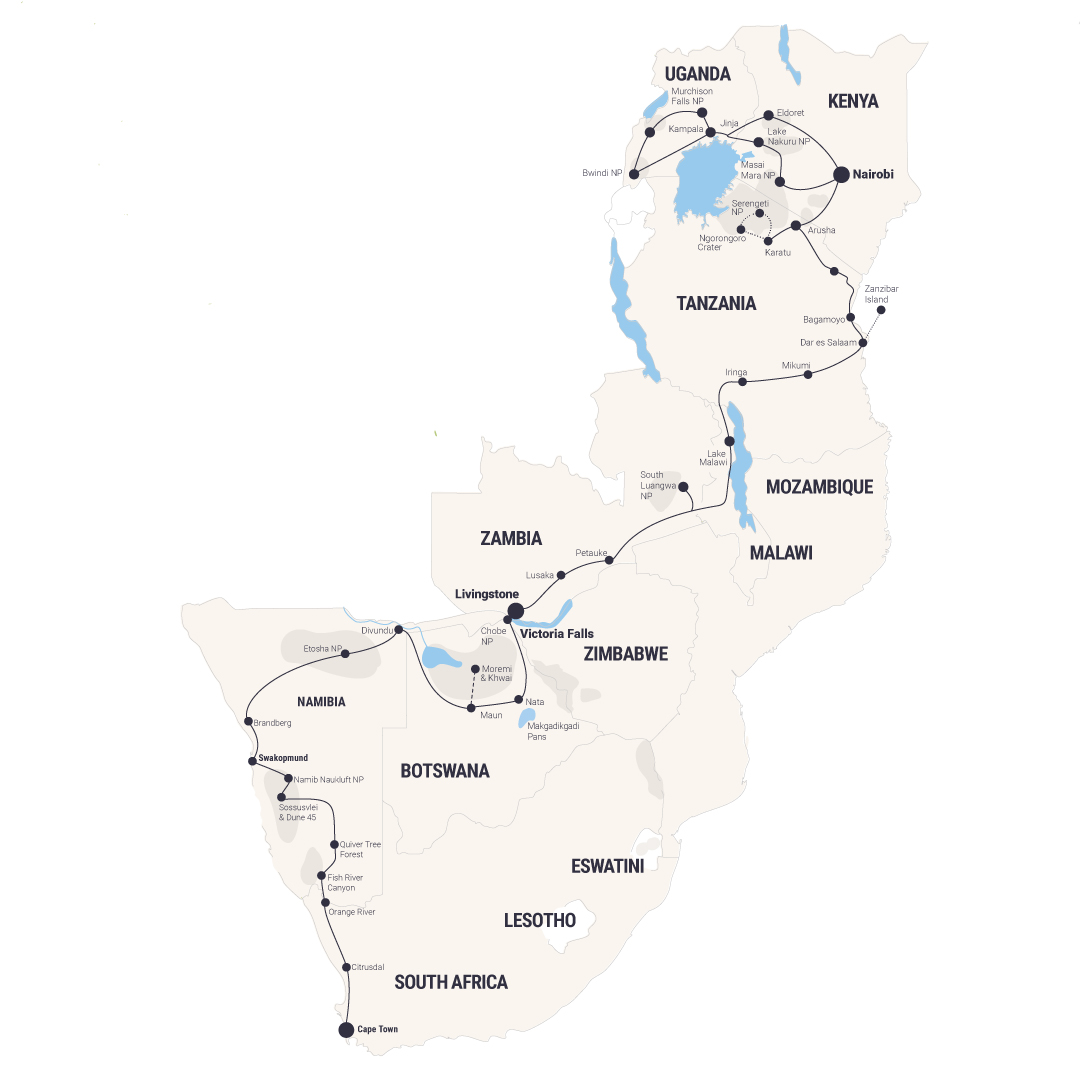
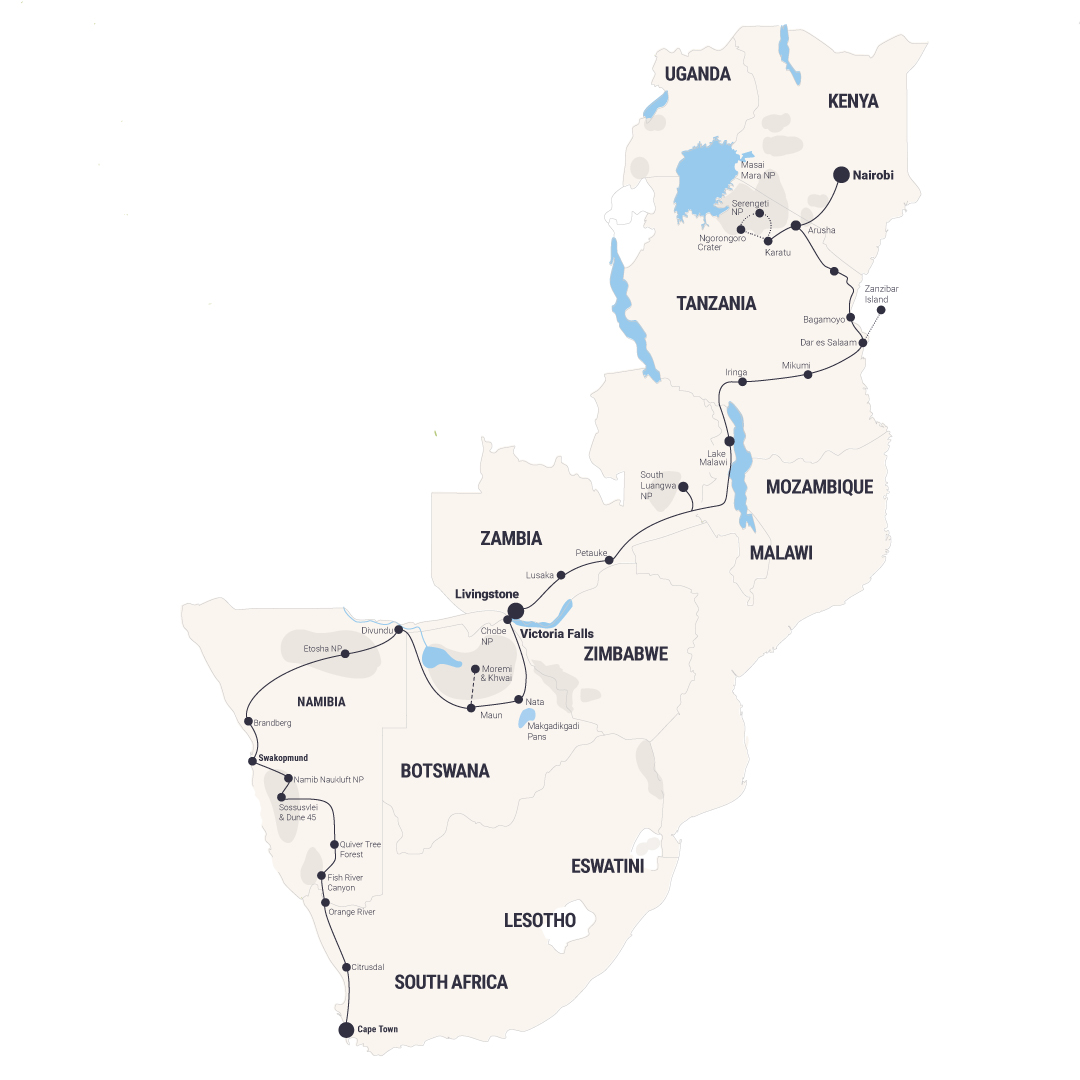
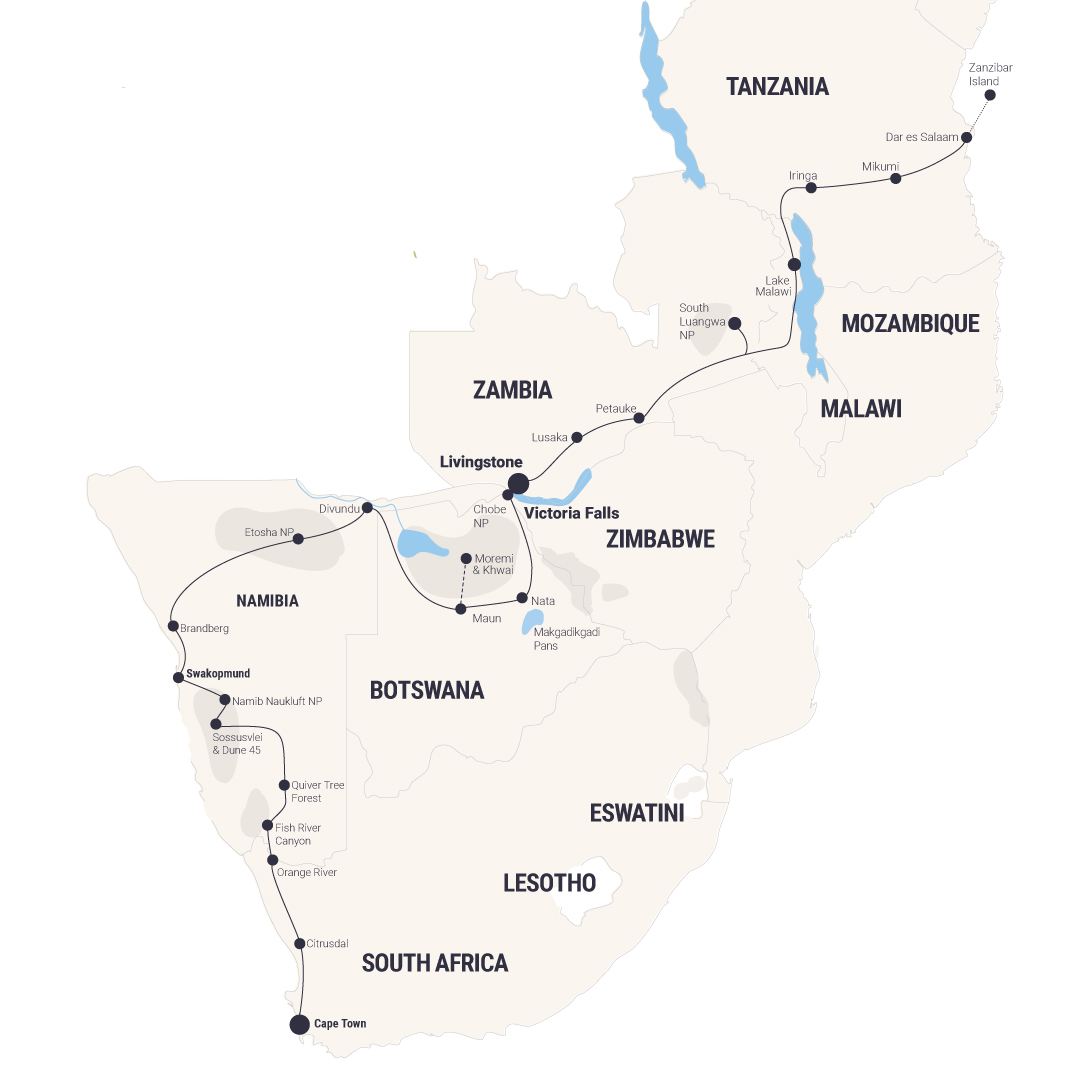
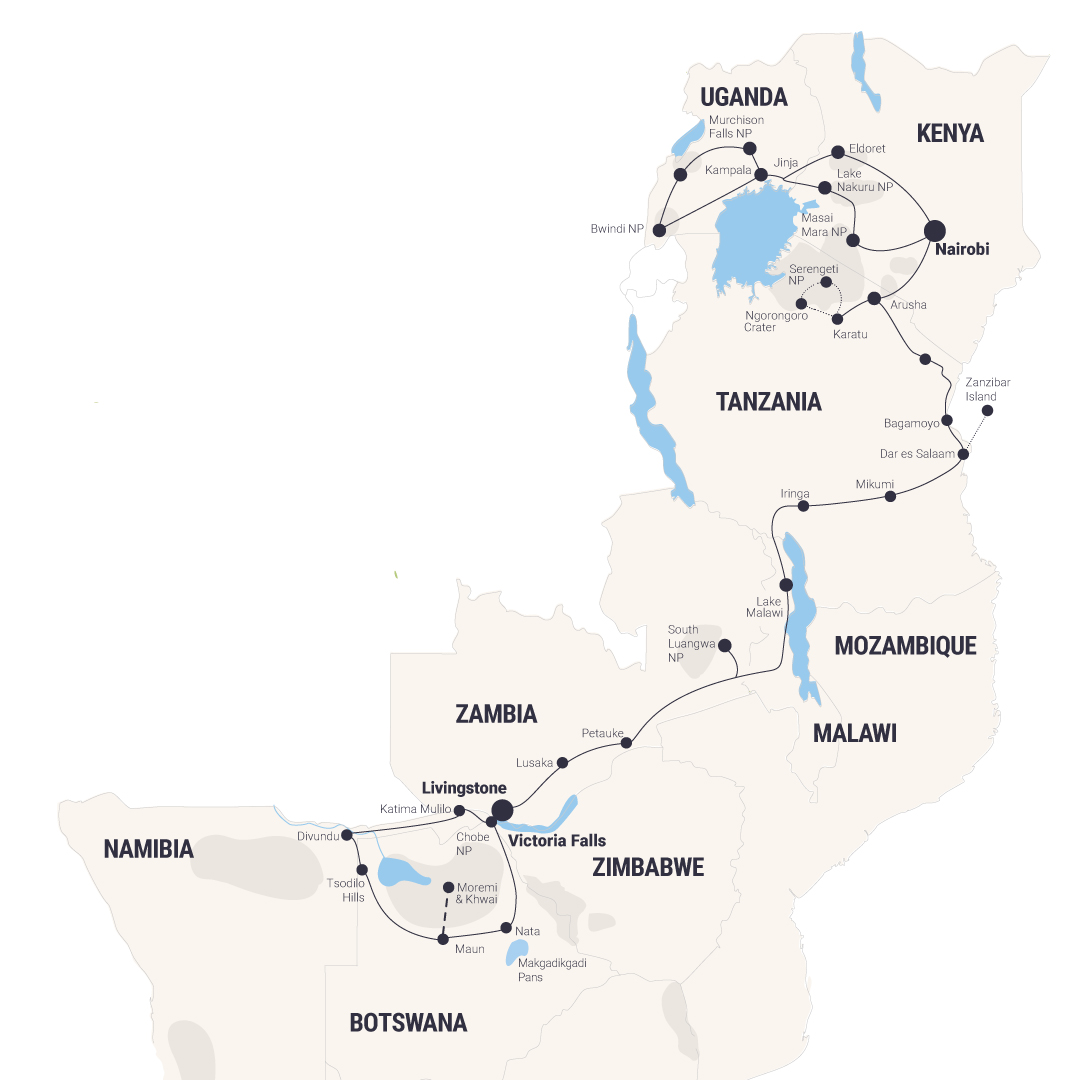
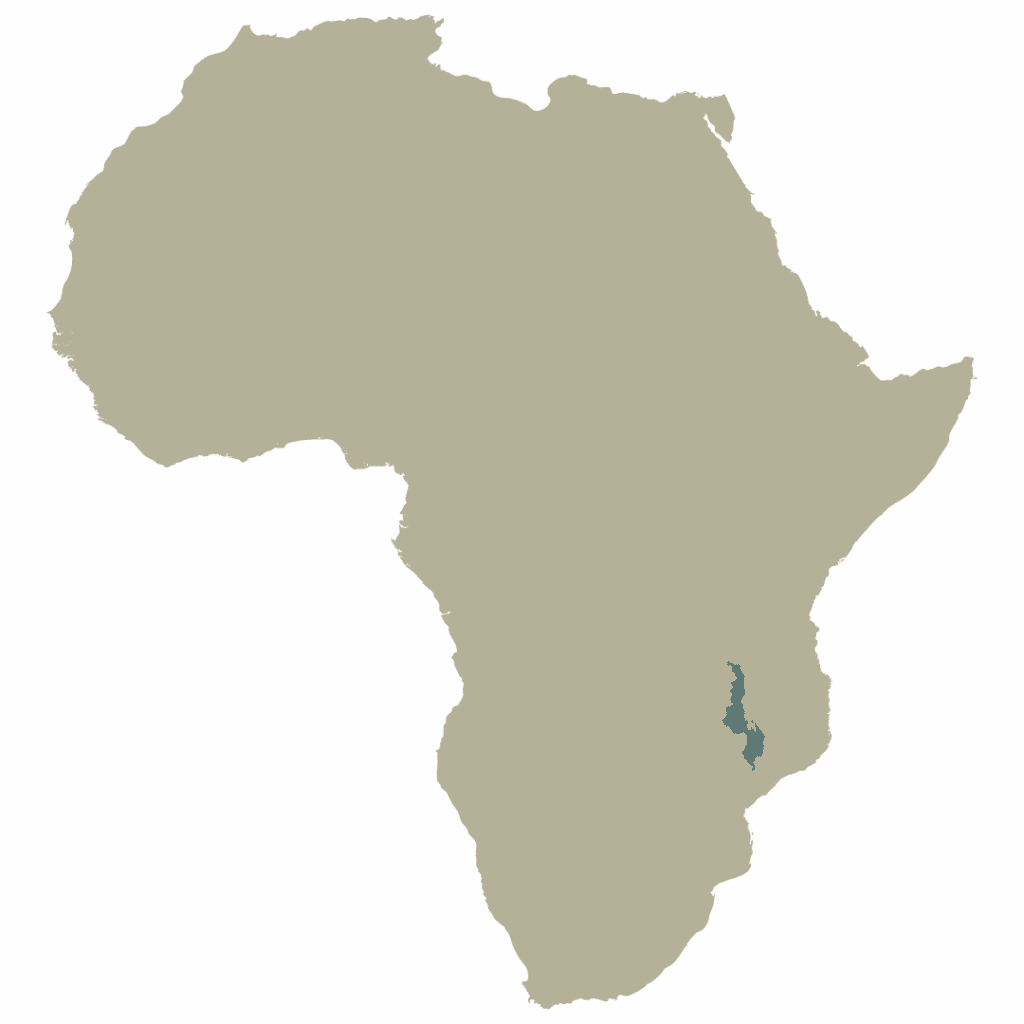
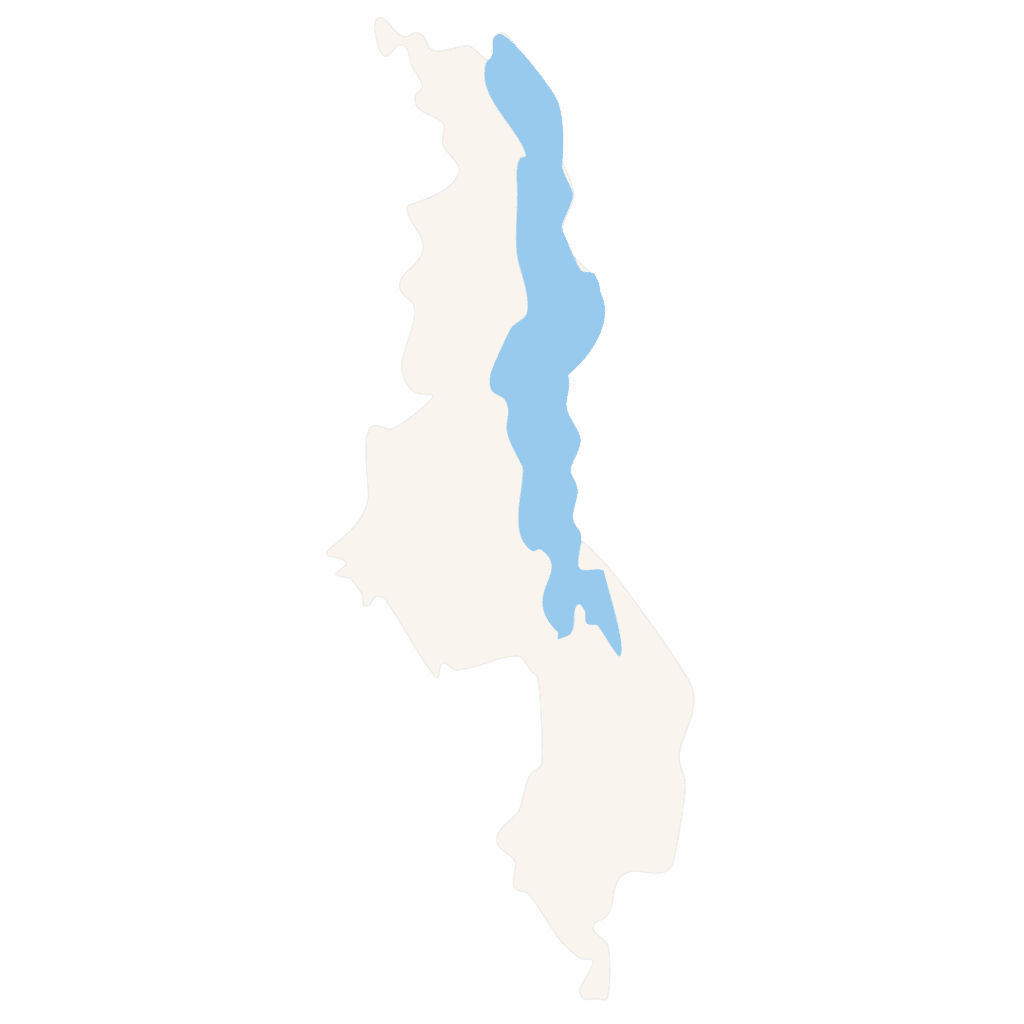
Malawi, a landlocked southeastern African country, features highlands divided by the Great Rift Valley and vast Lake Malawi. The lake’s southern end, within Lake Malawi National Park, hosts diverse wildlife like colorful fish and baboons. Cape Maclear’s clear waters and beach resorts make it a popular diving and boating destination.

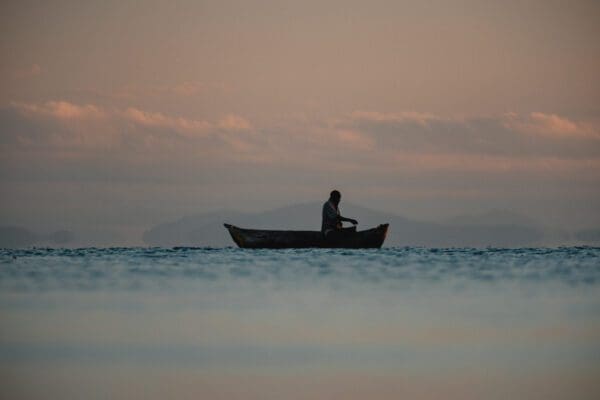
Malawi, known as the “Warm Heart of Africa,” is a landlocked country in southeastern Africa renowned for its stunning landscapes, vibrant culture, and abundant wildlife. Its defining feature is the Great Rift Valley, which cuts through the country, creating dramatic highlands and the iconic Lake Malawi. Stretching over 580 kilometers, Lake Malawi is Africa’s third-largest lake and a UNESCO World Heritage Site, celebrated for its crystal-clear waters and exceptional biodiversity.

Lake Malawi, often referred to as the “Lake of Stars,” is a haven for tourists seeking relaxation, adventure, and wildlife experiences. The lake is home to over 1,000 species of colorful cichlid fish, many of which are endemic, making it a paradise for snorkeling and diving enthusiasts. At the southern end lies Lake Malawi National Park, a protected area that shelters both aquatic life and land animals, including baboons, hippos, and a variety of bird species.

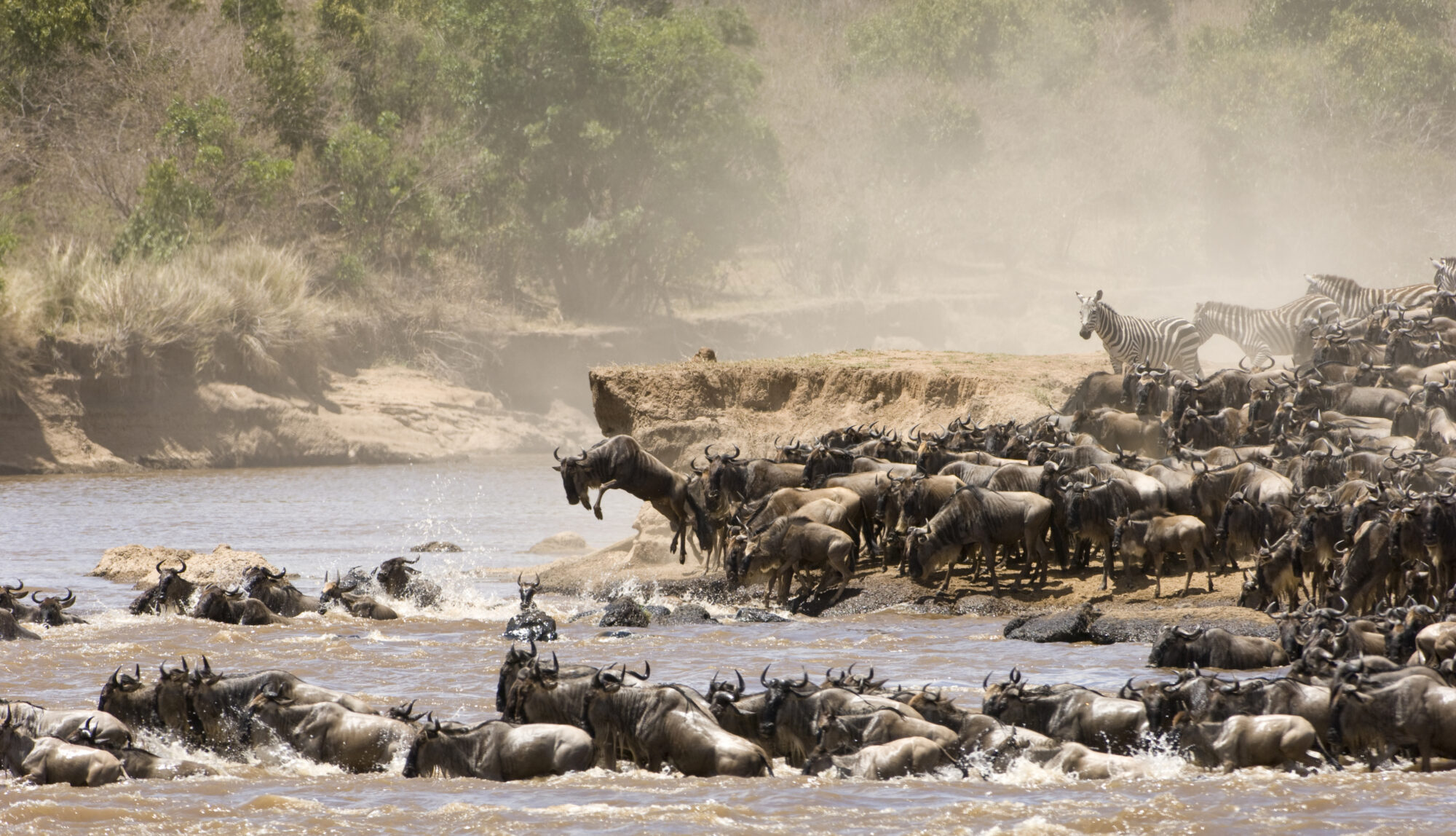
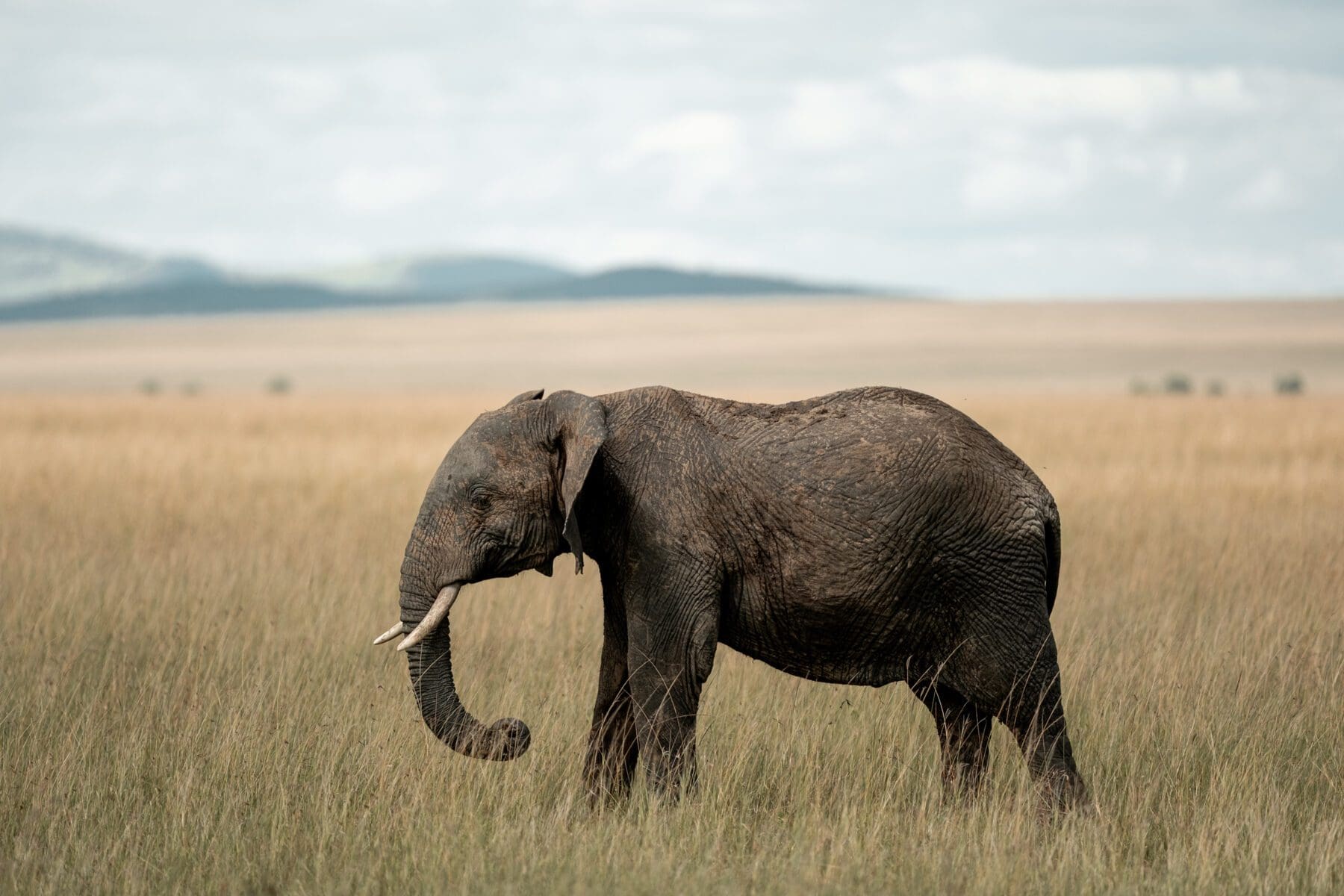
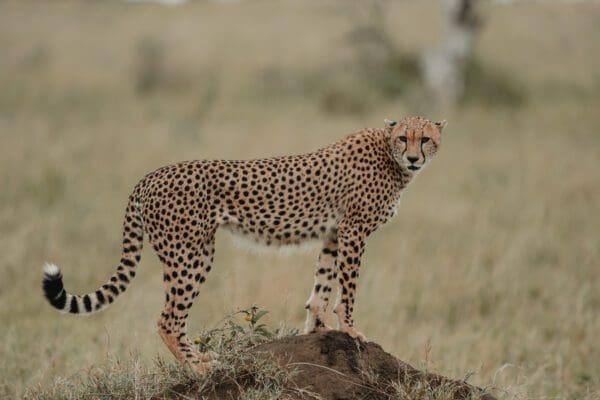
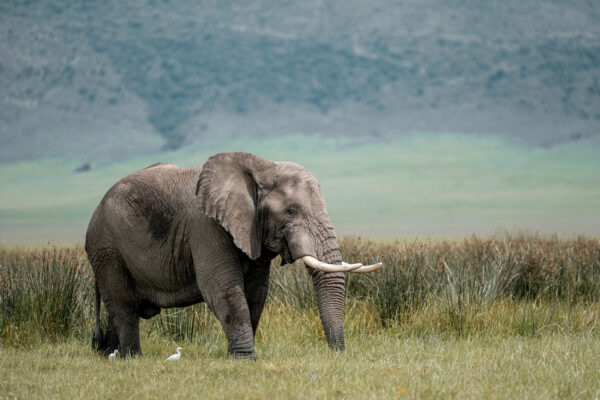
Tourism in Malawi is further enriched by attractions such as Cape Maclear, a popular resort destination offering golden beaches, water sports, and serene lake views. Beyond the lake, Malawi’s diverse wildlife can be explored in reserves like Majete Wildlife Reserve and Liwonde National Park, where elephants, rhinos, lions, and diverse birdlife thrive.

With its warm hospitality, scenic beauty, and rich natural heritage, Malawi is an ideal destination for eco-tourism, adventure travel, and tranquil getaways.

Lake Malawi

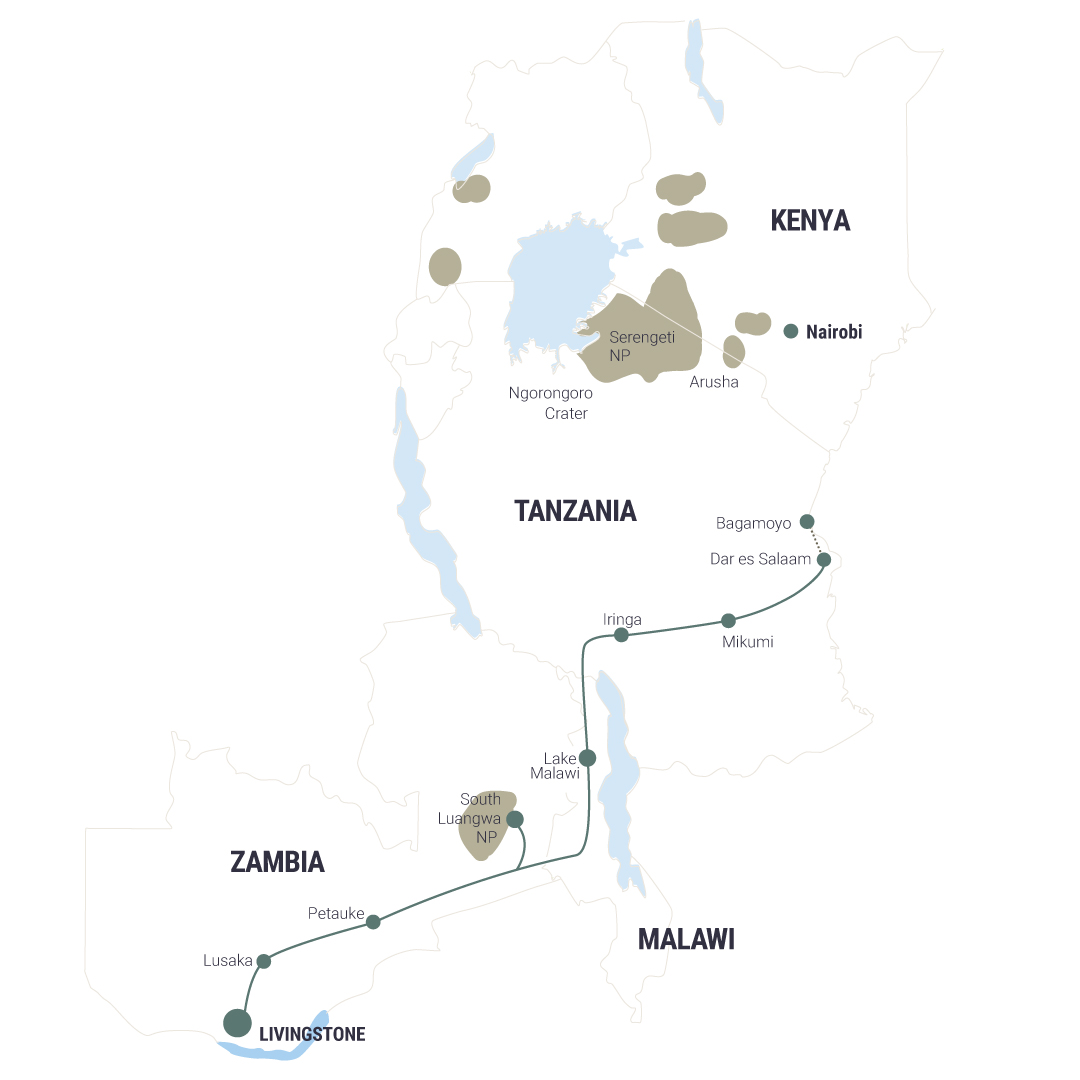
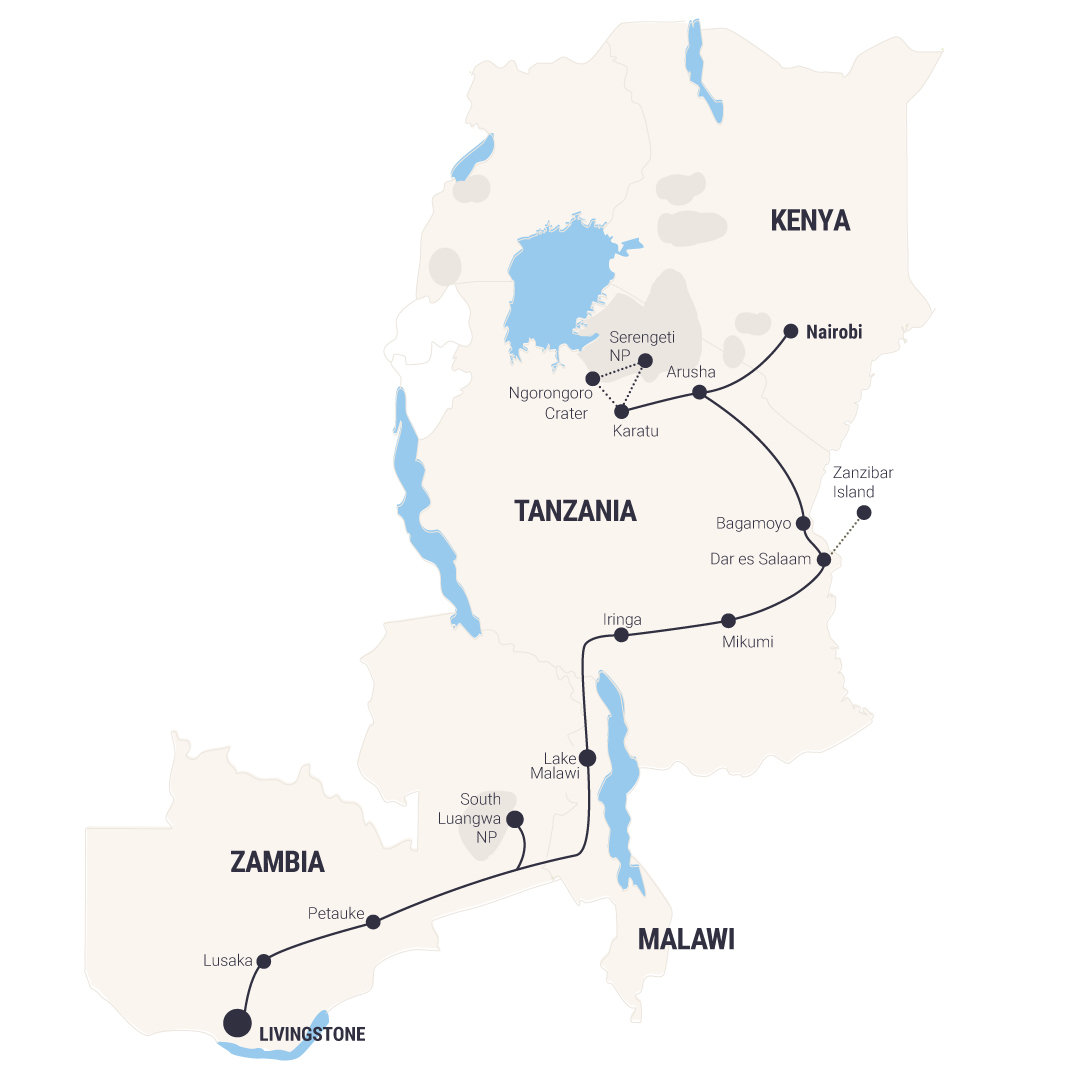
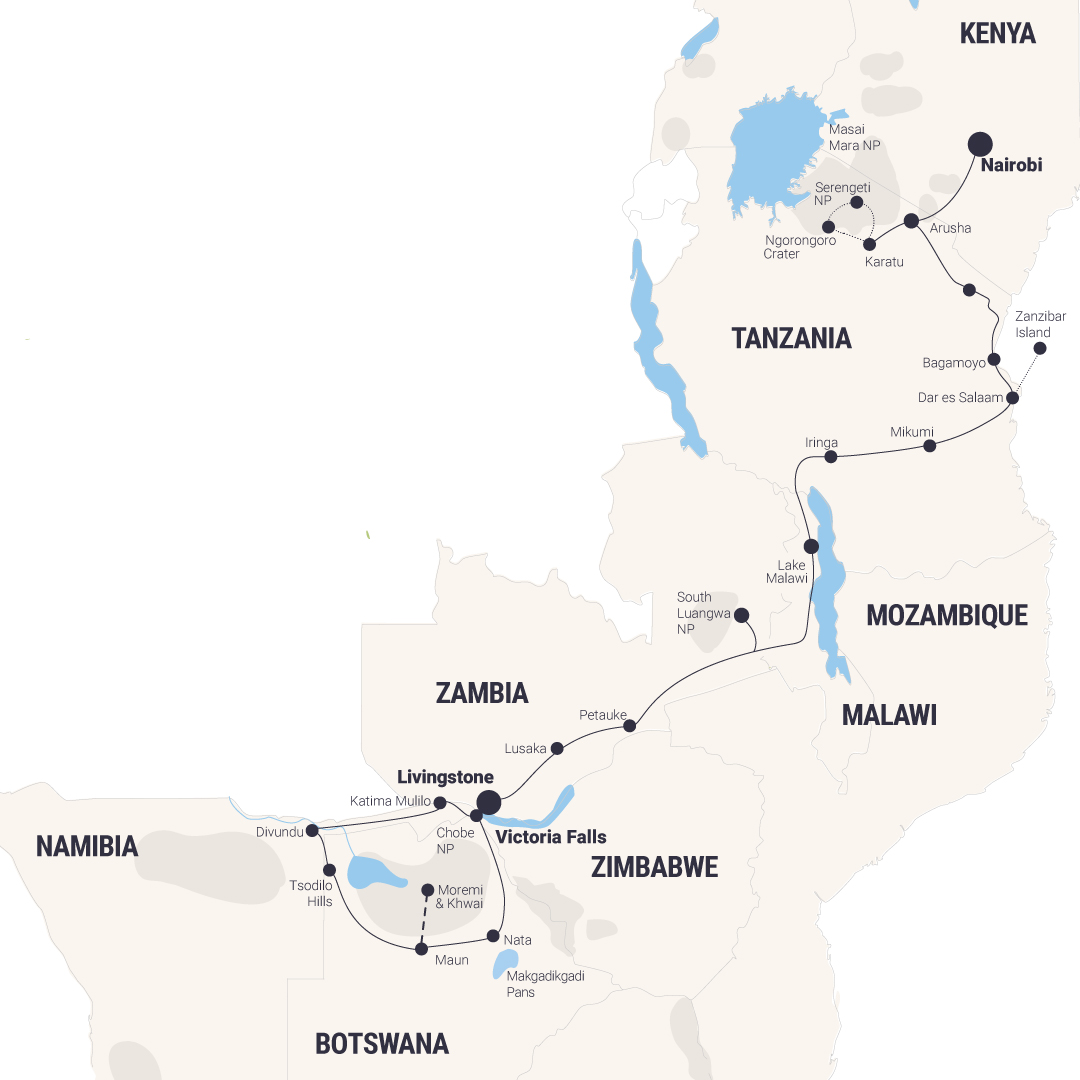
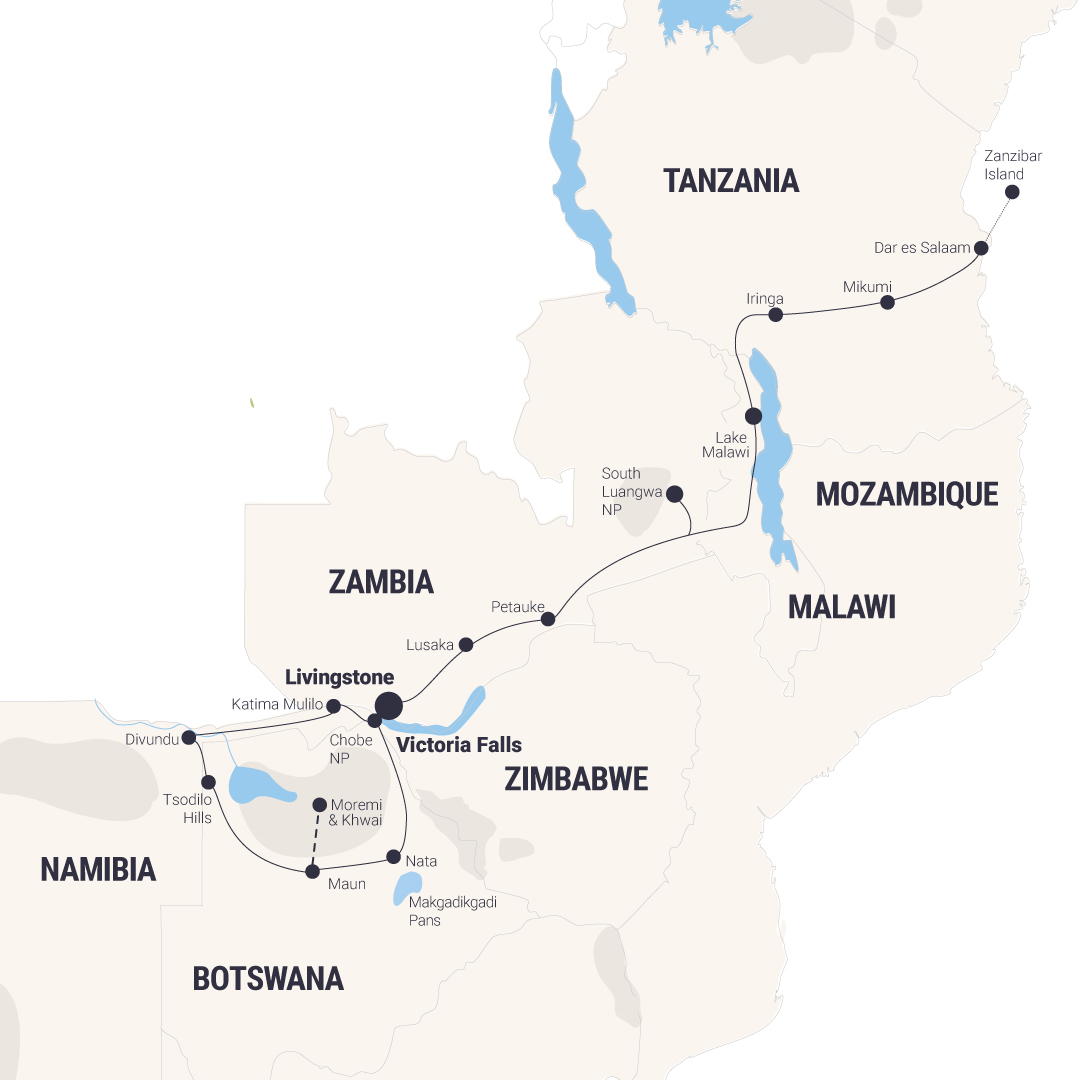
Our Malawi Journeys

Malawi Quick Facts

Area

118,484 km2

Capital

Lilongwe

Languages

English, Chewa

Time Zone

(GMT+02:00) Windhoek

Electrical Plug

Type D (Old British 3-pin) Type G

Population

Est. 21,240,689

Currency

Malawian Kwacha

Yes — most travellers from Europe, the USA, and Canada require a visa to enter Malawi.
You can obtain a visa on arrival at major airports and land borders, or apply online in advance through the Malawi eVisa portal.
Tourist visas typically allow stays of up to 30 days, and extensions are possible. Your passport must be valid for at least 6 months and have two blank pages.

A Yellow Fever certificate is only required if you are arriving from or transiting through a Yellow Fever–endemic country.
While no vaccines are mandatory if coming directly from Europe or North America, the following are highly recommended:
Hepatitis A, Typhoid, Tetanus, and Rabies (especially for those visiting rural areas or involved in outdoor activities).
Malaria is present throughout Malawi, including in and around Lake Malawi, so anti-malarial medication is strongly advised — speak to your doctor before travelling.

Tap water in Malawi is not considered safe for drinking. Stick to bottled or filtered water, which is widely available at lodges, hotels, and tourist stops.
Use bottled water for brushing your teeth and avoid ice in drinks unless you’re sure it’s from purified water.

Yes — Wi-Fi is available in most hotels, lodges, and guesthouses in cities like Lilongwe and Blantyre, as well as in some tourist areas along Lake Malawi.
However, internet speeds can be slow or unreliable, especially in remote regions. Consider purchasing a local SIM card with a data bundle if you want more consistent access while travelling.

Credit cards — mainly Visa and MasterCard — are accepted in some hotels, larger lodges, and a few restaurants.
That said, Malawi is still largely a cash-based economy, especially outside of major cities. The local currency is the Malawian Kwacha (MWK).
Bring enough cash for day-to-day expenses, and withdraw from ATMs in towns when available.

Yes — Malawi has mobile coverage in most towns and tourist regions, though it may be limited or unavailable in remote or rural areas.
You can purchase a local SIM card from providers like Airtel Malawi or TNM with your passport. SIM cards and data bundles are inexpensive and easy to set up. International roaming is available but can be costly, so a local SIM is the better option for most travellers.