RWANDA
Rwanda offers lush landscapes, rich culture, and unforgettable wildlife experiences. Trekking through misty forests to see endangered mountain gorillas is a once-in-a-lifetime highlight. Safe, clean, and welcoming, Rwanda blends natural beauty with modern charm—making it a rising star in African travel and ecotourism.
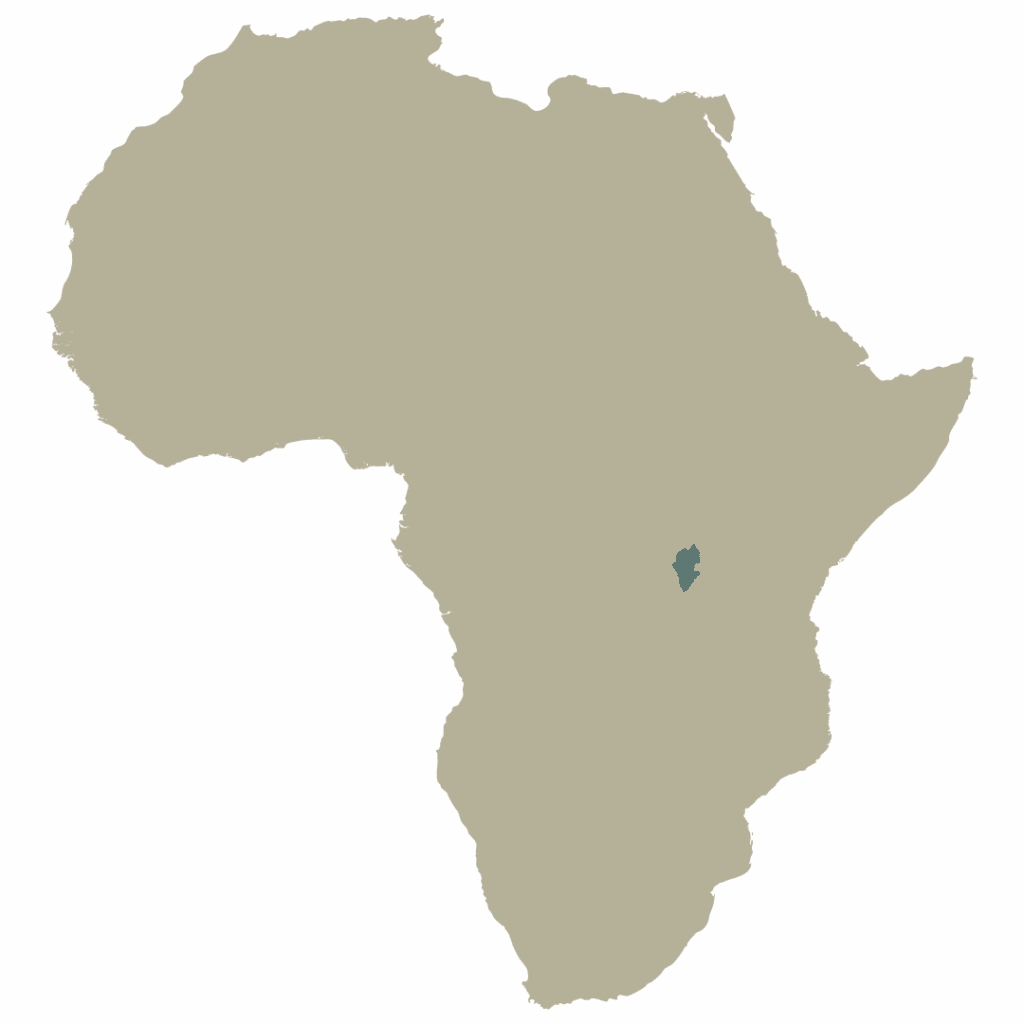
Rwanda, known as the “Land of a Thousand Hills,” is fast emerging as one of Africa’s premier eco-tourism destinations. Tucked in the heart of East Africa, this small yet captivating country offers breathtaking scenery, remarkable biodiversity, a progressive conservation model, and some of the warmest hospitality on the continent.
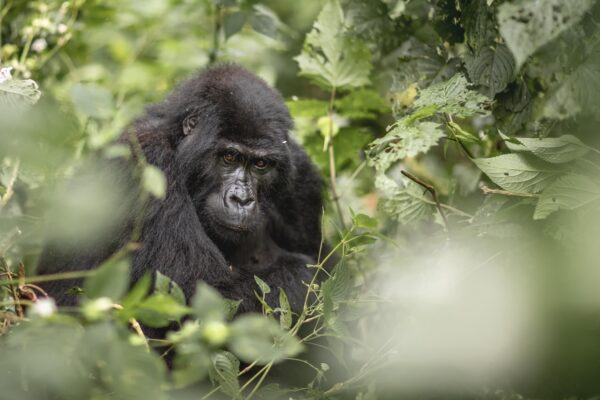
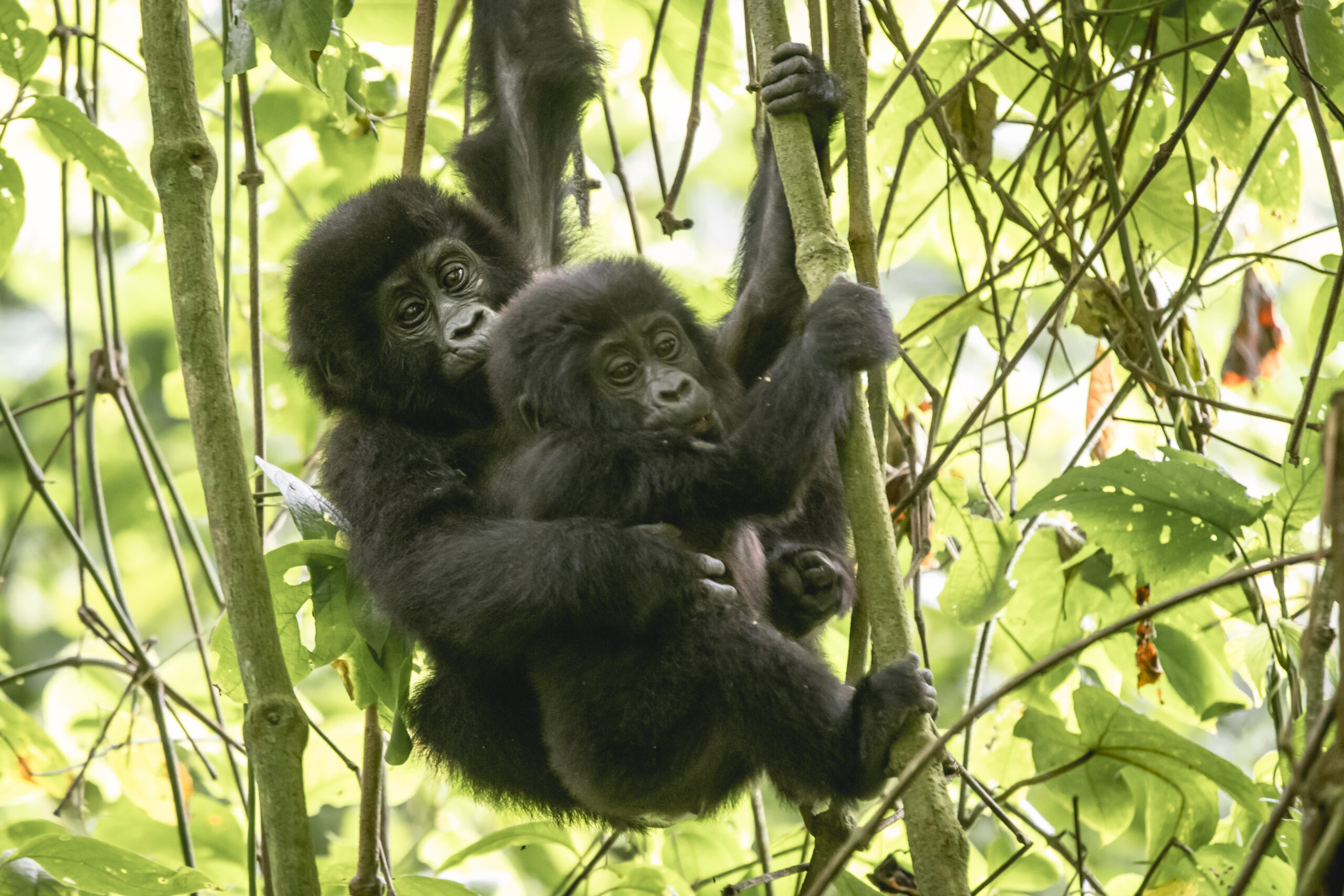
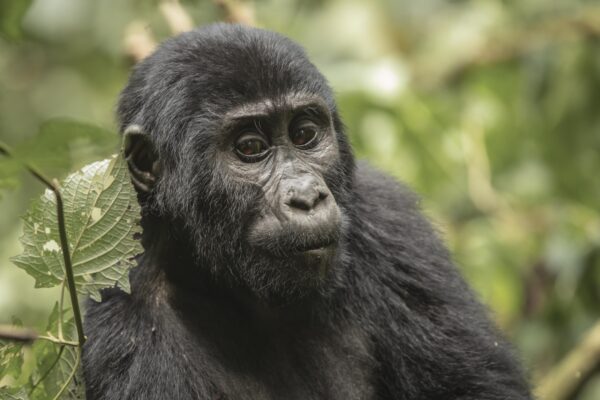
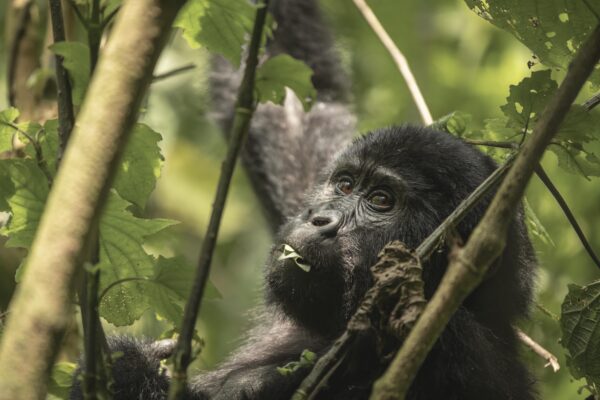
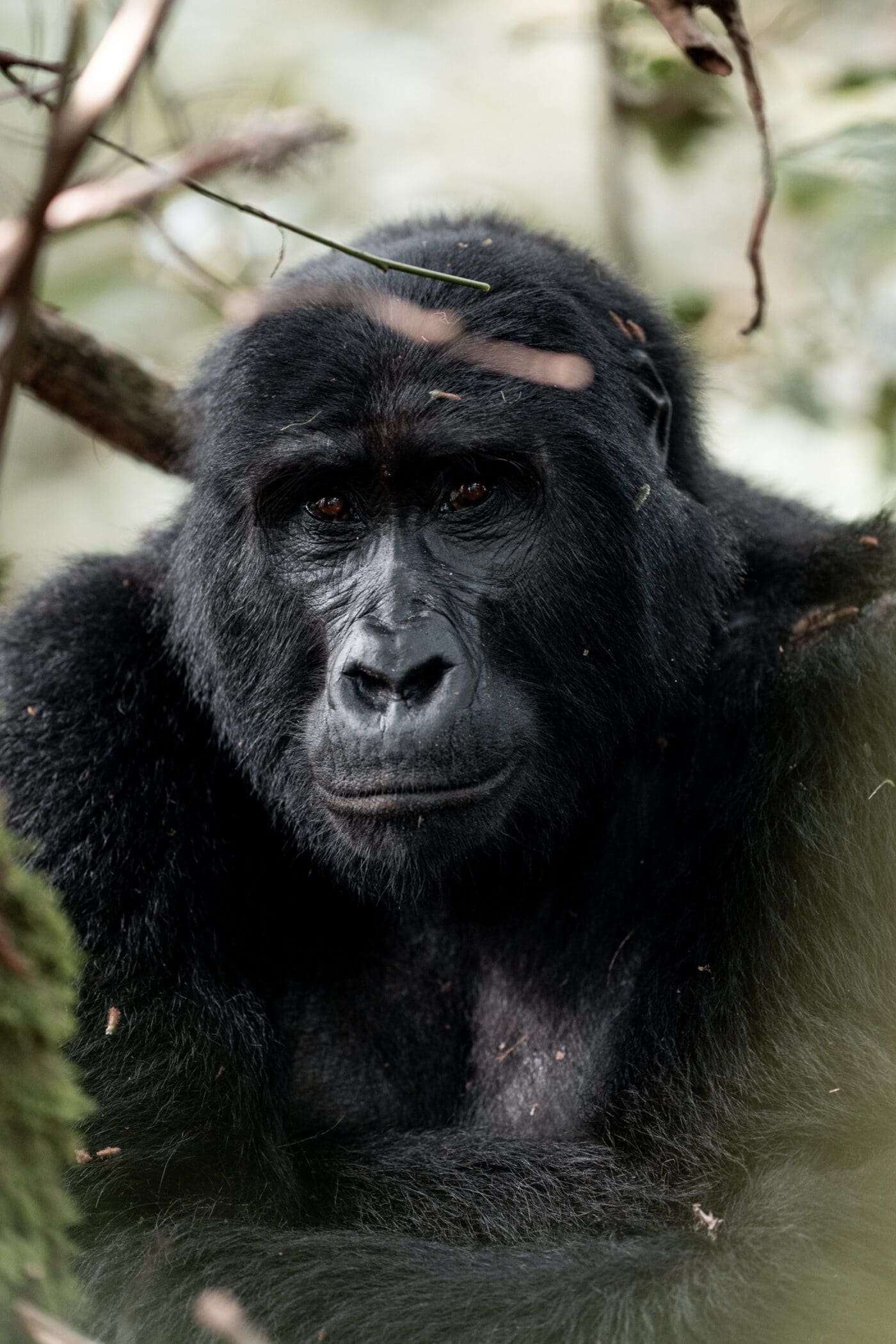
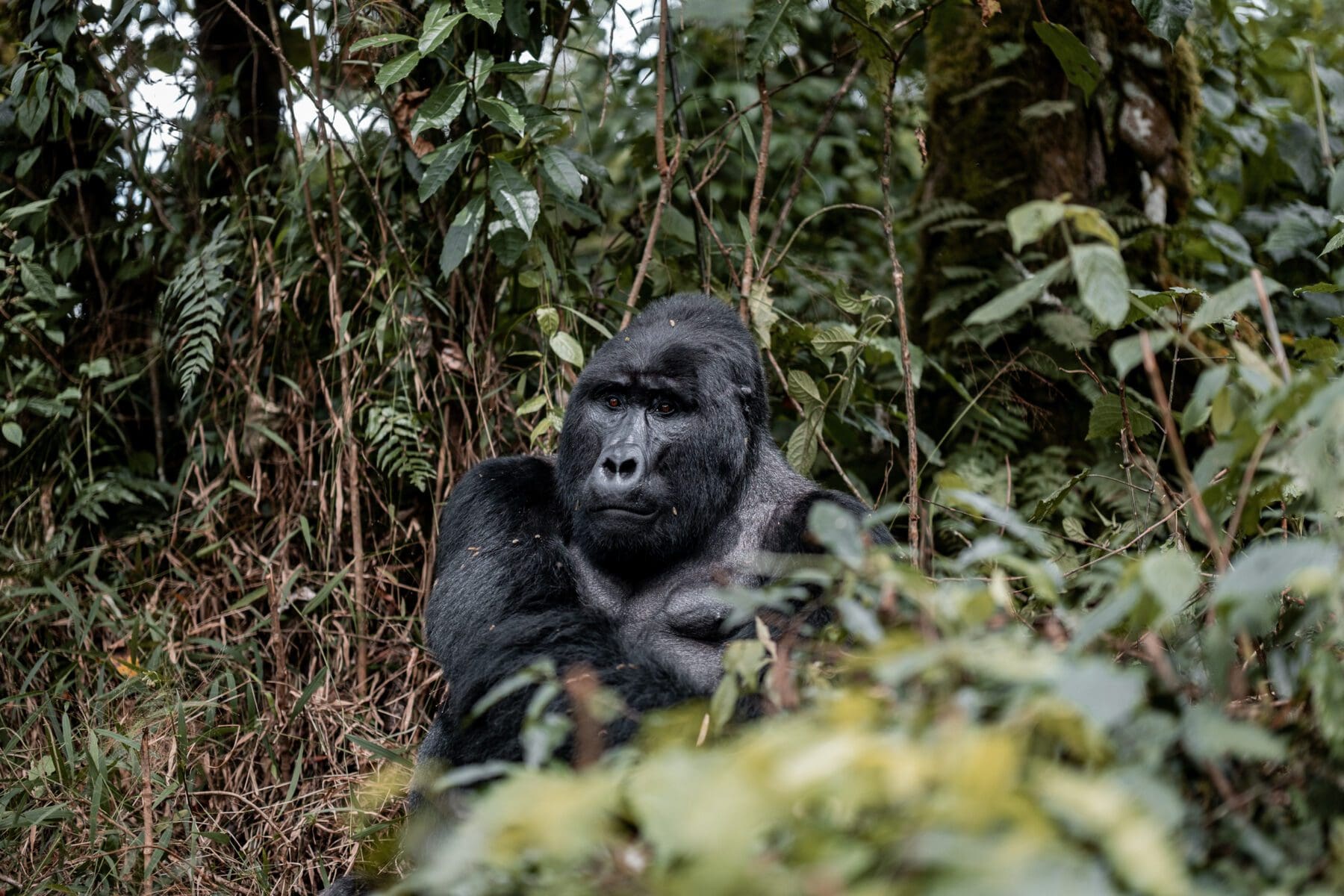
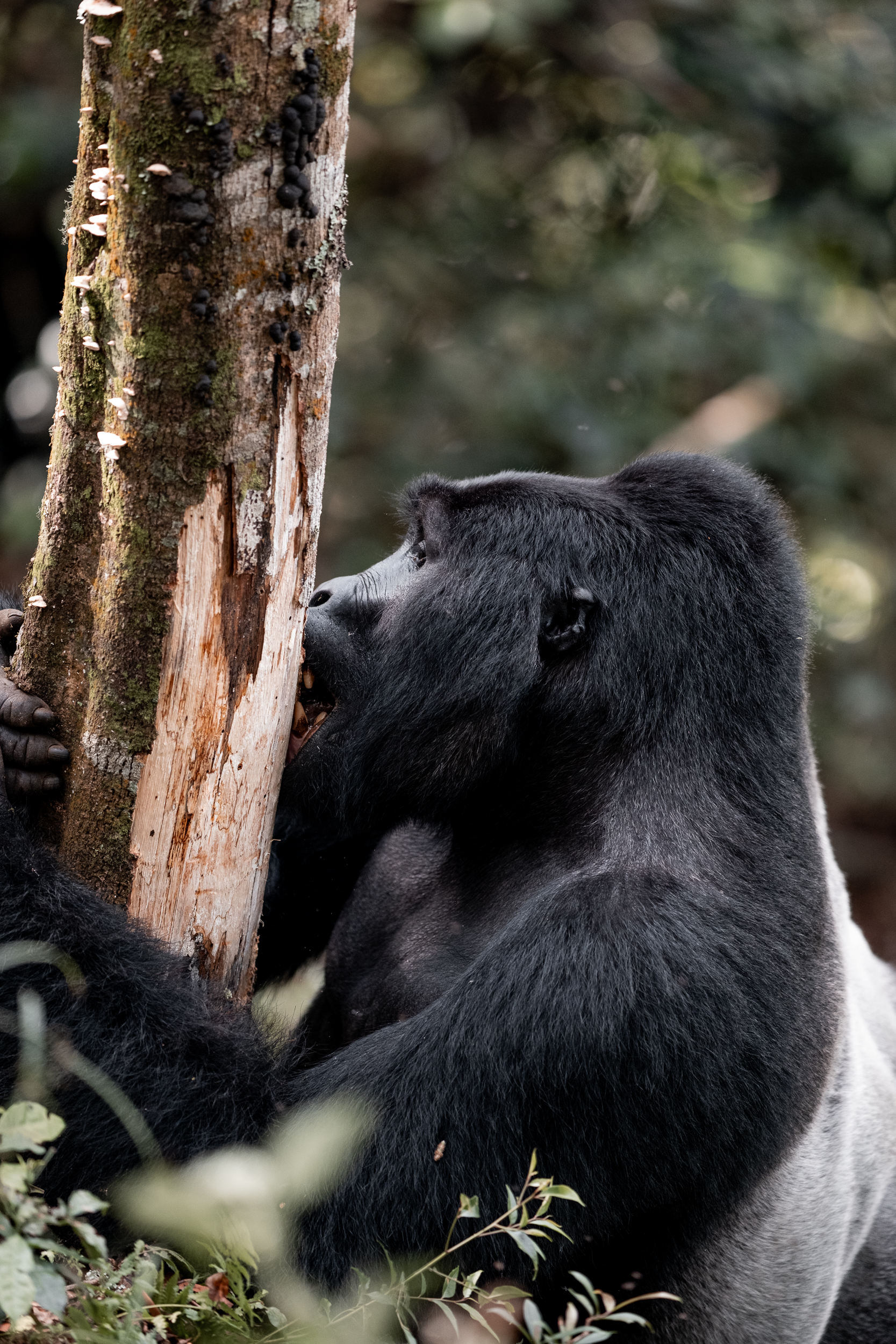
At the heart of Rwanda’s tourism appeal is the once-in-a-lifetime experience of trekking to see the endangered mountain gorillas in Volcanoes National Park. Home to over one-third of the world’s remaining mountain gorillas, the park offers strictly regulated and sustainable trekking experiences that directly benefit conservation and local communities. Revenues from trekking permits (which are among the highest in Africa) go towards habitat protection, anti-poaching patrols, scientific research, and most importantly—community upliftment, with 10% of all tourism revenues shared with local people.
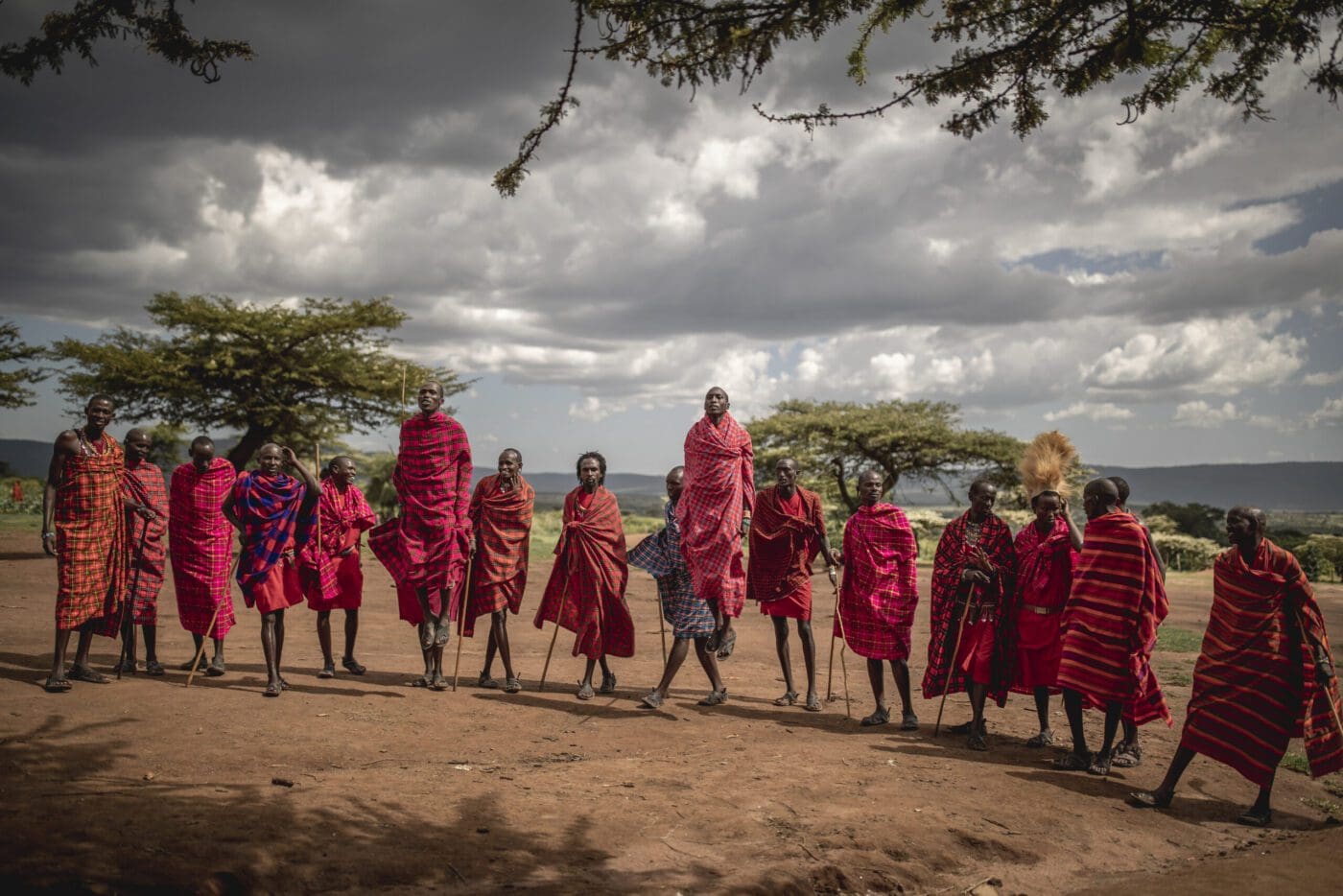
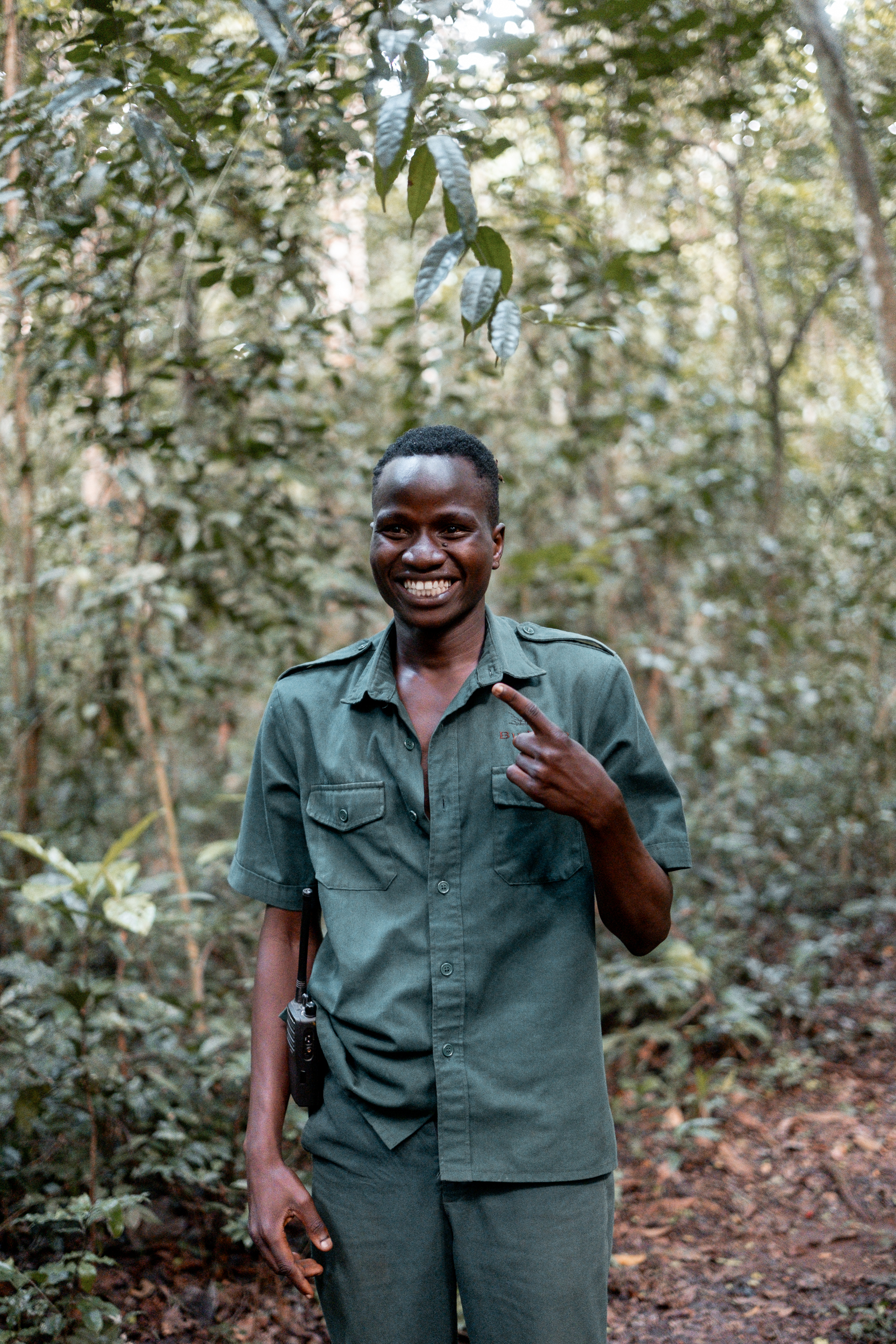
The Rwandan people are central to the country’s transformation story. Following the 1994 genocide, Rwanda has rebuilt with a spirit of unity, peace, and resilience. Today, visitors are struck not only by the cleanliness and safety of the country but by the friendliness and pride of its citizens. Cultural tourism is encouraged through village visits, craft cooperatives, and home-grown experiences.
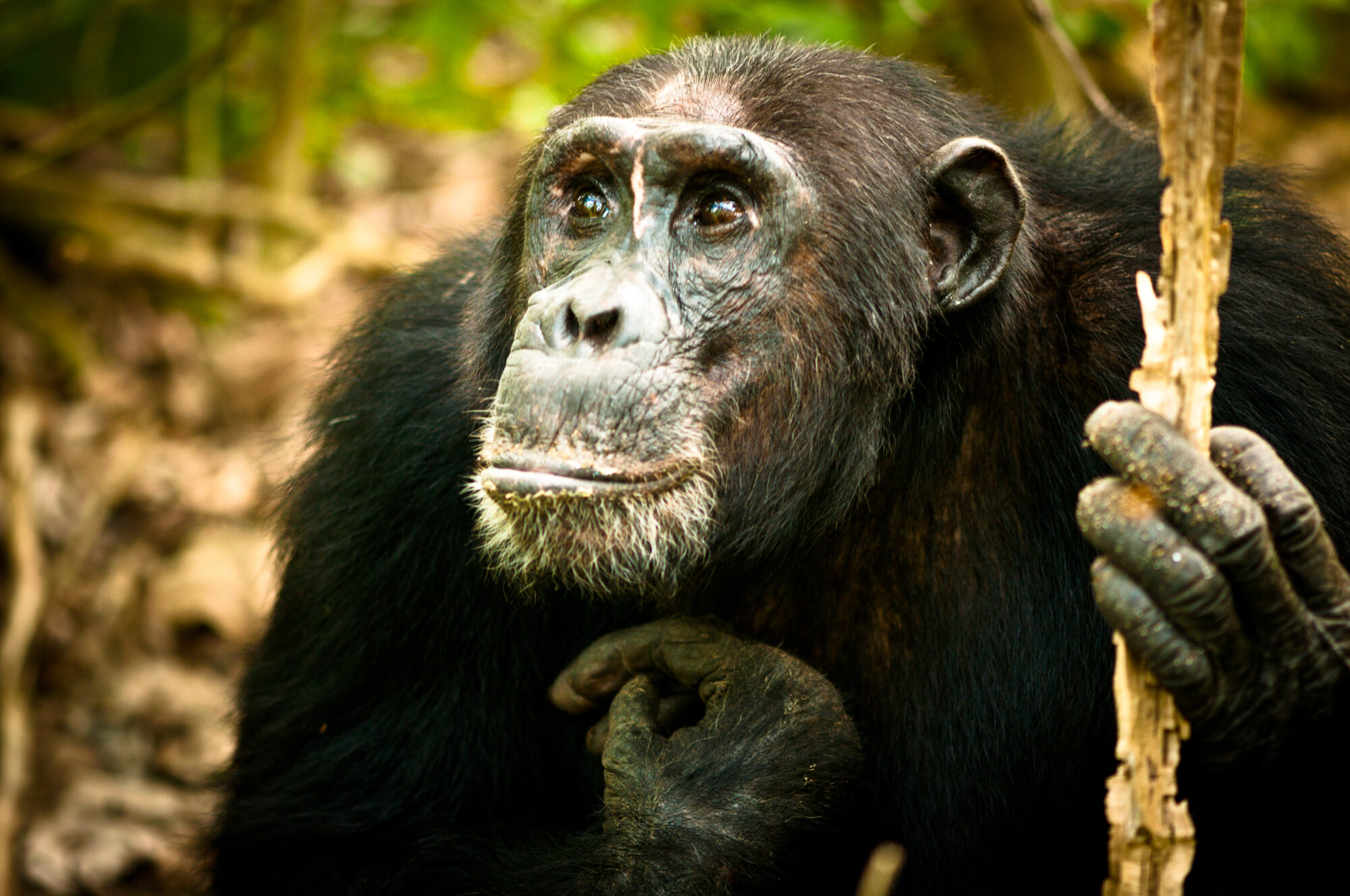
Beyond gorilla trekking, Rwanda offers a range of eco-conscious adventures. Nyungwe Forest National Park, one of Africa’s oldest rainforests, teems with biodiversity and is home to 13 primate species, including chimpanzees. Visitors can walk among the treetops on the famous canopy walk, hike lush trails, and discover rare flora and fauna.
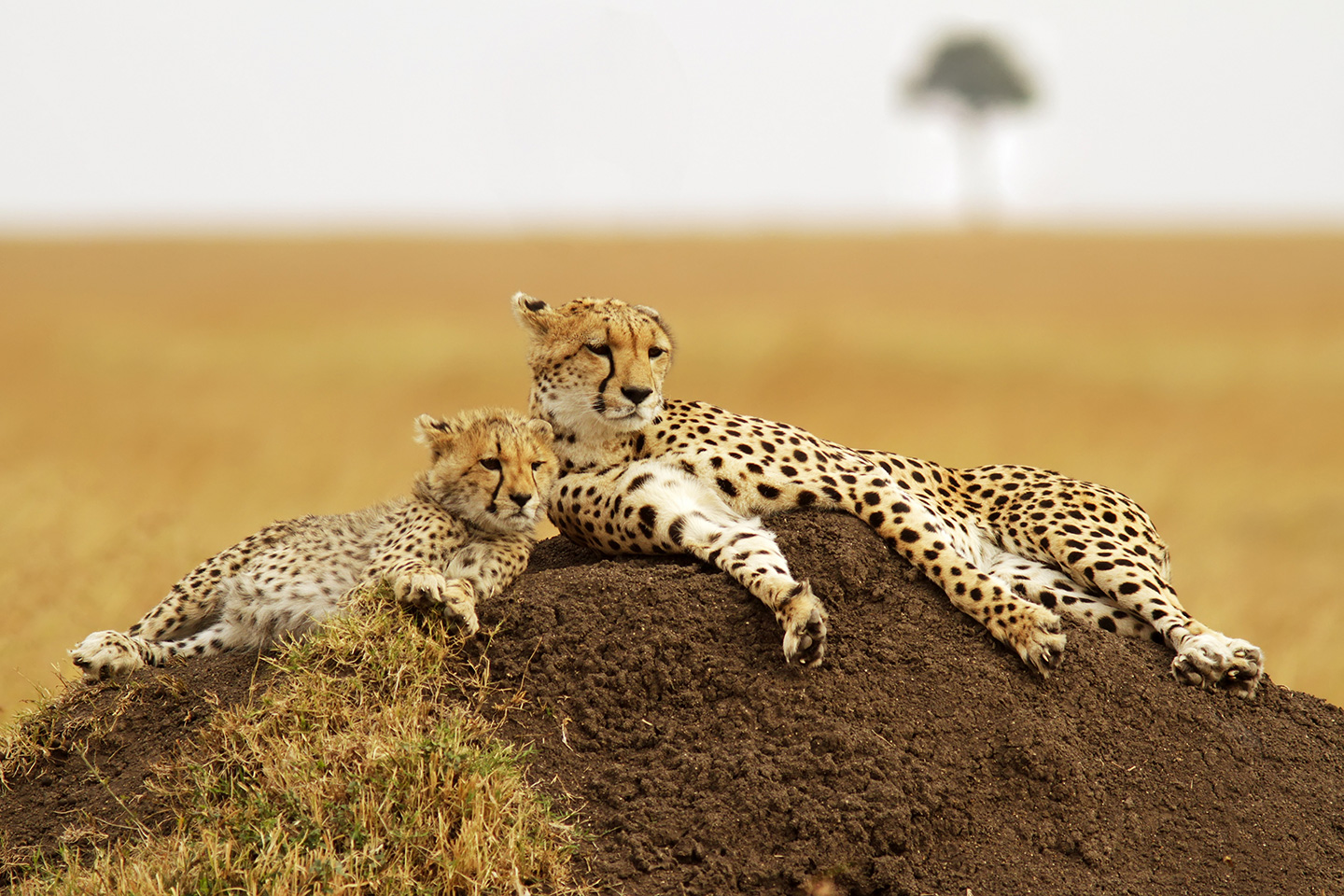
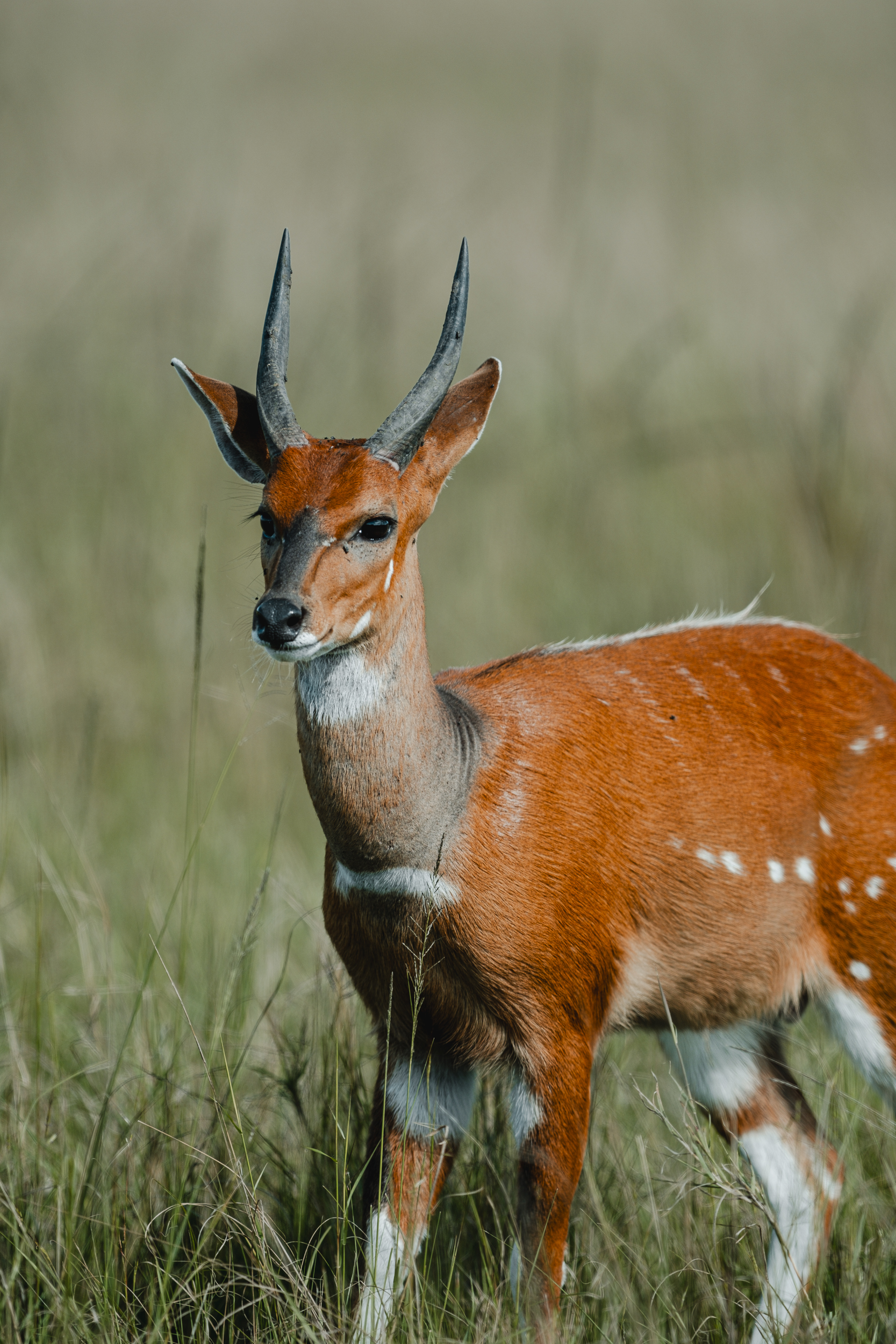
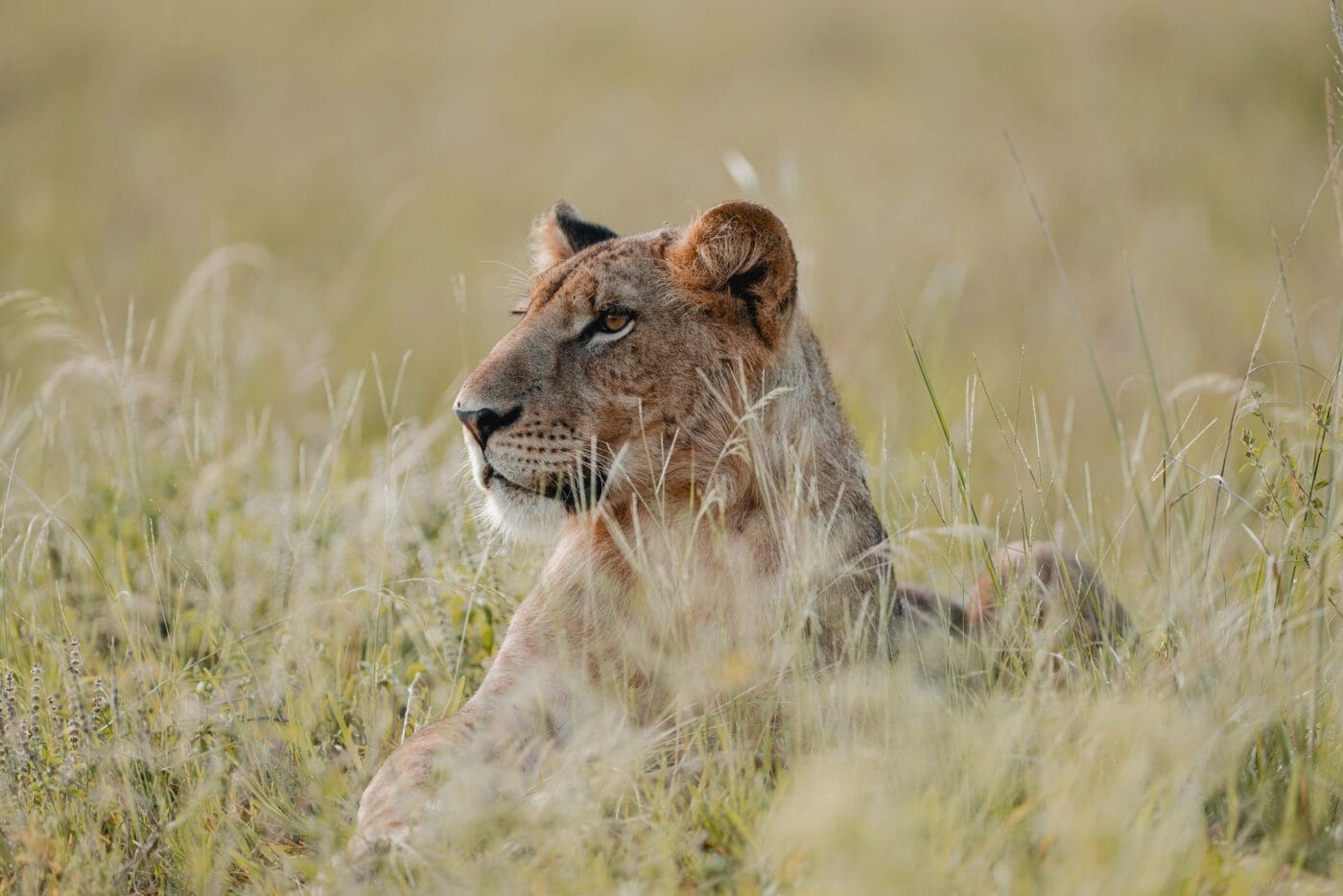
Akagera National Park, once decimated by conflict and poaching, has been successfully restored into a thriving Big Five safari destination. Thanks to a joint management model between African Parks and the Rwandan government, Akagera is now a model for rewilding and responsible tourism.
In the west, Lake Kivu offers a tranquil escape with boat rides, coffee farm tours, kayaking, and biking along the Congo Nile Trail—combining adventure with local interaction and sustainability.
Rwanda is more than a destination—it’s an inspiration. From misty mountains to serene lakes, intimate wildlife encounters to moving cultural exchanges, Rwanda offers a deeply meaningful and sustainable travel experience for those seeking connection, nature, and purpose.
Our Rwandan Journeys
Rwanda Quick Facts
Electrical Plug
Population
Currency
Calling Code
Yes — most travellers from Europe, the USA, Canada, and many other countries require a visa to enter Rwanda.
You can apply online via the Rwanda eVisa portal, or obtain a visa on arrival at Kigali International Airport and select land borders.
Tourist visas are typically valid for 30 days, and Rwanda also offers an East Africa Tourist Visa, which allows travel between Rwanda, Uganda, and Kenya. Your passport must be valid for at least 6 months with two blank pages.
A Yellow Fever certificate is only required if you are arriving from, or transiting through, a Yellow Fever–endemic country.
While no vaccines are mandatory for travellers arriving directly from Europe or North America, the following are strongly recommended:
Hepatitis A, Typhoid, Tetanus, and Rabies (especially for rural travel or wildlife encounters).
Malaria is present in most parts of Rwanda, so anti-malarial medication is advised—please consult your travel doctor before departure.
Tap water in Rwanda is not considered safe for drinking.
Stick to bottled or filtered water, which is widely available in hotels, lodges, and restaurants.
Use bottled water when brushing your teeth and avoid ice in drinks unless you’re confident it was made from purified water.
Yes — Wi-Fi is common in most hotels, cafes, and lodges in Kigali and major towns.
While connection speeds are improving, they can still be slower or patchy in remote areas like national parks.
For better coverage, consider buying a local SIM card with a data bundle from providers like MTN Rwanda or Airtel.
Credit cards — particularly Visa and MasterCard — are accepted in higher-end hotels, restaurants, and travel companies in cities.
However, Rwanda remains largely a cash-based economy, especially in rural areas.
The local currency is the Rwandan Franc (RWF). ATMs are available in major towns, but carry some cash for daily use and small purchases.
Yes — mobile coverage is strong in cities and tourist regions, though it may be weak or unavailable in remote areas.
You can purchase a local SIM card (MTN or Airtel) with your passport. SIMs and data plans are affordable and easy to set up.
International roaming is available but can be expensive, so a local SIM is the best option for most travellers.