ZAMBIA

The soul of Africa, where untamed wilderness and roaring waters meet beneath vast, golden skies.

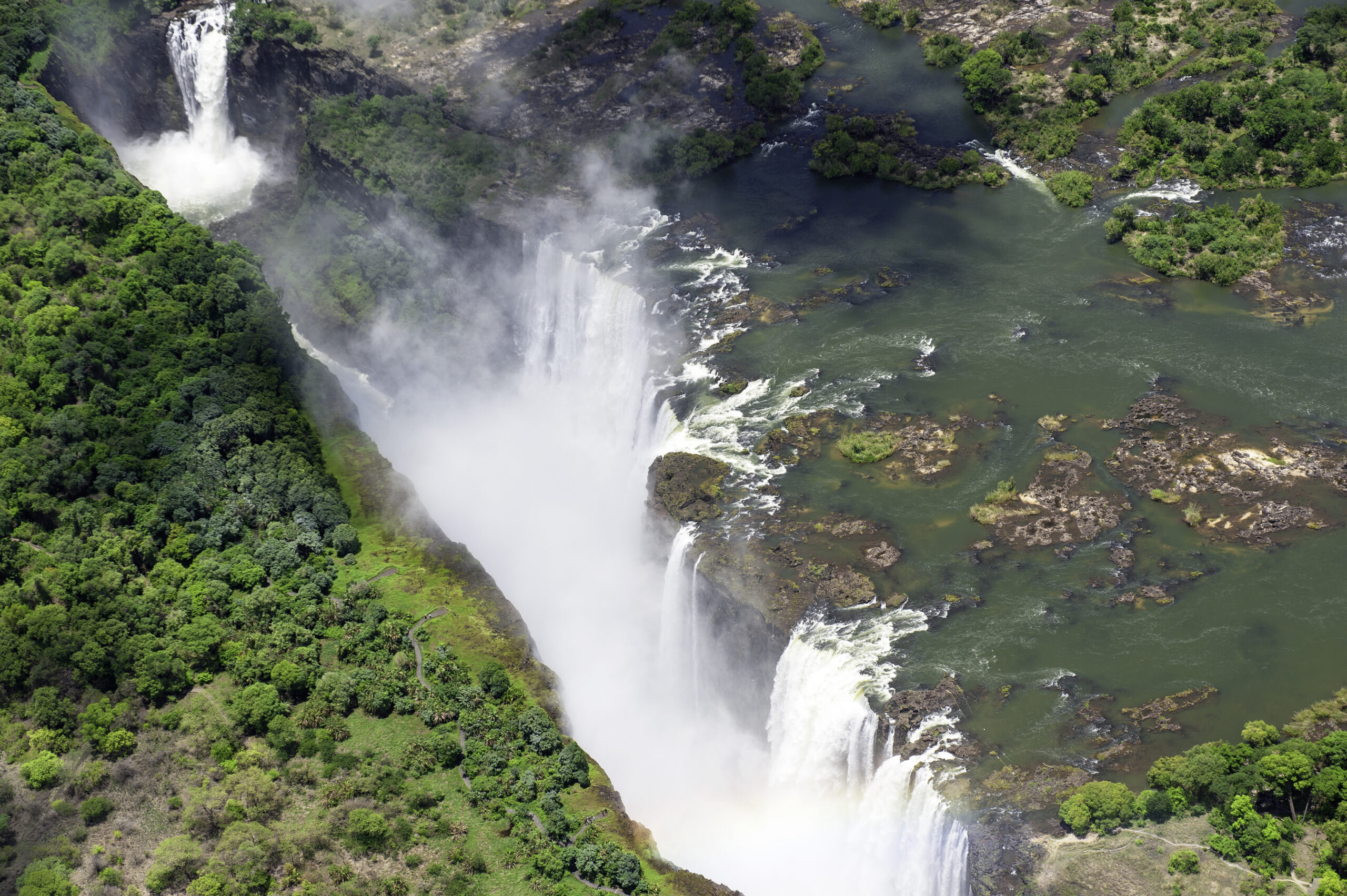
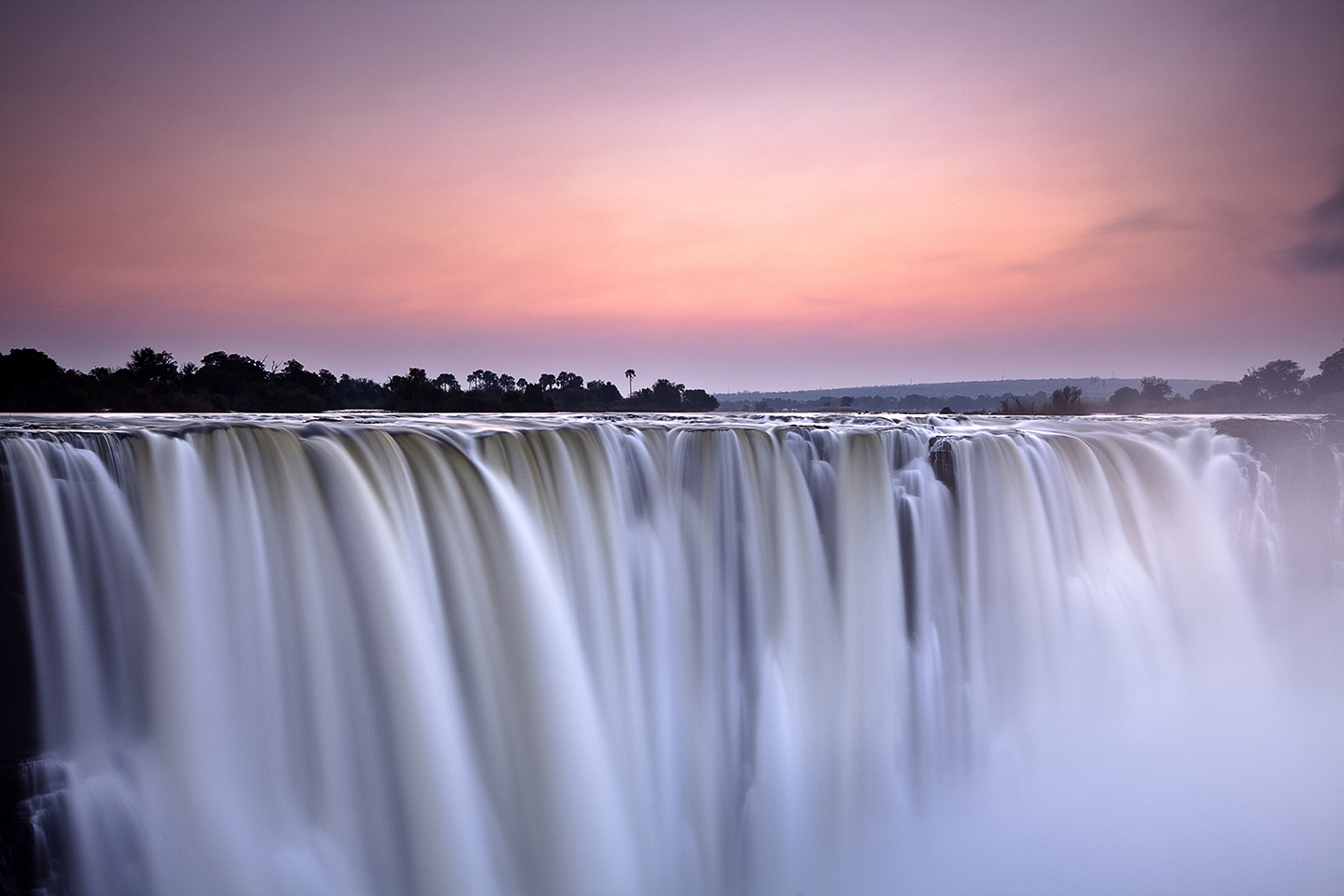
Zambia, a landlocked southern African country, features rugged terrain, diverse wildlife, and renowned parks. Its highlight, Victoria Falls—"Mosi-oa-Tunya" or "Smoke That Thunders"—plunges 108m into Batoka Gorge. The nearby Victoria Falls Bridge offers breathtaking views over the Zambezi River, making it a spectacular destination for nature and adventure enthusiasts.

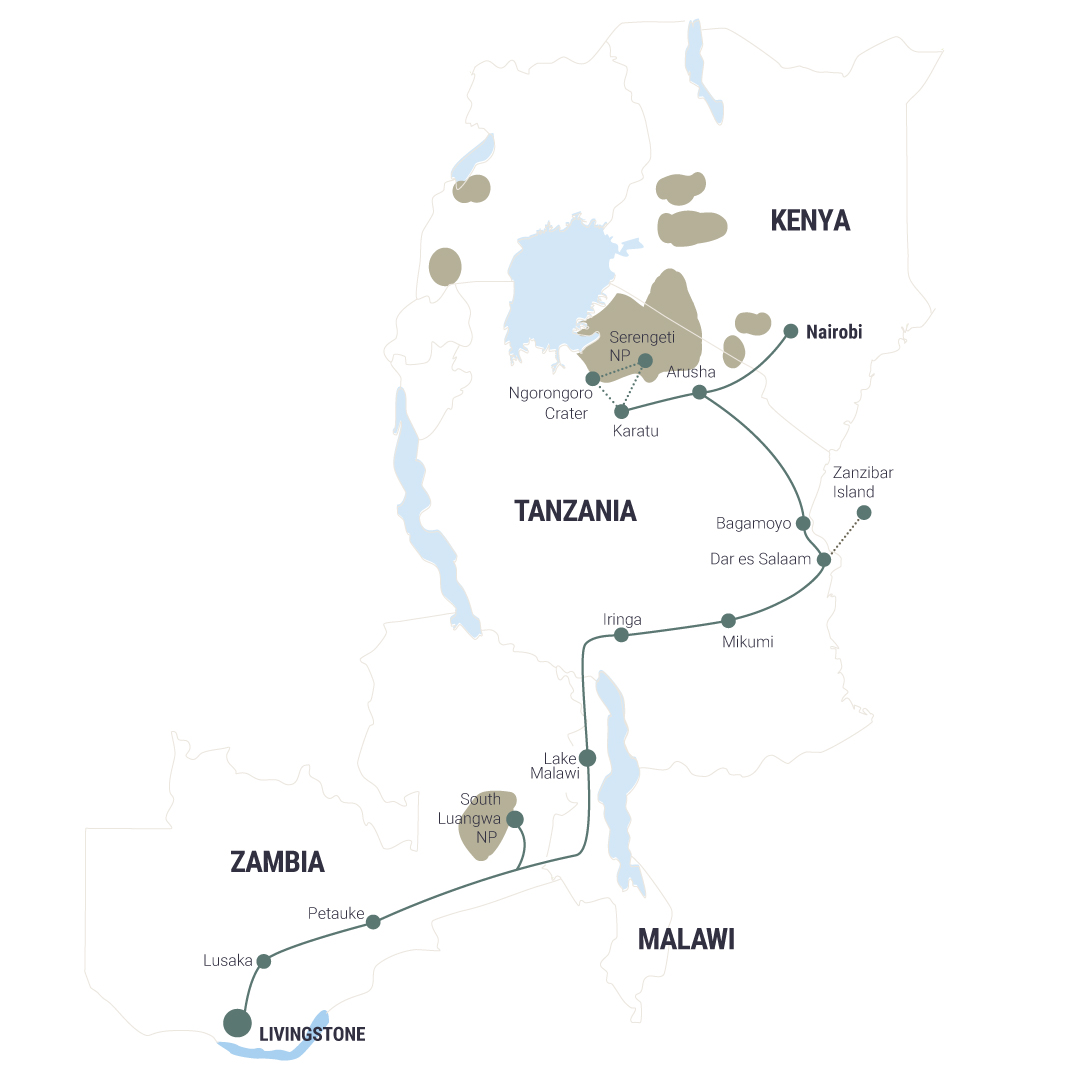
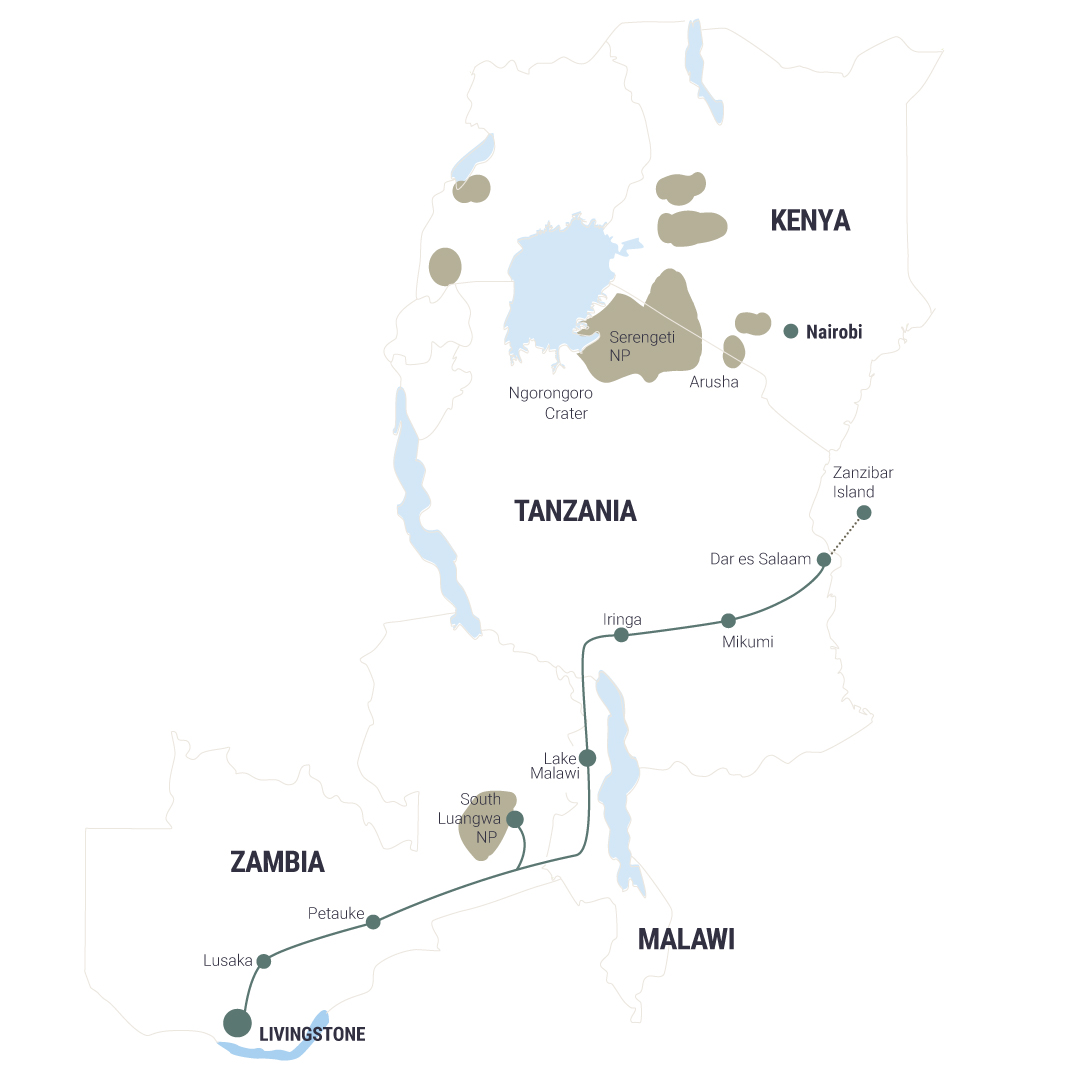
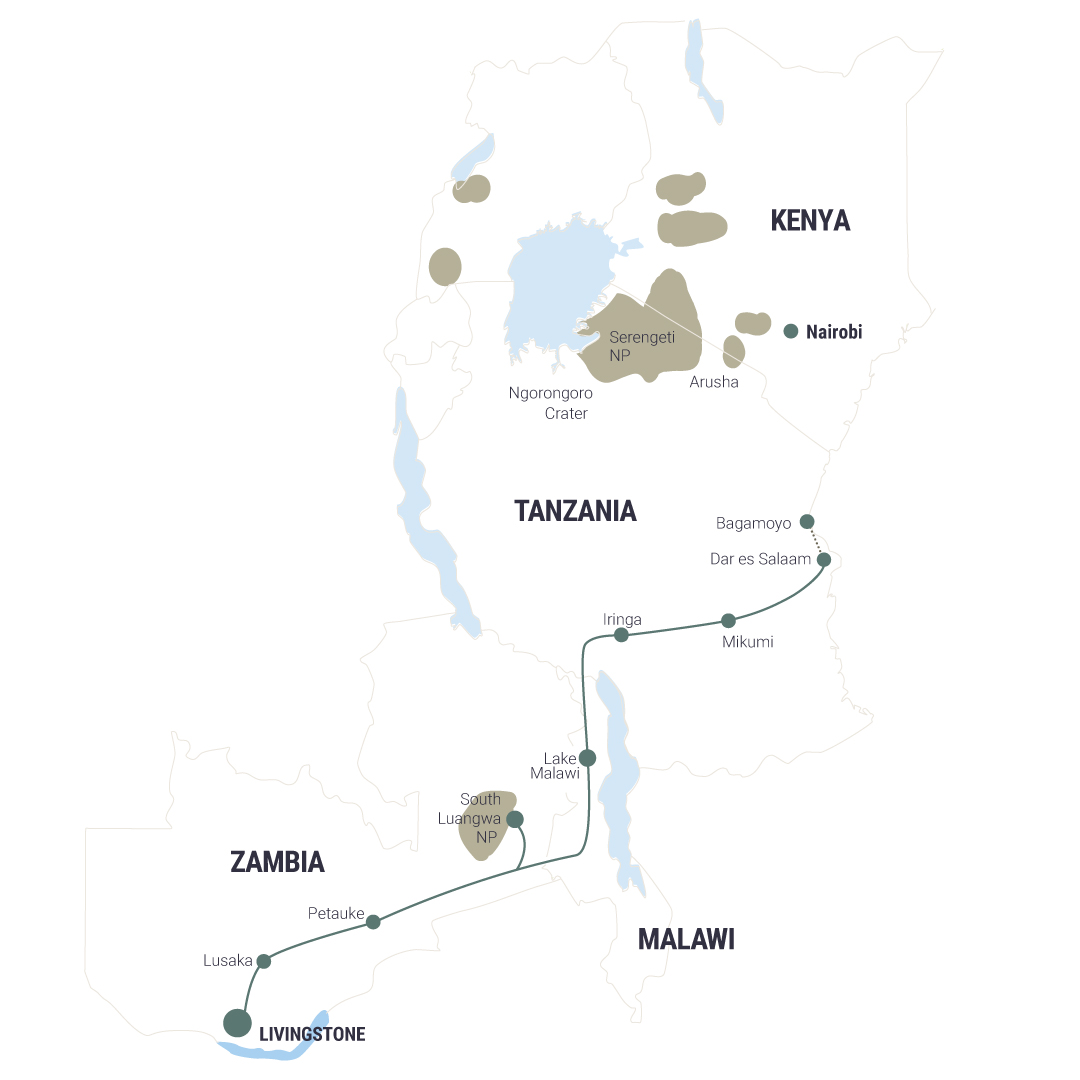
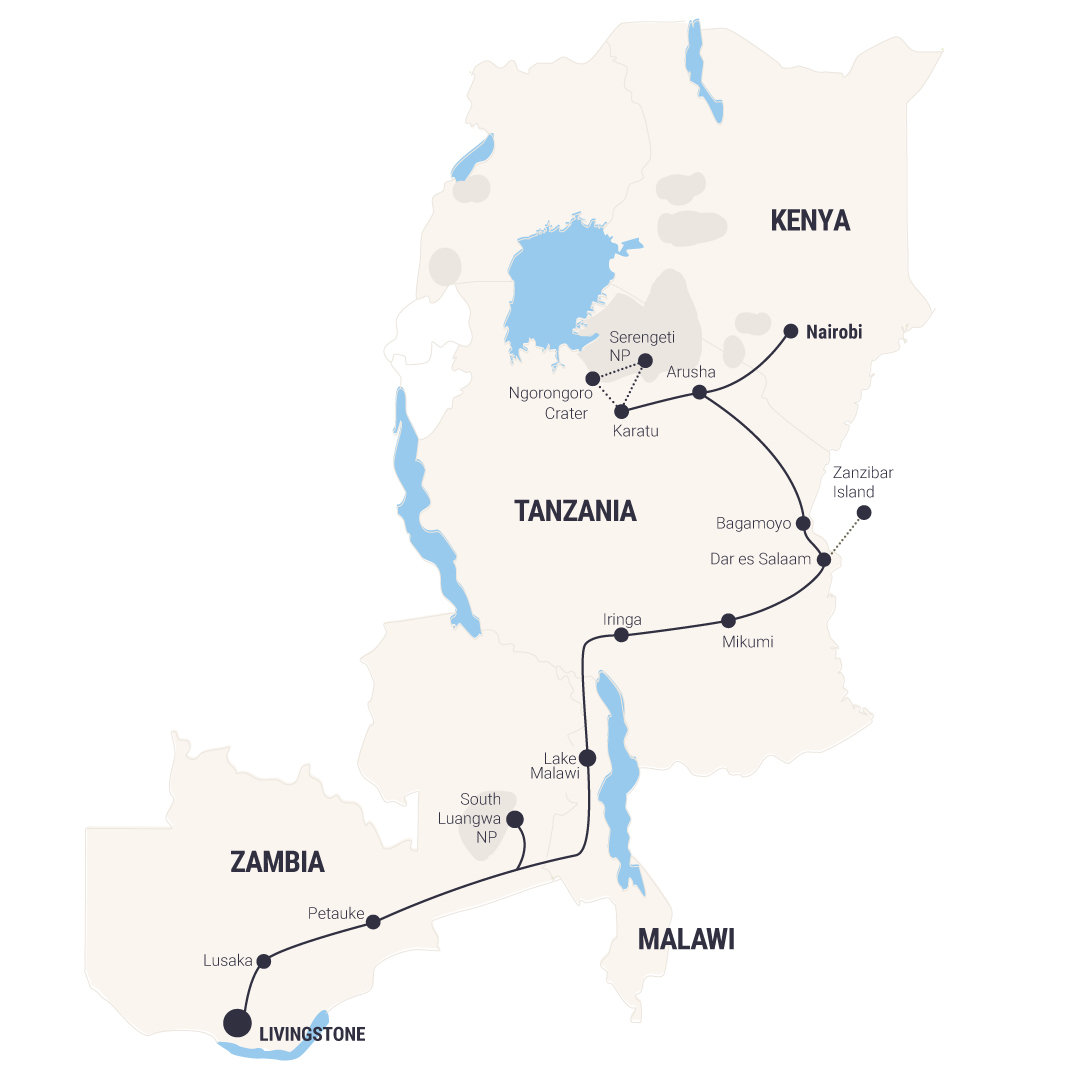
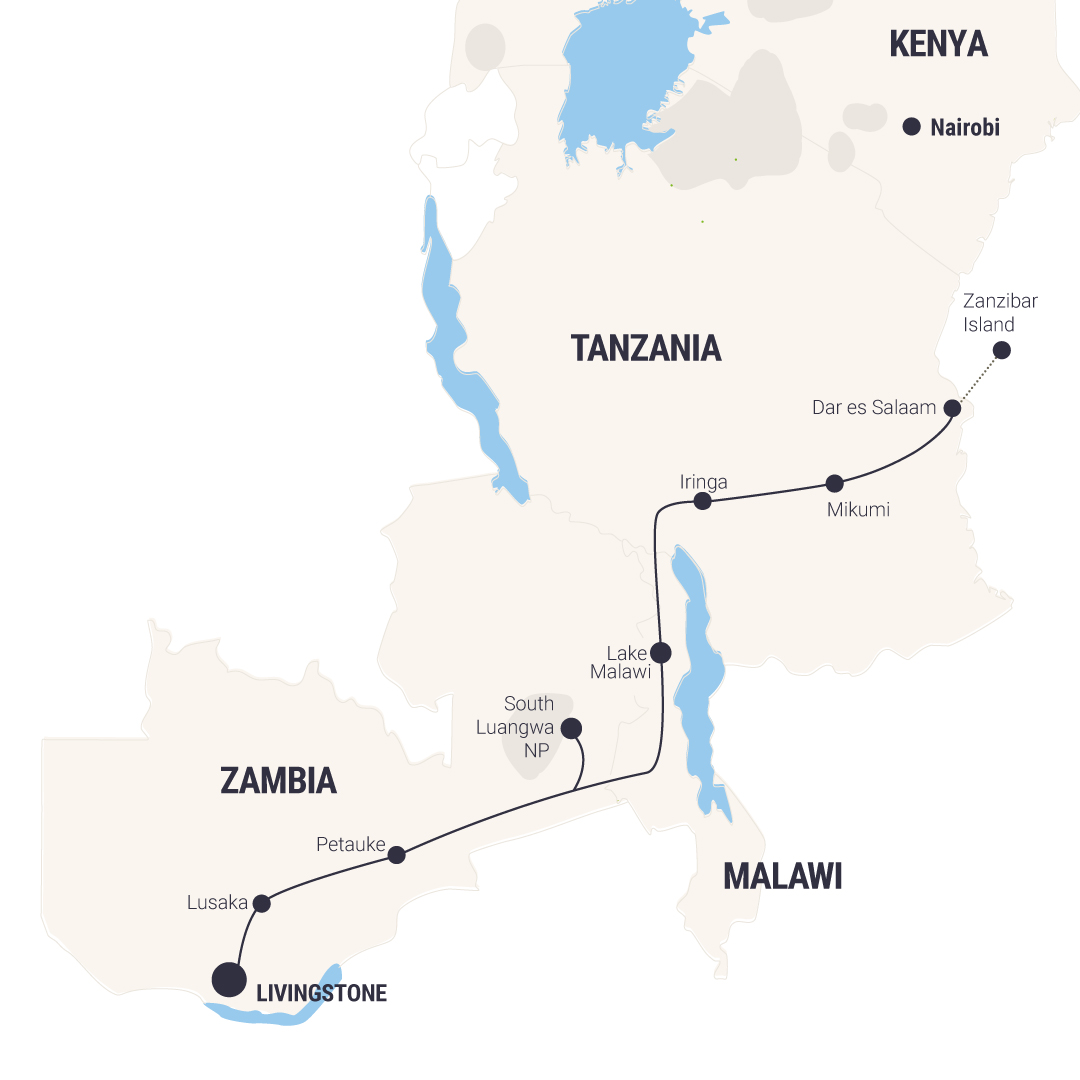
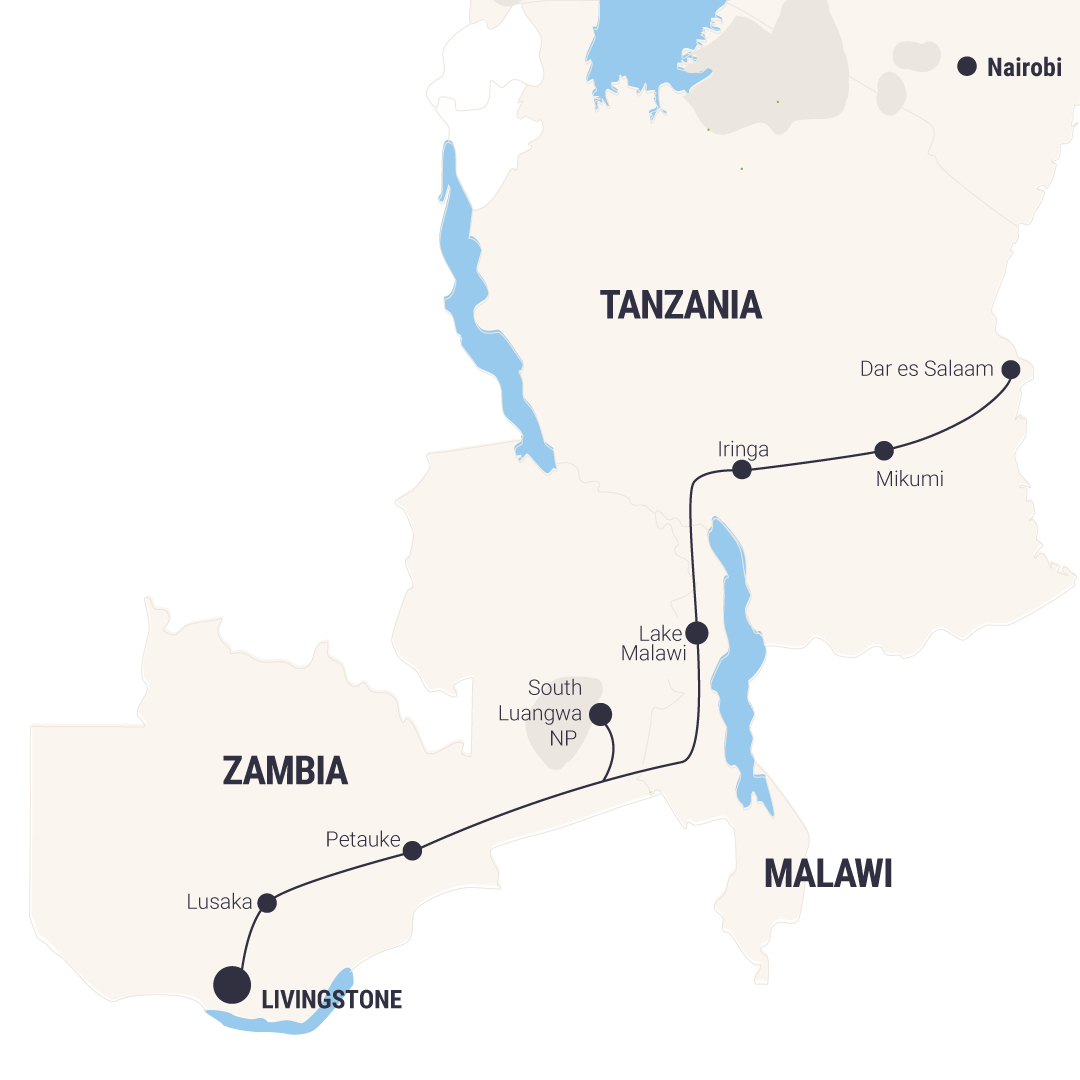
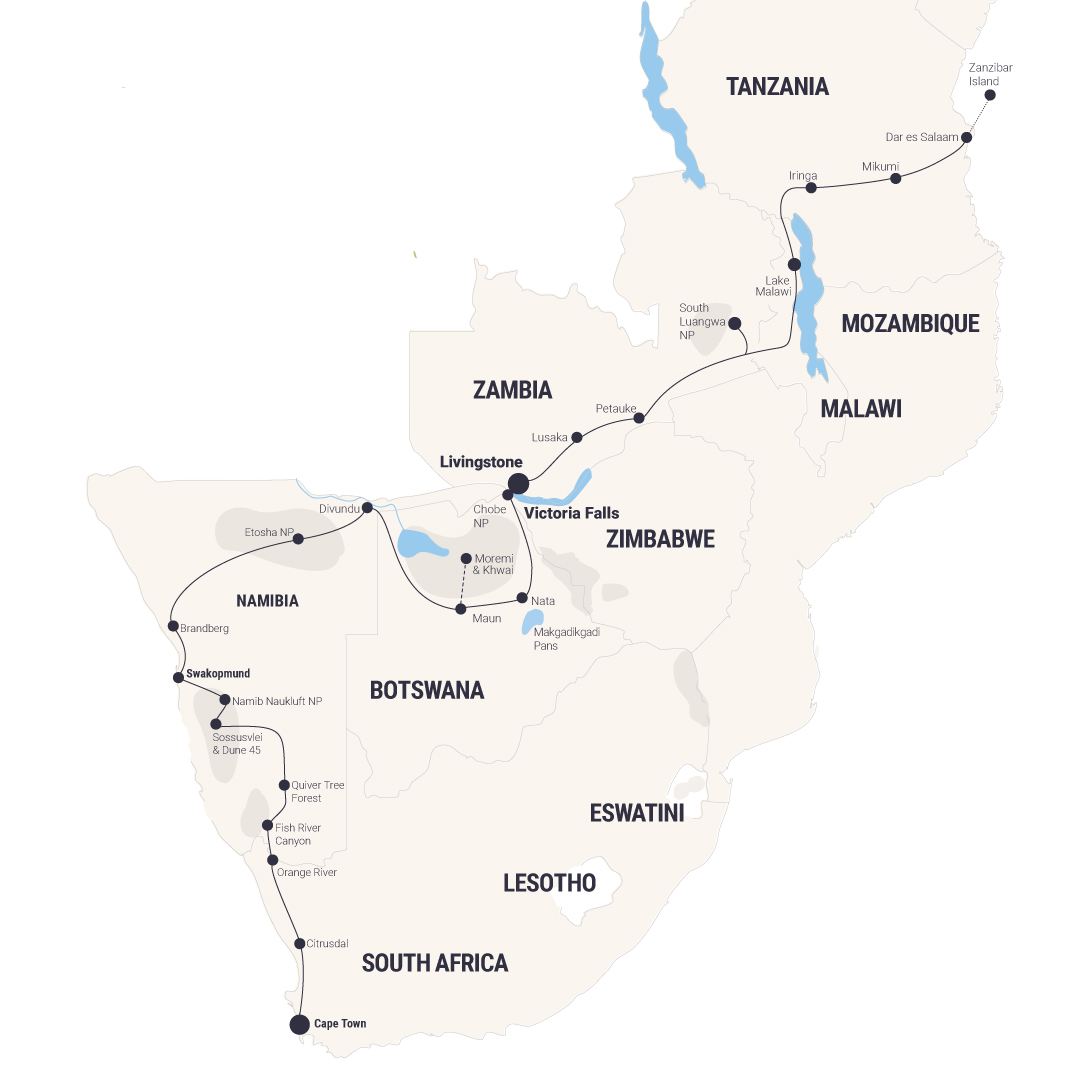
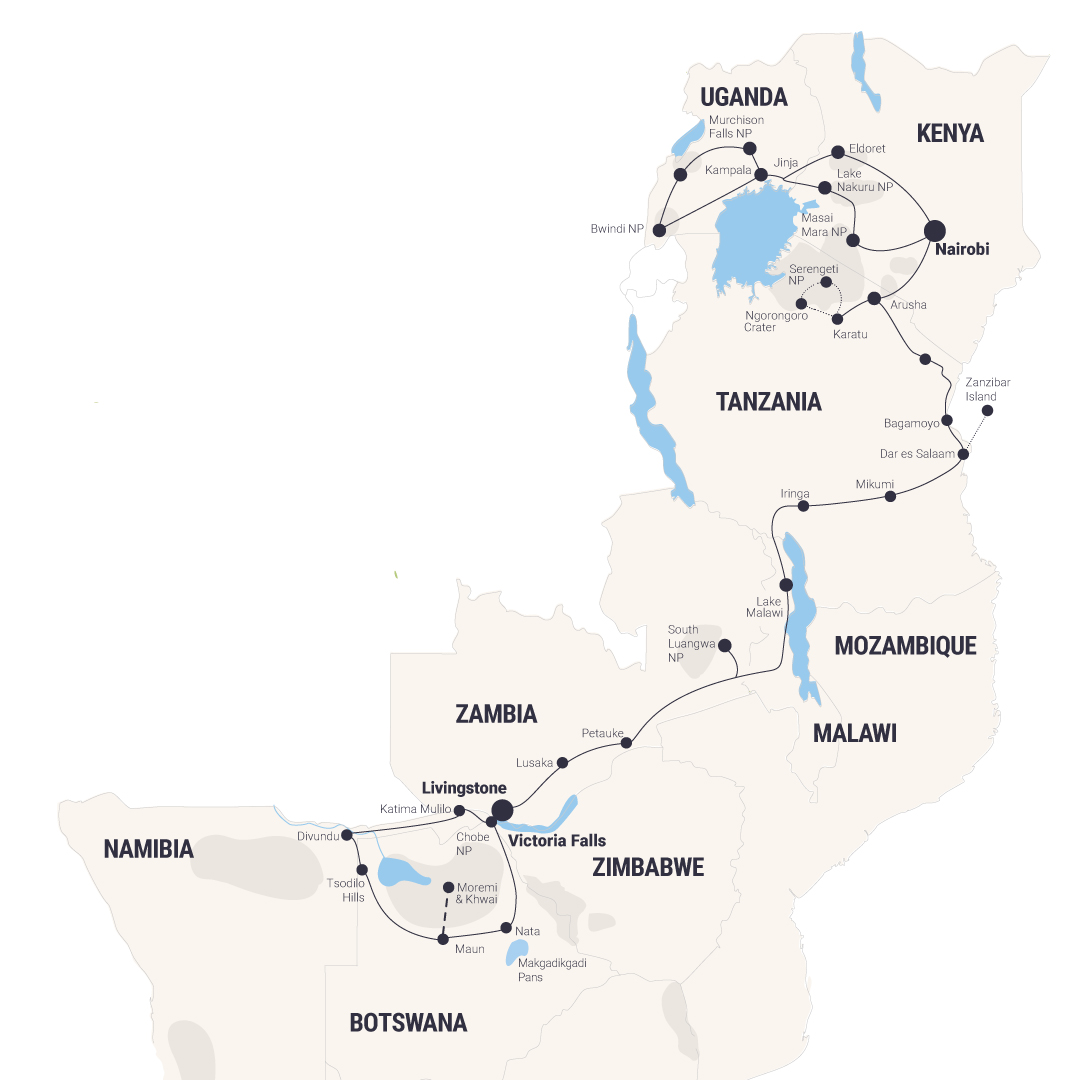
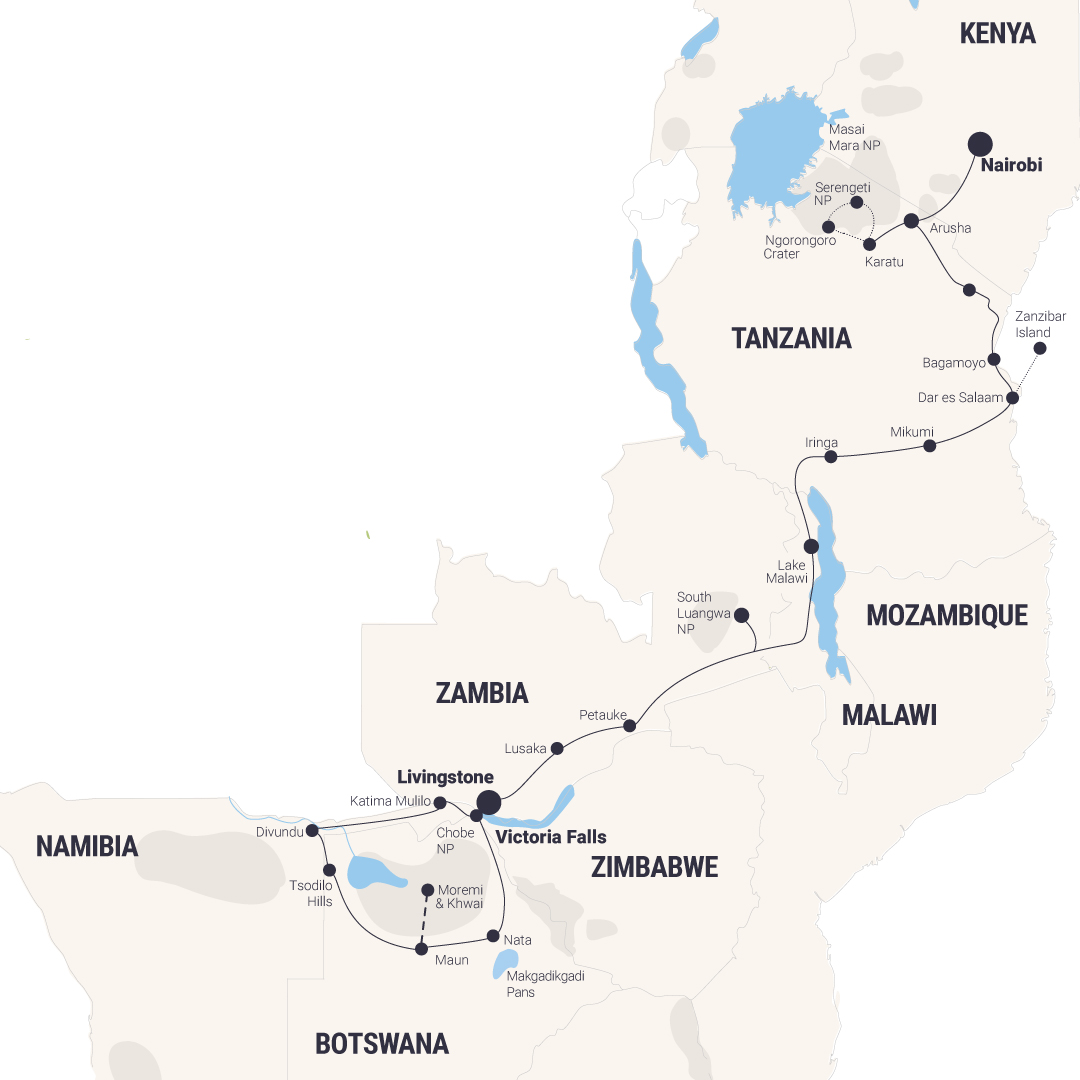
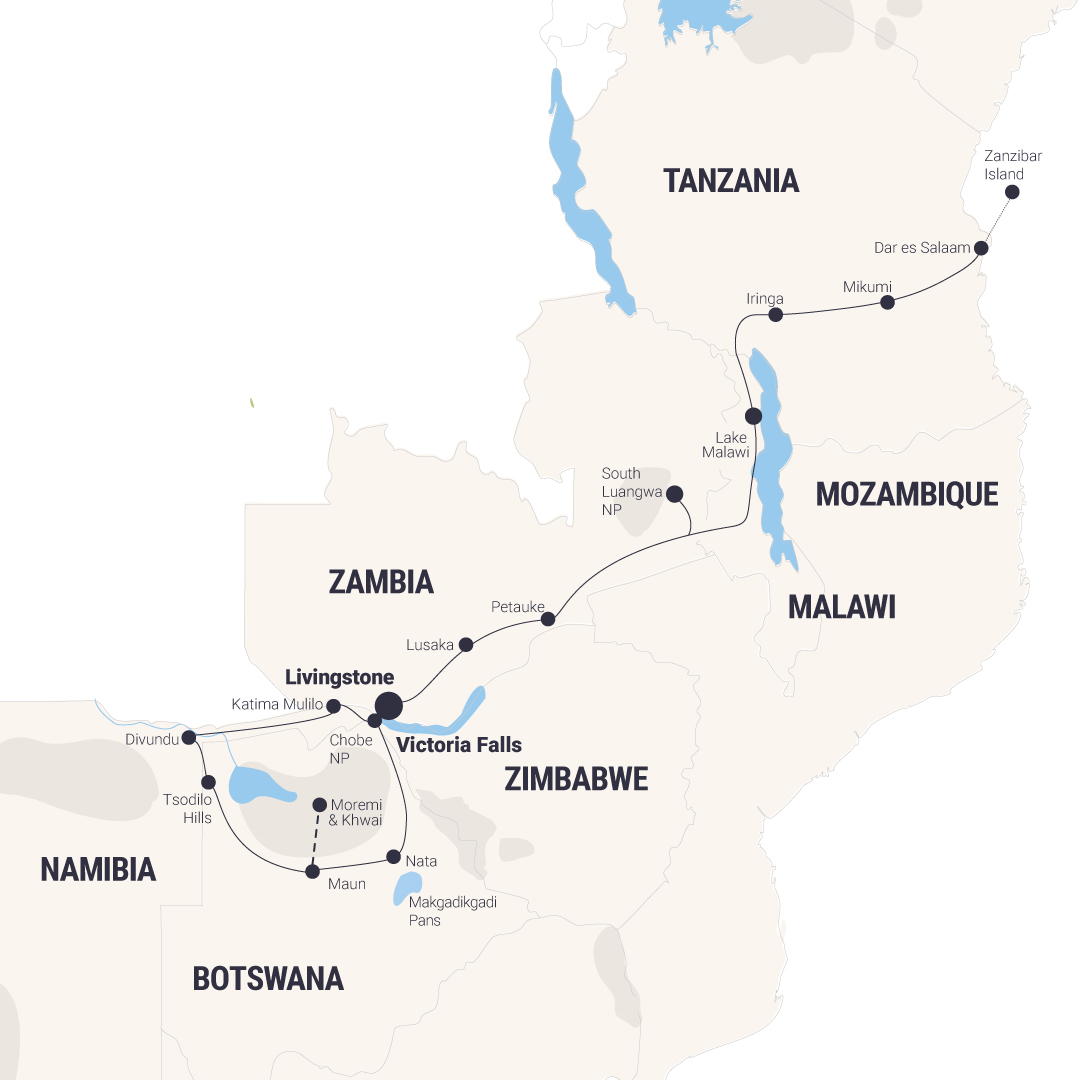
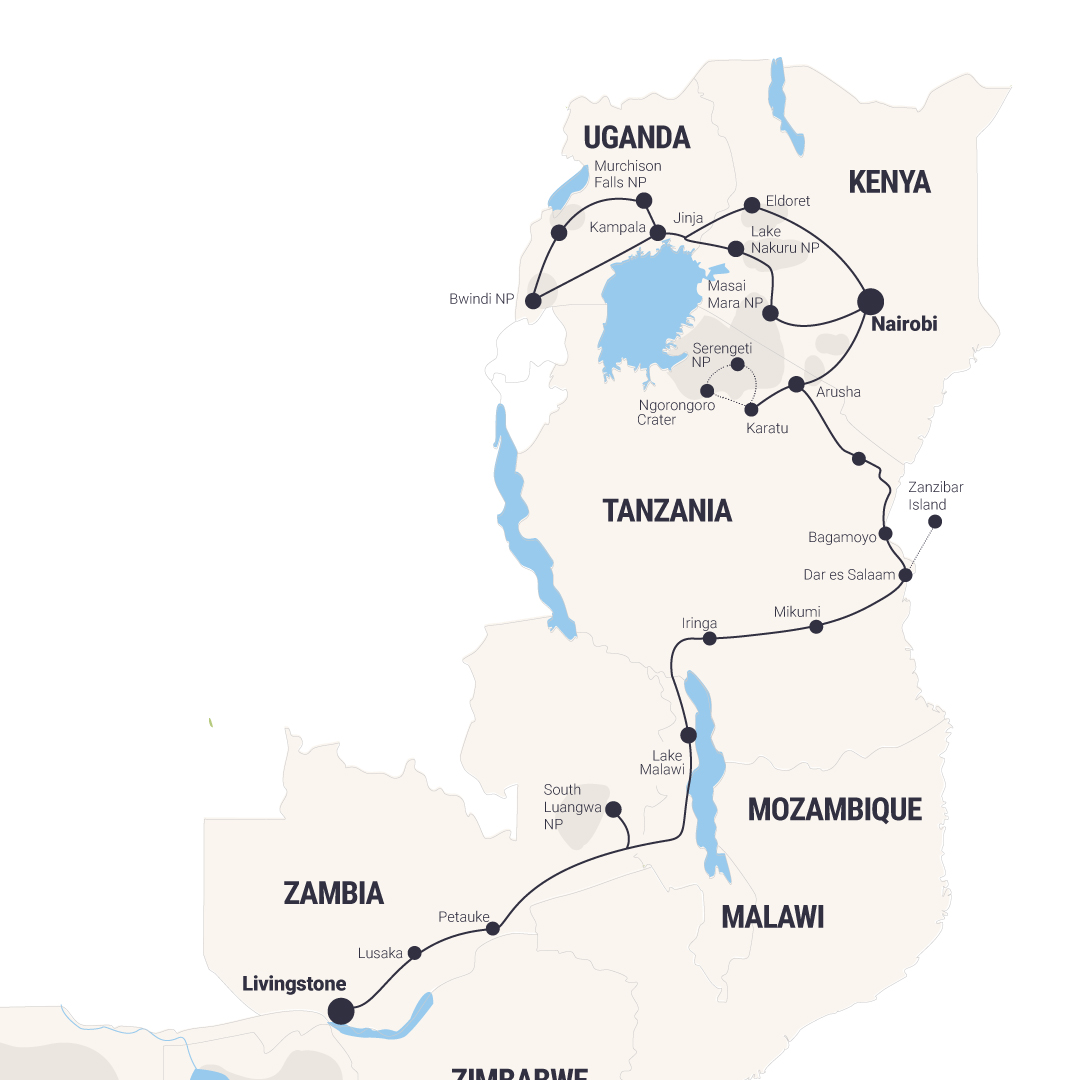
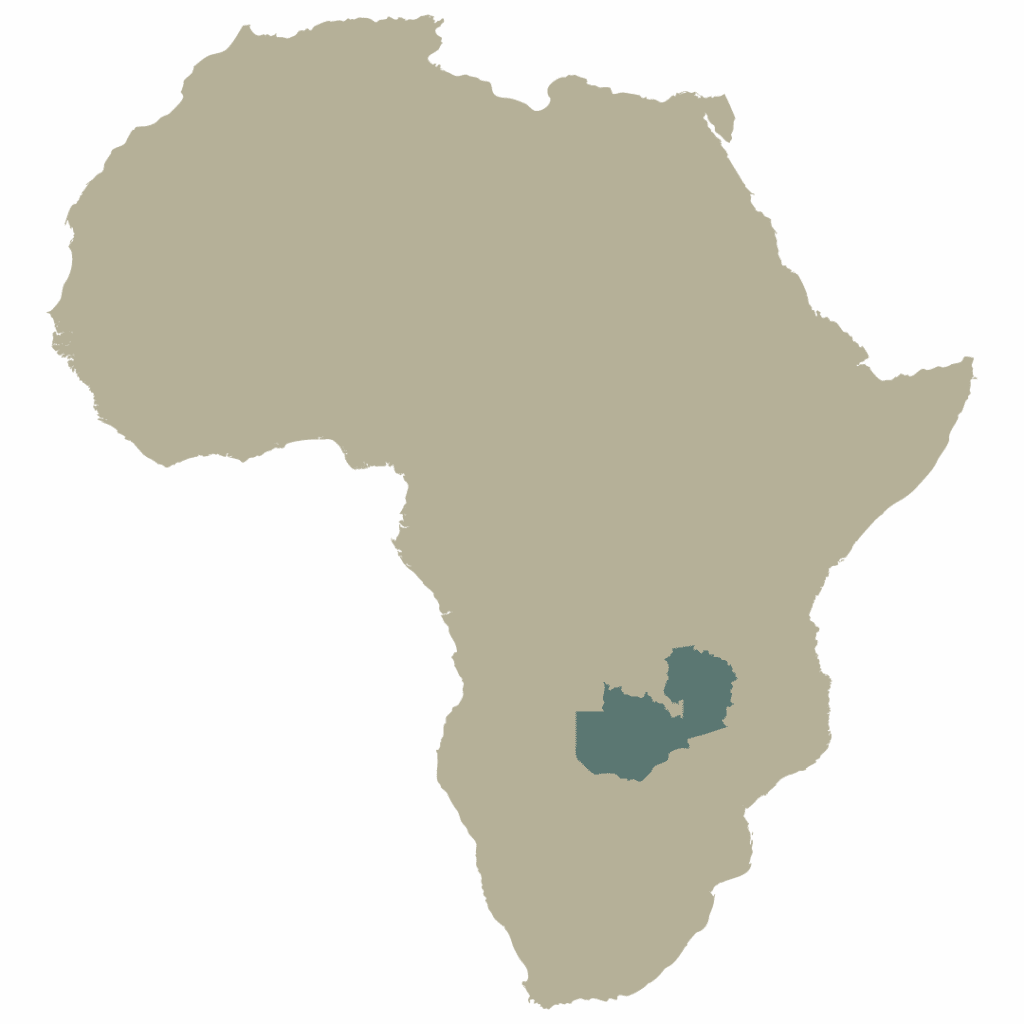
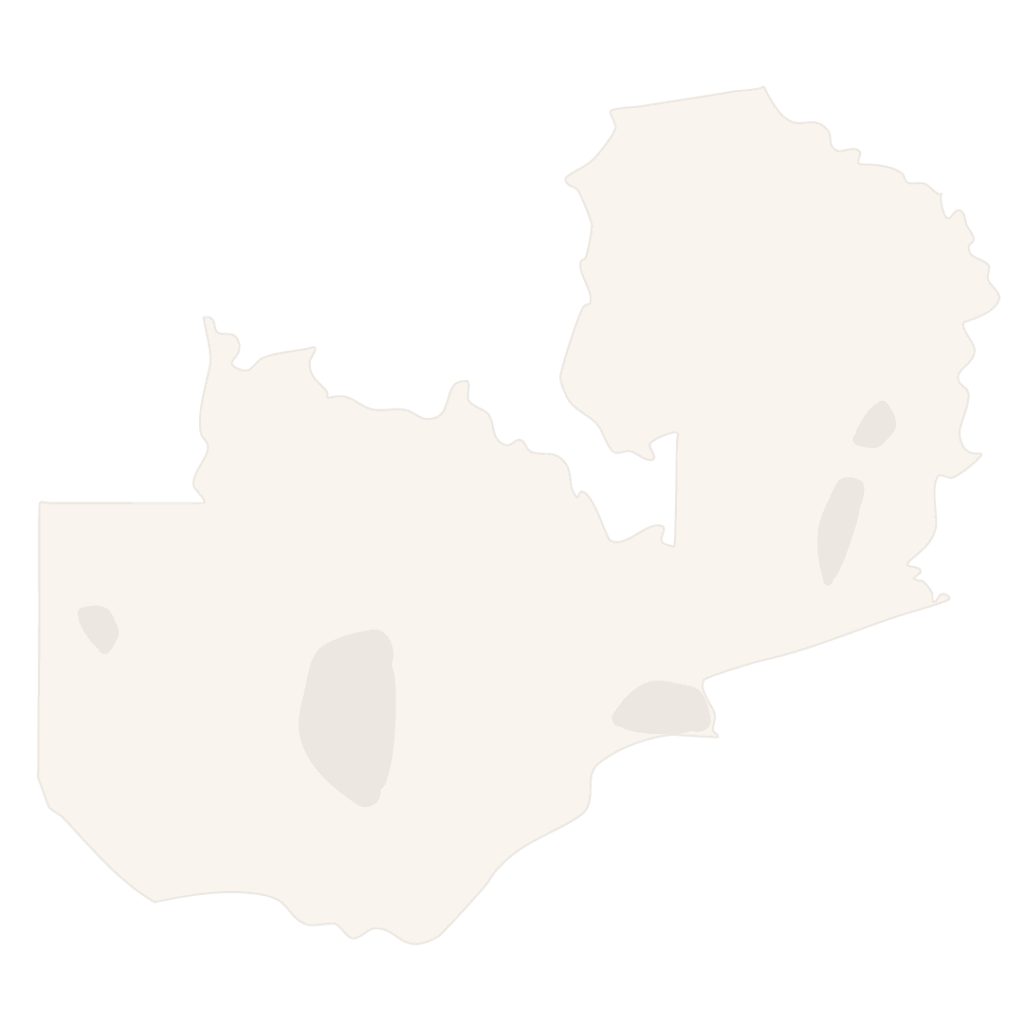
Zambia, officially the Republic of Zambia, is a landlocked country located at the crossroads of Central, Southern, and East Africa. Often considered part of Southern or South-Central Africa, it shares borders with the Democratic Republic of the Congo to the north, Tanzania to the northeast, Malawi to the east, Mozambique to the southeast, Zimbabwe and Botswana to the south, Namibia to the southwest, and Angola to the west. Lusaka, the capital city, lies in the south-central region, with population centers concentrated around Lusaka and the Copperbelt Province, the country’s economic hubs.

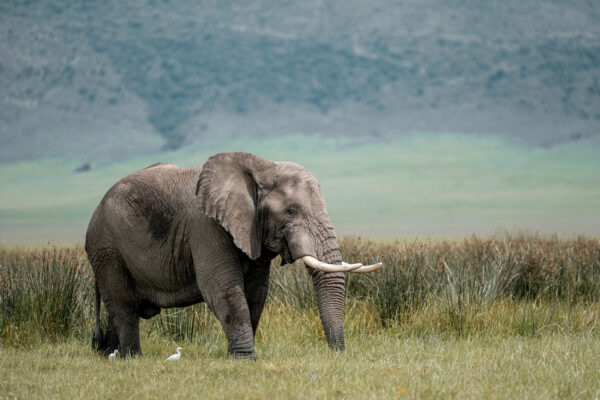
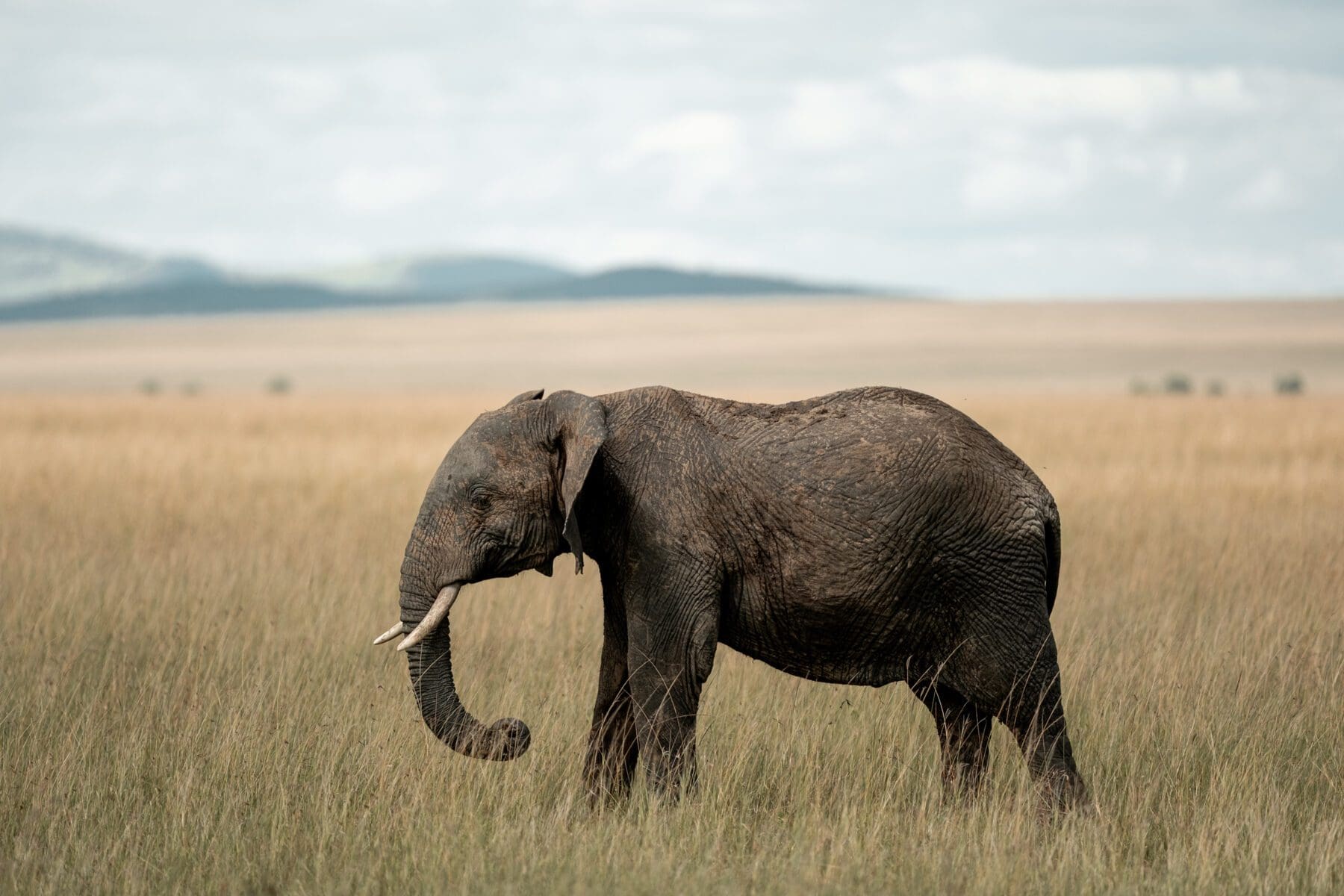
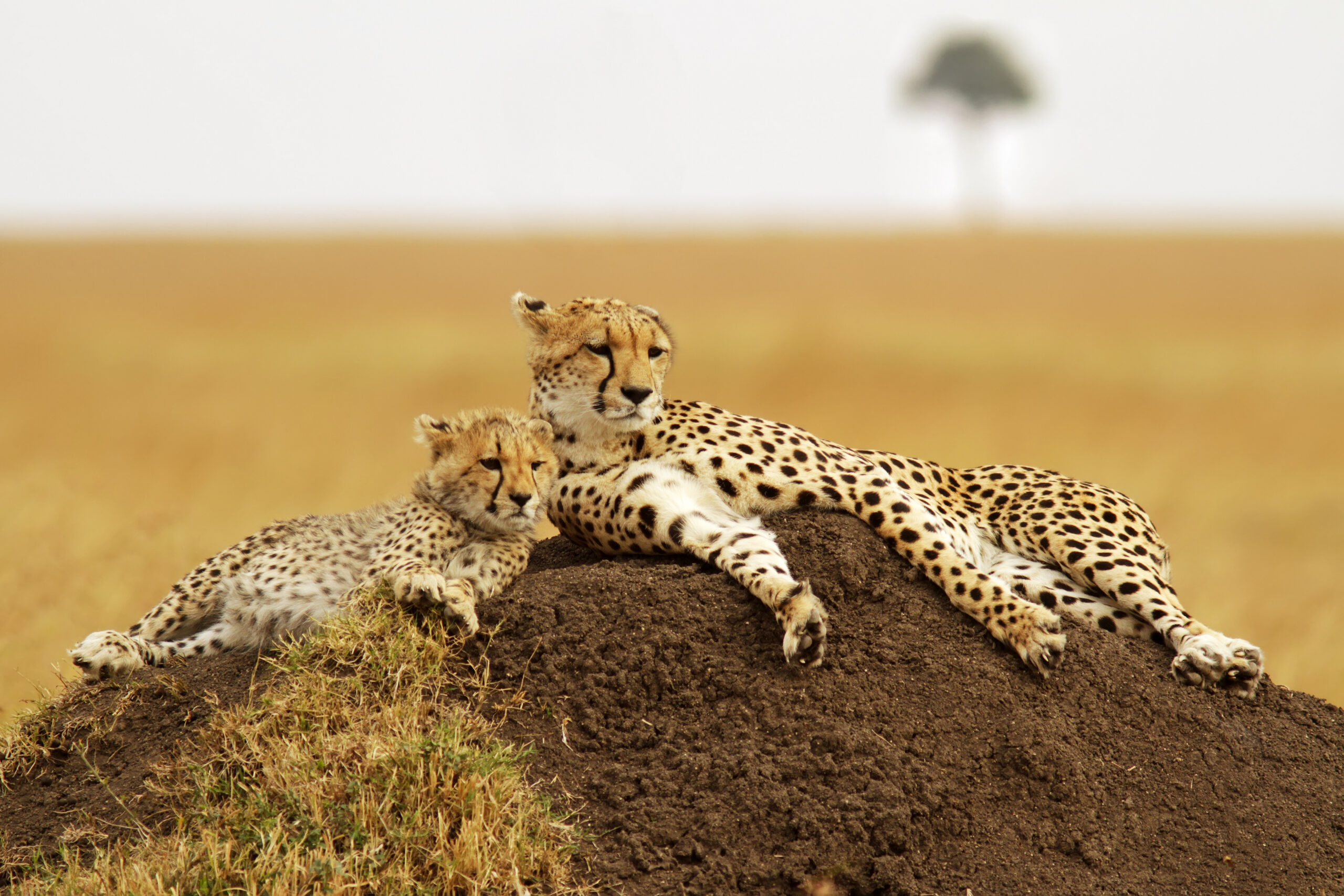
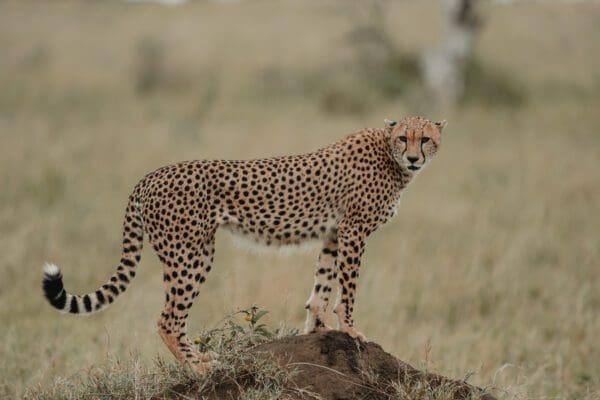
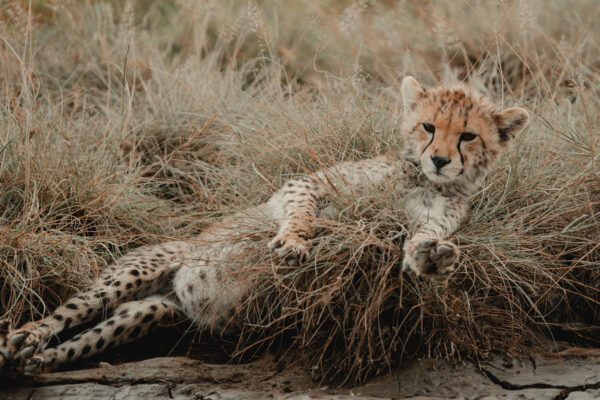
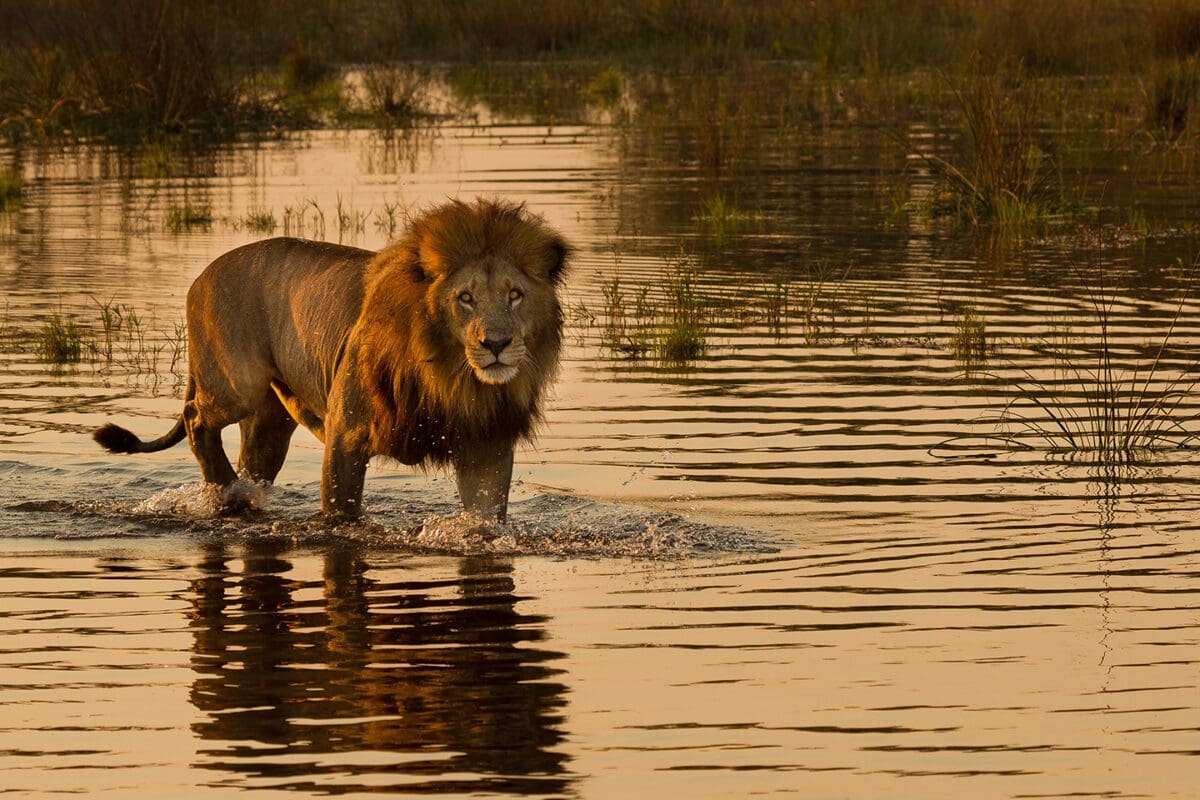
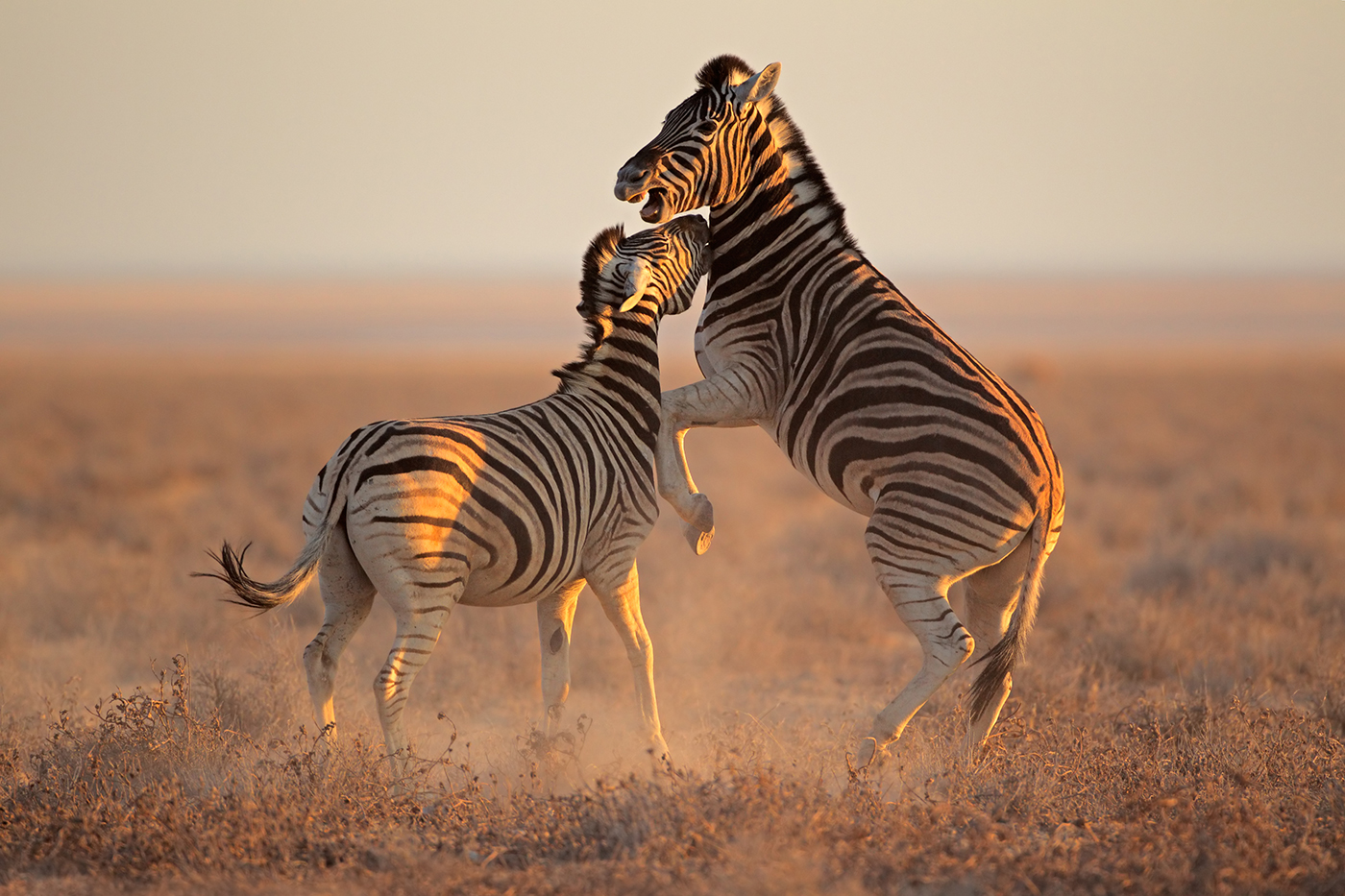
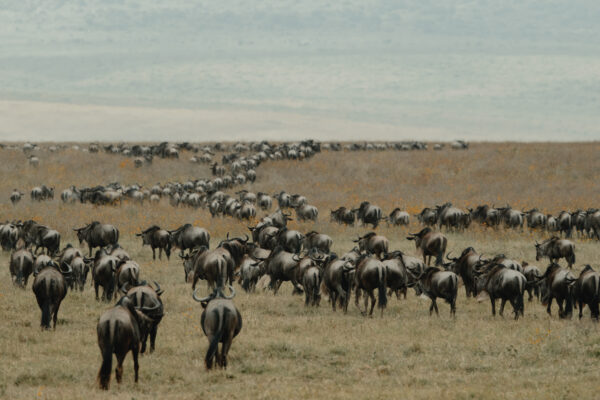
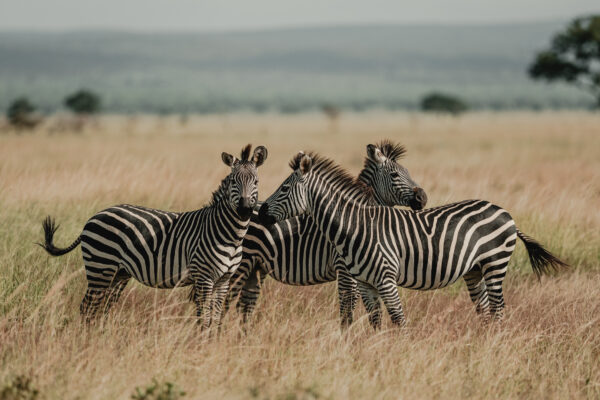
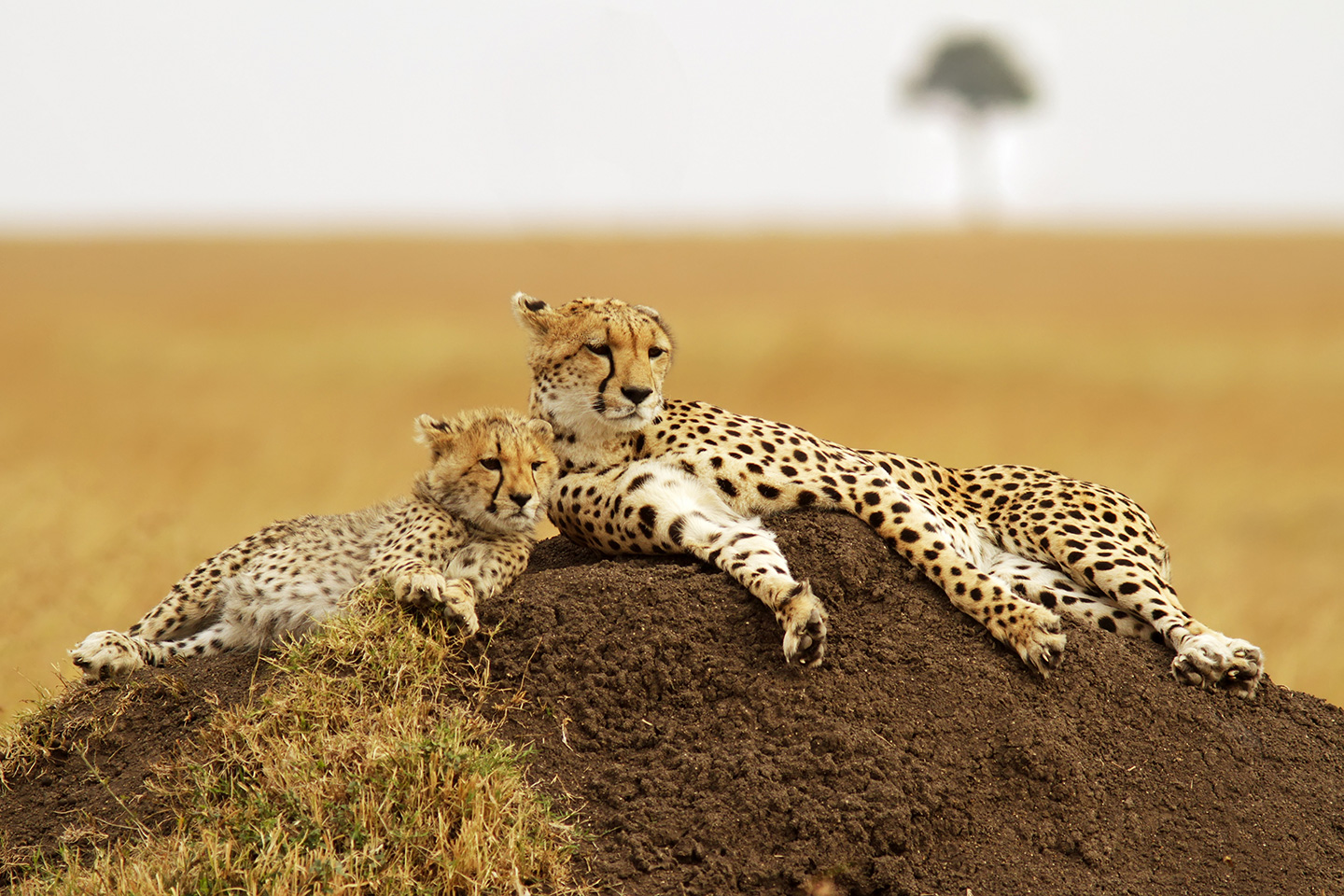
Zambia is renowned for its stunning natural beauty, diverse wildlife, and vast wilderness areas. It is home to some of Africa’s most spectacular national parks and natural wonders. South Luangwa National Park, often considered one of the greatest wildlife sanctuaries in the world, boasts an abundance of elephants, leopards, and hippos, alongside rich birdlife. Kafue National Park, Zambia’s largest, offers an expansive landscape teeming with lions, cheetahs, and antelope species. Lower Zambezi National Park provides incredible opportunities for river-based safaris, with hippos, crocodiles, and elephants thriving along the Zambezi River.

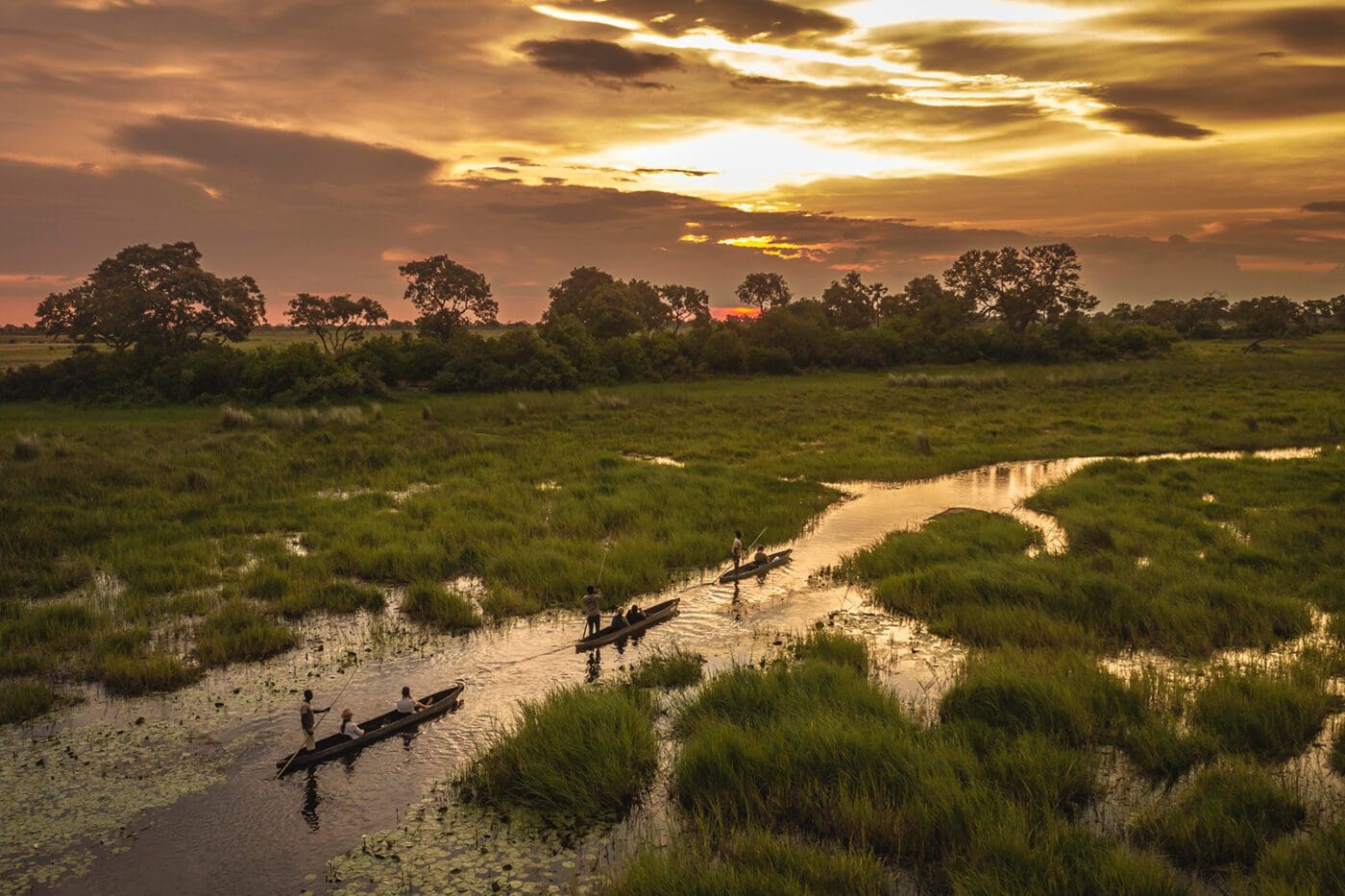
The country’s natural wonders include the majestic Victoria Falls, one of the Seven Natural Wonders of the World. Known locally as Mosi-oa-Tunya, or “The Smoke That Thunders,” the falls are a UNESCO World Heritage Site and a major attraction for adventure seekers. Zambia’s rivers, lakes, and unspoiled landscapes make it a prime destination for nature enthusiasts and ecotourism, showcasing its rich biodiversity and breathtaking scenery.

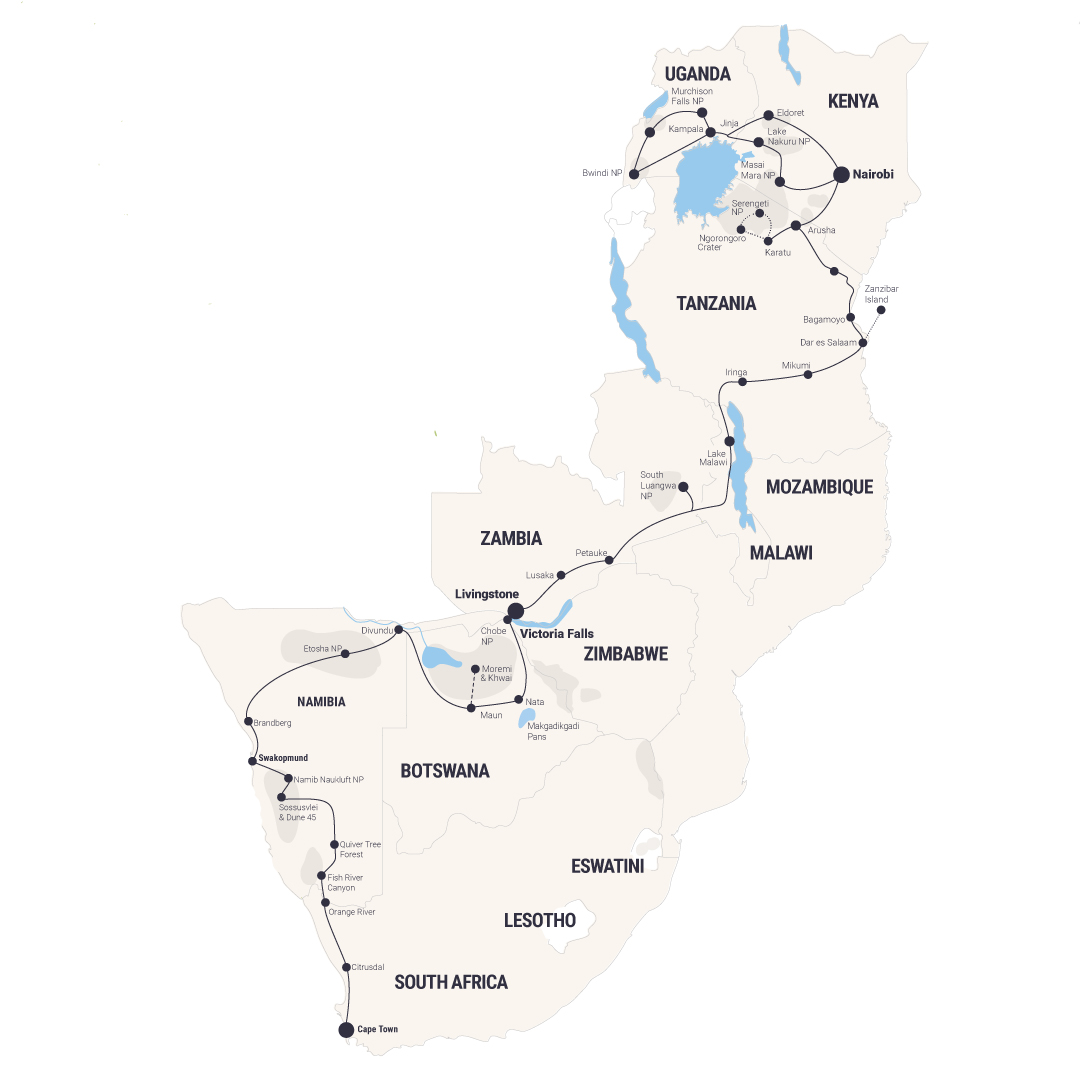
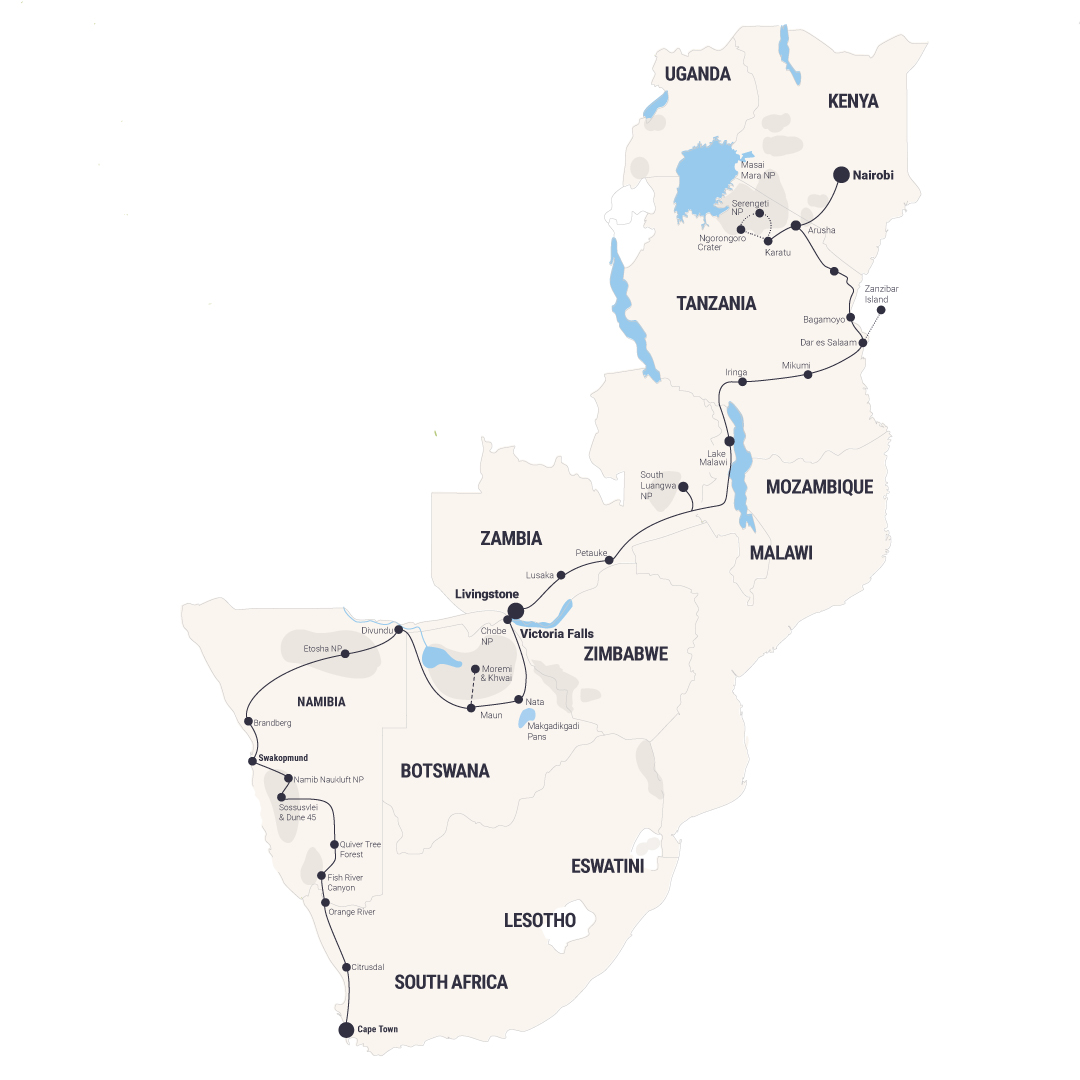
Our Zambia Journeys

Zambia Quick Facts

Area

752,617 km2

Time Zone

(GMT+02:00) Lusaka

Electrical Plug

Type D (Old British 3-pin) Type G

Population

Est. 20,57 million

Currency

Zambian Kwacha

Yes — most travellers from Europe, the USA, and Canada require a visa to enter Zambia.
The good news is you can now apply online via the Zambia eVisa portal, or obtain a visa on arrival at major airports and borders. Tourist visas are typically valid for 30 days.

For multi-country travel, consider the KAZA Univisa, which allows multiple entries between Zambia and Zimbabwe, and day trips into Botswana — ideal for travellers visiting Victoria Falls and Chobe National Park. It’s available at ports of entry like Livingstone, Lusaka, and Kenneth Kaunda International Airport.

A Yellow Fever certificate is required only if you’re arriving from or transiting through a Yellow Fever–risk country. It is not required if you’re coming directly from Europe or North America.
Recommended vaccinations include Hepatitis A, Typhoid, Tetanus, and Rabies (especially if visiting remote areas or doing outdoor activities).
Malaria is present throughout Zambia, including Victoria Falls and national parks — consult your travel clinic about anti-malarial medication.

Tap water in Zambia is not safe to drink, especially in rural or safari areas. It’s best to stick to bottled or filtered water, which is widely available in hotels, lodges, and camps.
Use bottled water for brushing your teeth and avoid ice unless you know it’s from purified water.

Yes — most hotels, lodges, and cafes in urban areas like Lusaka, Livingstone, and Mfuwe offer Wi-Fi.
However, once you’re in remote safari areas or national parks, internet access may be limited or unavailable. For reliable connectivity, consider getting a local SIM card with data.

Visa and MasterCard are accepted in many hotels, lodges, restaurants, and supermarkets in larger towns. However, cash is still essential, especially in rural areas, markets, or for tipping.
Zambia’s local currency is the Zambian Kwacha (ZMW), and ATMs are available in towns and cities — just don’t rely on them in the bush.

Yes — Zambia has decent mobile coverage in cities and tourist towns, though it becomes patchy or nonexistent in remote areas and national parks.
Buying a local SIM card from providers like MTN or Airtel Zambia is affordable and easy (passport required). Local data plans are great for maps, messages, and even hotspotting. Roaming is available, but costs can be high.