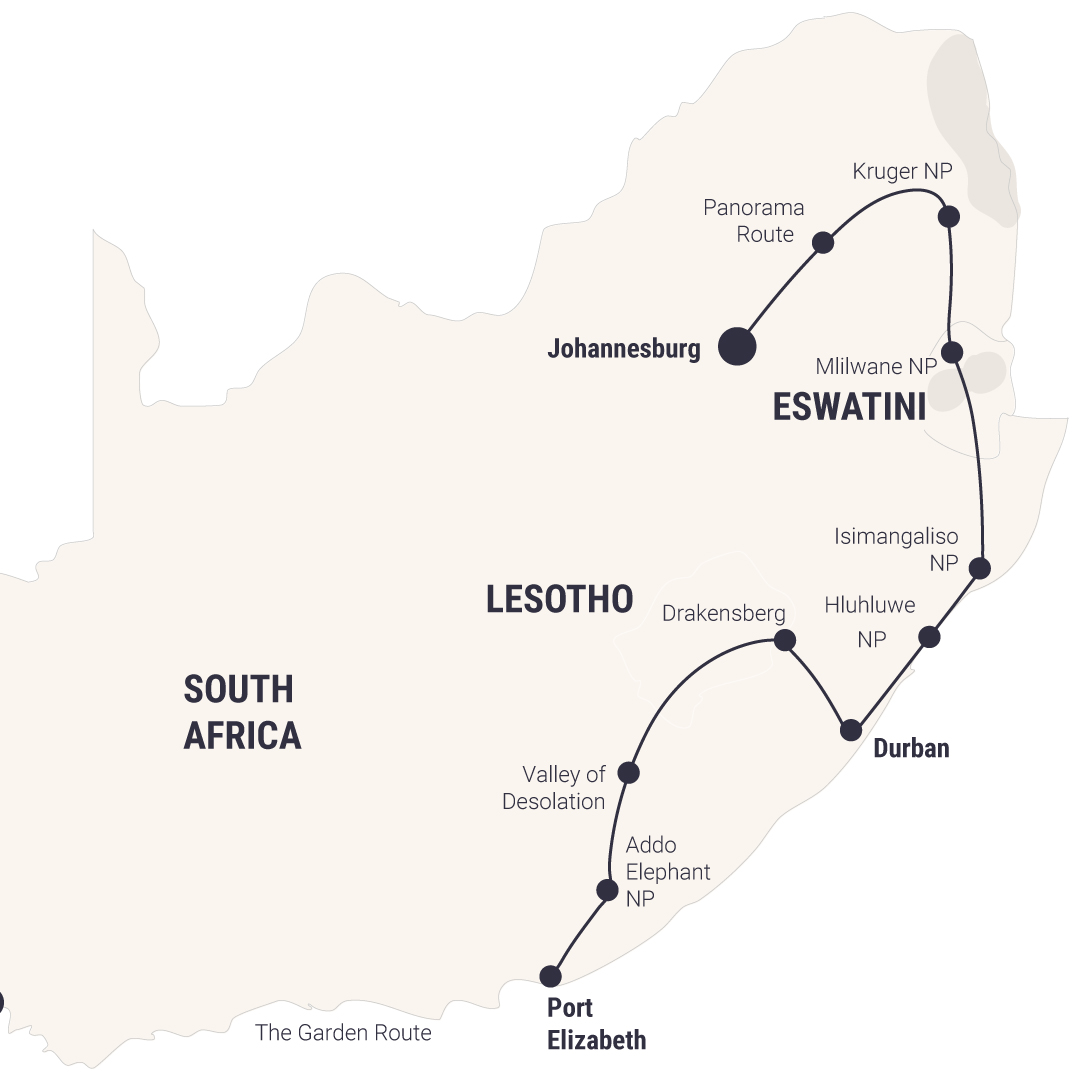
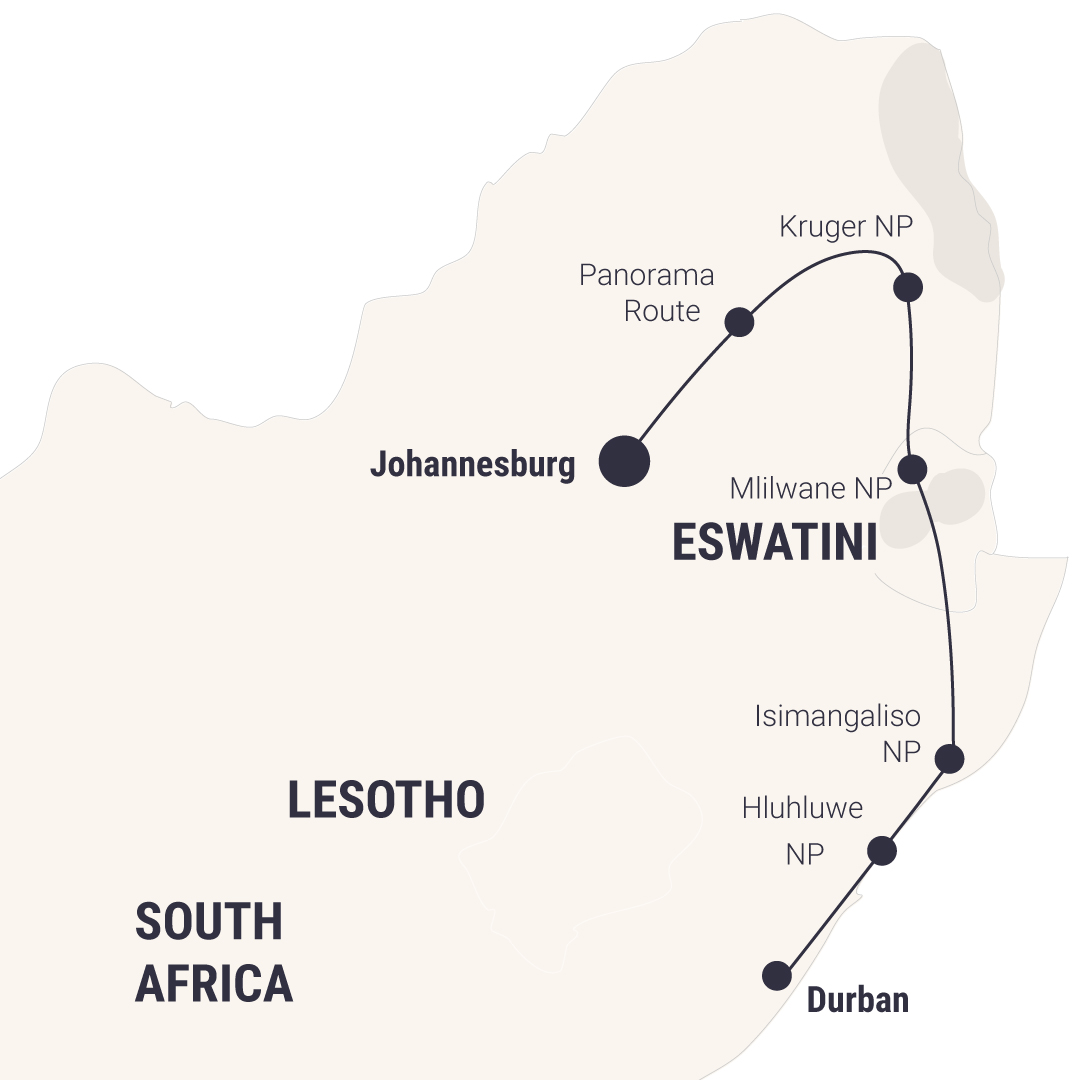
Eswatini

The kingdom of rich traditions and rolling hills, offers intimate wildlife encounters, vibrant culture, and a truly authentic African travel experience

Eswatini, Africa’s hidden gem, offers rich culture, stunning scenery, and intimate wildlife encounters. From traditional festivals to rhino tracking in community-run reserves, this small kingdom delivers authentic, eco-conscious travel with big rewards for nature lovers, adventurers, and cultural explorers alike.

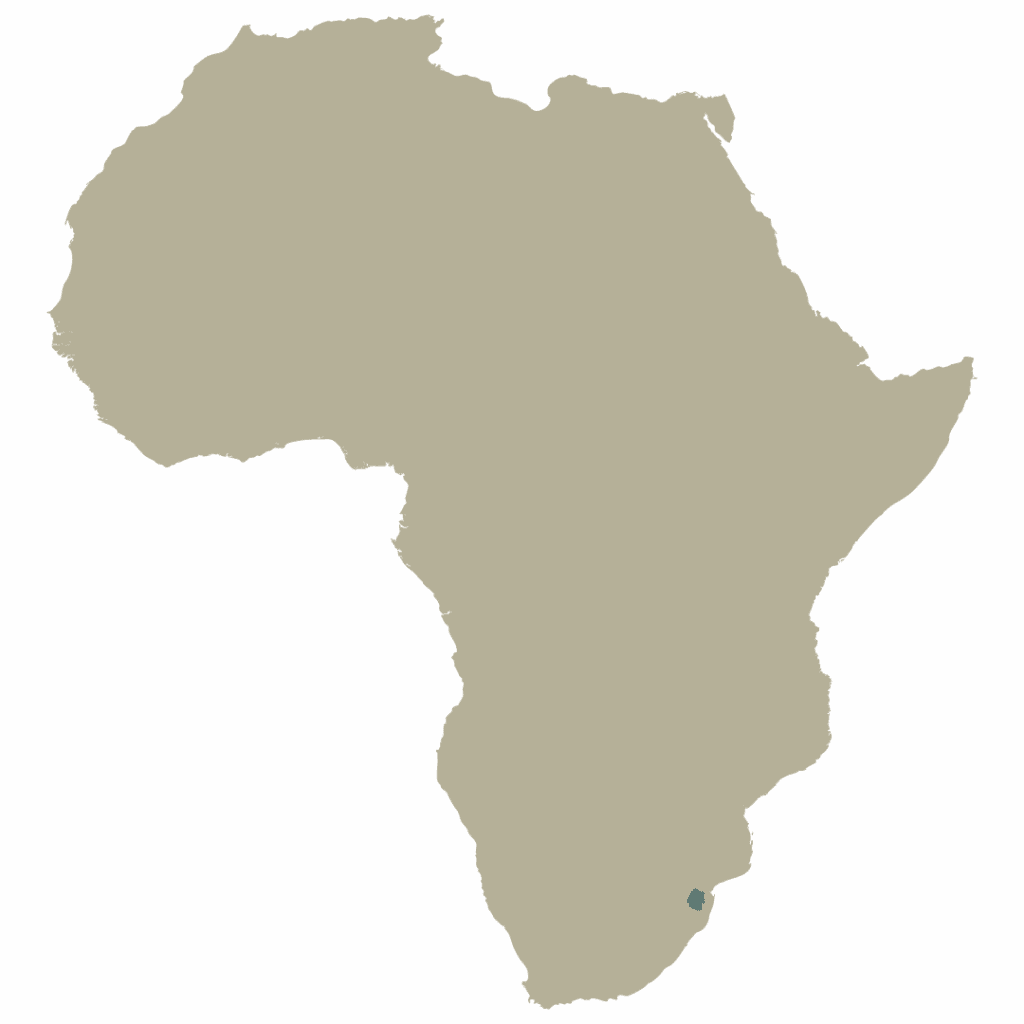
Tucked between South Africa and Mozambique, Eswatini (formerly Swaziland) is one of Africa’s smallest countries, but what it lacks in size, it makes up for in rich culture, striking scenery, and warm hospitality. This peaceful kingdom is a haven for eco-tourists and nature lovers looking for immersive, off-the-beaten-path experiences.

Culture & People

Eswatini’s heart lies in its vibrant culture. As one of the last remaining absolute monarchies in the world, the country holds fast to centuries-old traditions. Visitors can witness colourful ceremonies such as the Umhlanga Reed Dance and Incwala, which celebrate womanhood, harvest, and unity. The Swazi people are known for their friendliness and strong community values, offering genuine, welcoming interactions throughout the country.

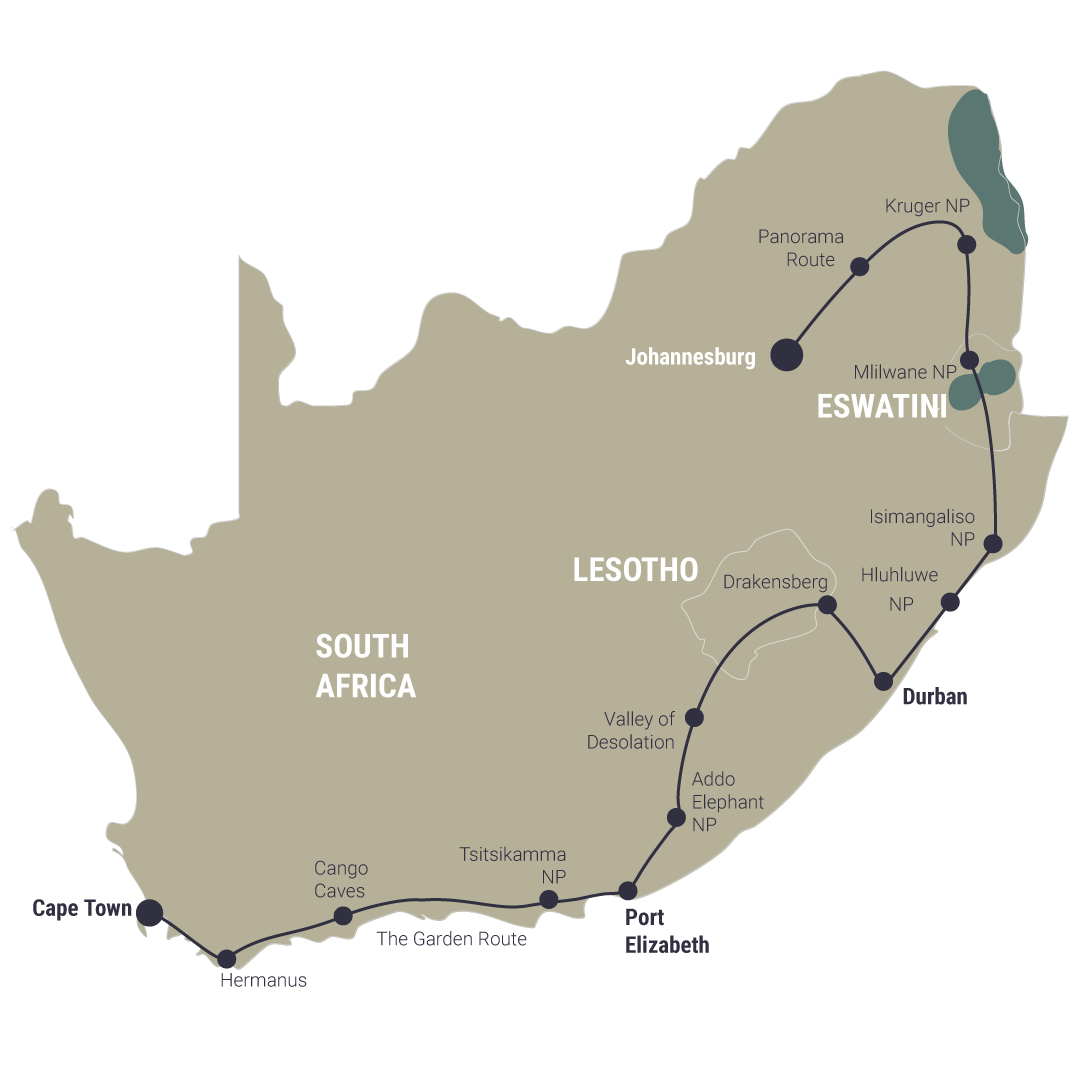
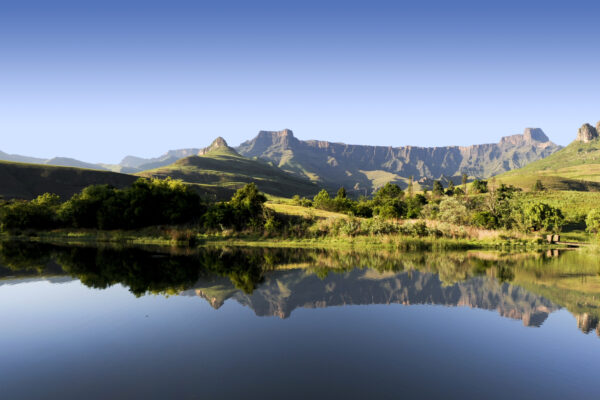
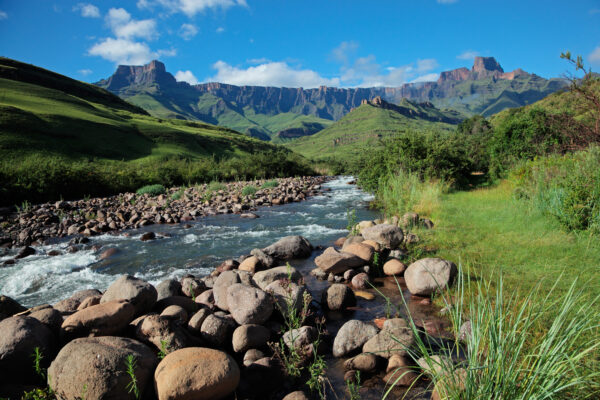
Despite its compact size, Eswatini boasts a surprising diversity of landscapes—from lush valleys and misty highlands to savannah plains and forested mountains. This natural beauty is protected through a network of reserves and community-run conservation areas, such as Mlilwane Wildlife Sanctuary, Hlane Royal National Park, and Mkhaya Game Reserve.

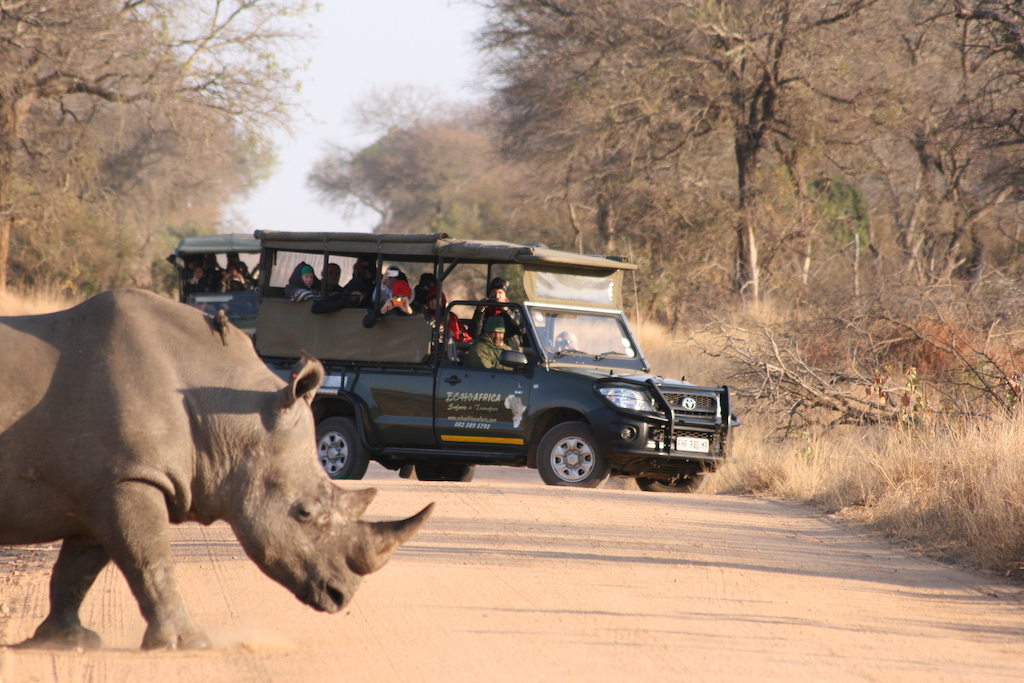
These parks promote low-impact, sustainable tourism and are home to a variety of wildlife, including white rhino, elephants, giraffes, and abundant birdlife. Many reserves are involved in community empowerment, combining tourism with local economic upliftment and conservation education.

Eswatini offers travellers an intimate safari experience, scenic hiking trails, cultural encounters, and thrilling activities like white-water rafting and canopy tours. With short travel distances, friendly locals, and a laid-back pace, Eswatini is ideal for slow, meaningful travel. It’s a country where tradition and nature live in harmony—an enriching stop on any Southern Africa itinerary.

Our Eswatini Journeys

Eswatini Quick Facts

Area

17,364 km²

Capital

Mbabane (administrative), Lobamba (royal and legislative)

Languages

Swati (siSwati), English

Time Zone

(GMT+02:00) Central Africa Time (CAT)

Electrical Plug

Type M (South African 3-pin), Type G (British 3-pin)

Population

Est. 1,2 million (as of 2025)

Currency

Swazi Lilangeni (SZL) – pegged 1:1 to the South African Rand (ZAR)

Yes — most travellers from Europe, the USA, Canada, Australia, and many other countries require a tourist visa to enter Eswatini.
However, many nationalities are visa-exempt for stays of up to 30 days—check with your nearest Eswatini embassy or the official government portal to confirm.
If a visa is required, it must be applied for in advance at an Eswatini embassy or consulate.
Your passport must be valid for at least 6 months and contain at least two blank pages for entry stamps.
A Yellow Fever vaccination certificate is only required if you are arriving from or transiting through a Yellow Fever–endemic country.
While no vaccines are mandatory when travelling from Europe or North America, the following are strongly recommended:

  • Hepatitis A

  • Typhoid

  • Tetanus

  • Rabies (especially if visiting rural areas or wildlife reserves)
    Malaria is present in low-lying eastern regions, particularly during the rainy season. Anti-malarial medication is recommended — consult your doctor before travel.

Tap water in Eswatini is not considered safe for drinking.
Stick to bottled or purified water, which is readily available throughout the country.
Use bottled water for brushing teeth, and avoid ice unless you’re sure it was made from filtered water.

Yes — Wi-Fi is widely available in hotels, lodges, guesthouses, and cafes in towns like Mbabane and Manzini.
In rural areas or game parks, access may be limited or slower.
For better coverage, you can purchase a local SIM card with a data bundle from providers like MTN Eswatini or Eswatini Mobile.

Visa and MasterCard are accepted in many hotels, restaurants, and lodges, especially in urban centres.
However, Eswatini is still largely cash-based, particularly in smaller towns and markets.
The local currency is the Swazi Lilangeni (SZL), which is pegged 1:1 to the South African Rand (ZAR) — both are accepted.
Carry cash for day-to-day expenses and use ATMs in larger towns when needed.

Yes — Eswatini has good mobile coverage in most towns and tourist areas.
You can easily purchase a local SIM card from providers like MTN Eswatini or Eswatini Mobile with your passport.
SIM cards and data packages are affordable and easy to activate. International roaming is available but can be expensive, so a local SIM is ideal for most travellers.