TANZANIA

Where the wild runs free, the mountains touch the sky, and every sunrise tells an untamed story.

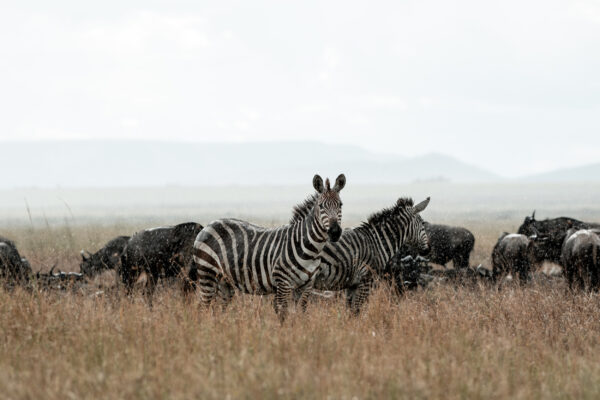
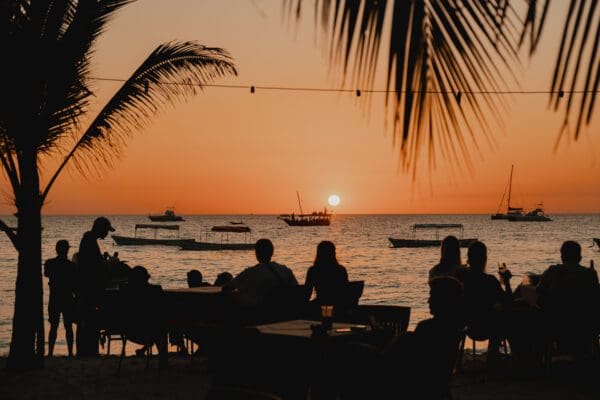
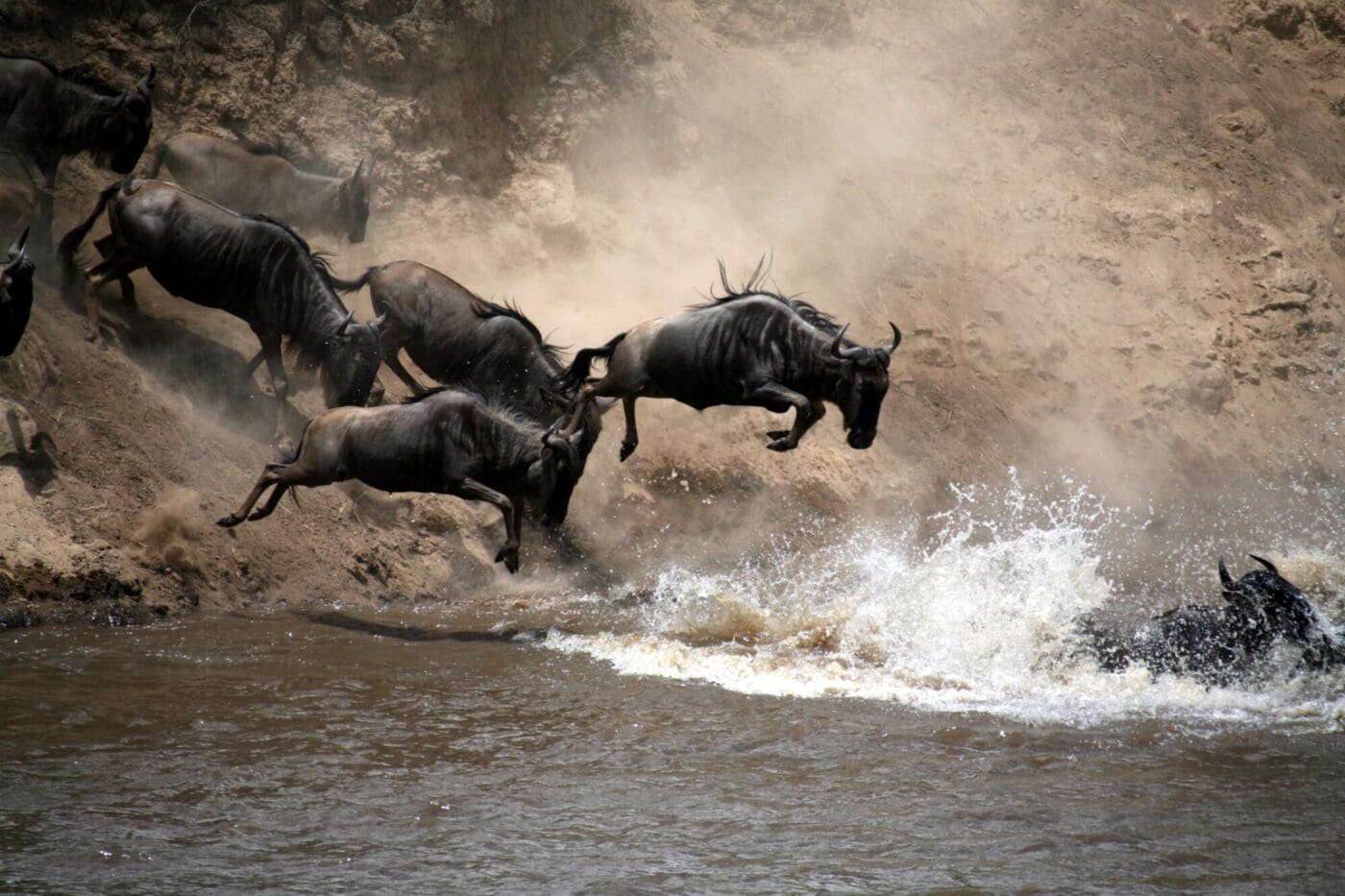
Tanzania captivates with its stunning natural beauty, where the Serengeti hosts epic wildlife migrations, Mount Kilimanjaro towers over the plains, and Zanzibar’s pristine beaches beckon. Ancient cultures and breathtaking landscapes define this East African paradise, a true adventurer's dream.

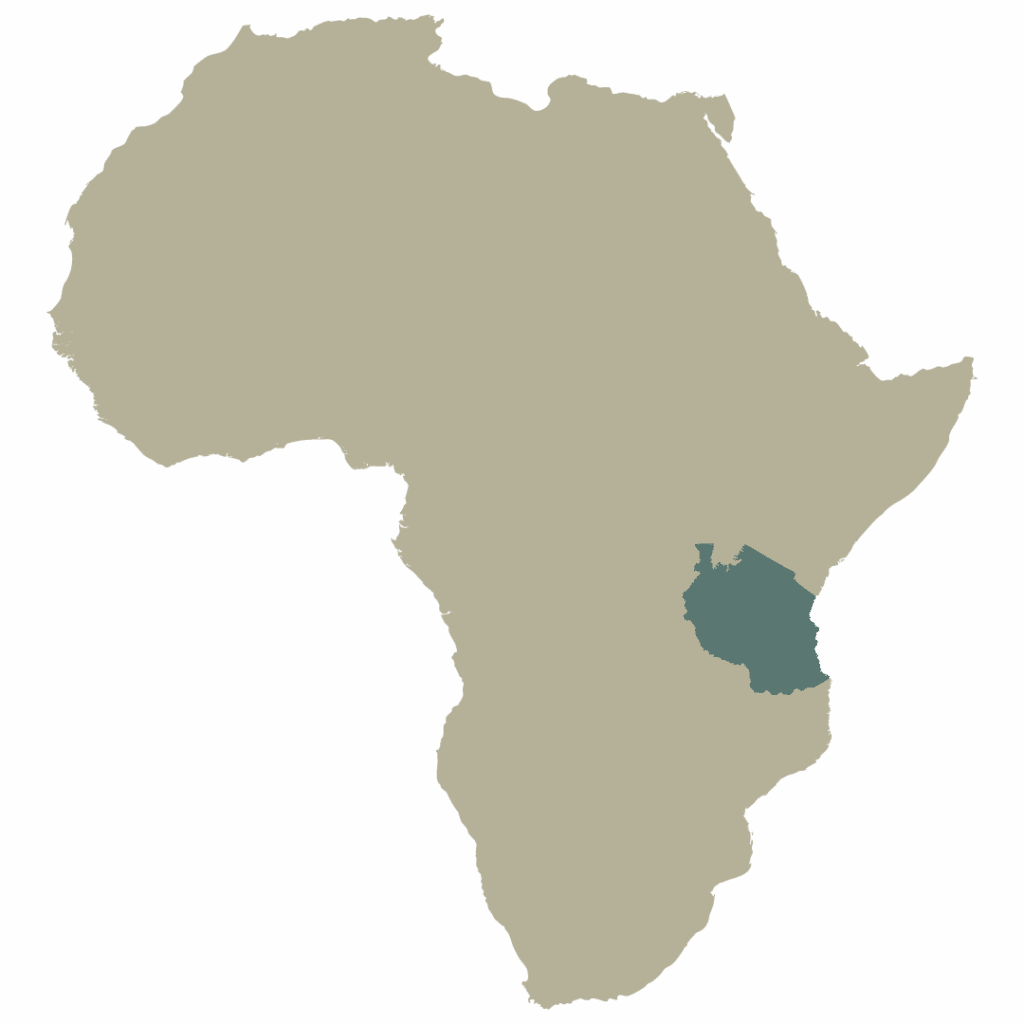
Tanzania, nestled in Eastern Africa, shares borders with Kenya and Uganda to the north, Rwanda, Burundi, and the Democratic Republic of Congo to the west, and Zambia, Malawi, and Mozambique to the south. With an Indian Ocean coastline to the east, Tanzania serves as a vital seaport, handling imports and exports for its landlocked neighbors. Since 1996, Dodoma has been the capital, housing the government and parliament, while Dar es Salaam remains the commercial hub and business heart of the nation.

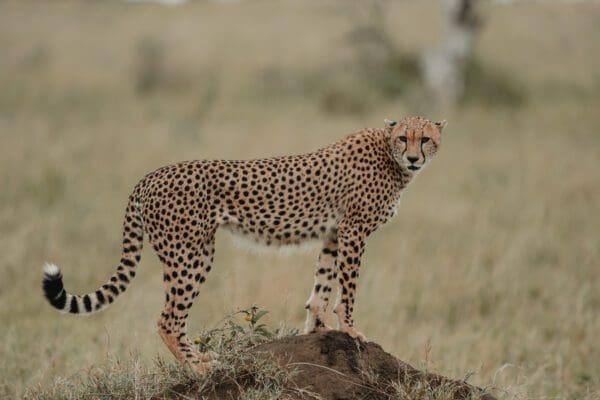
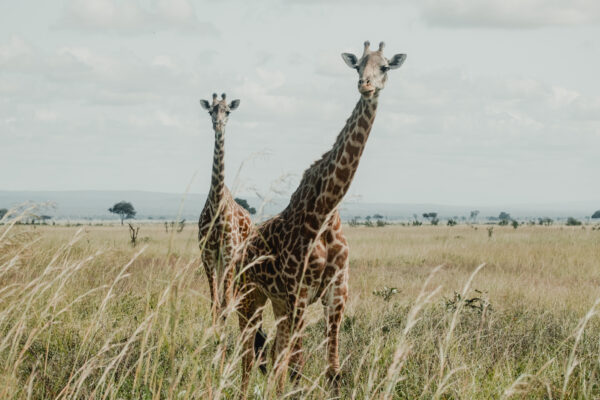
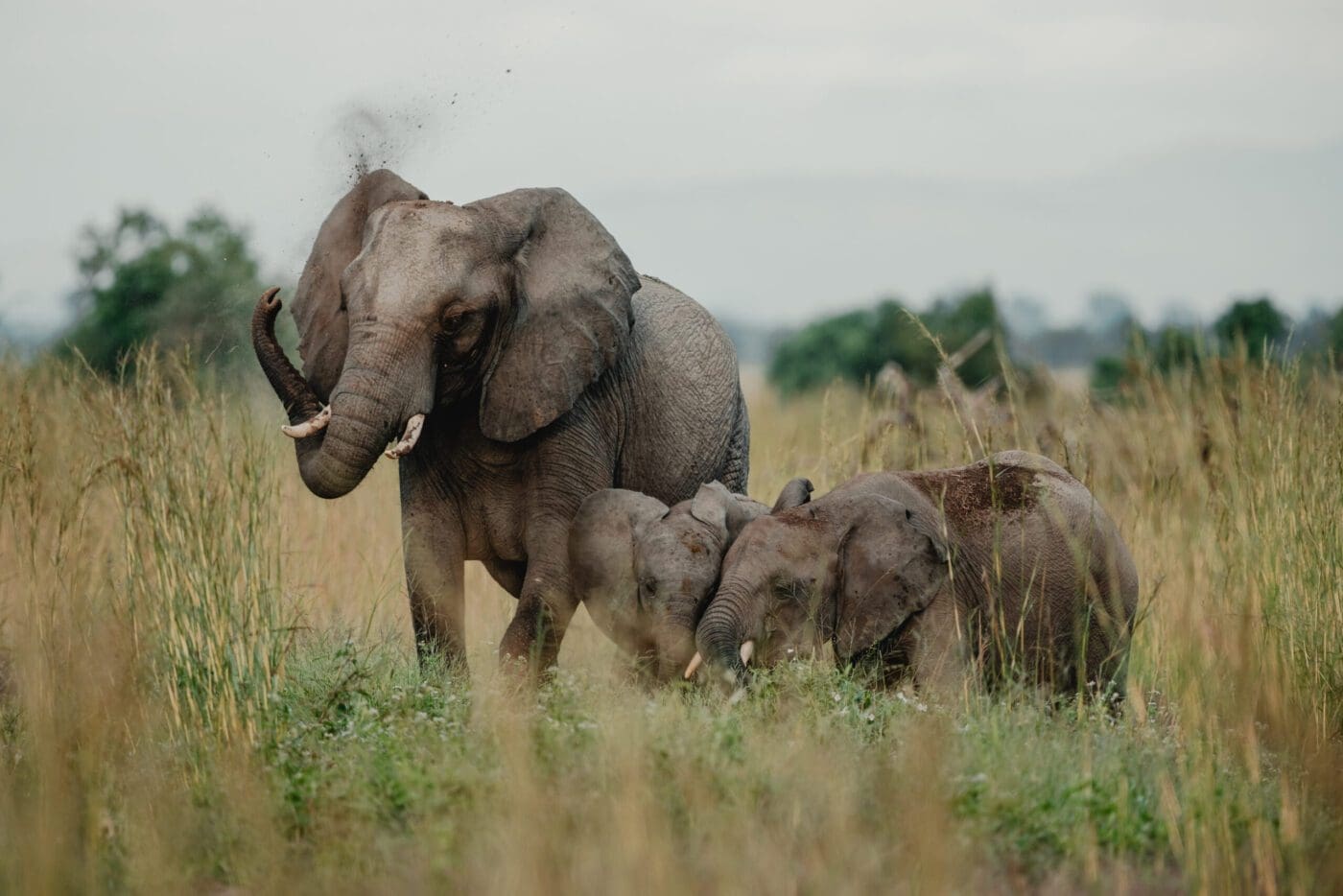
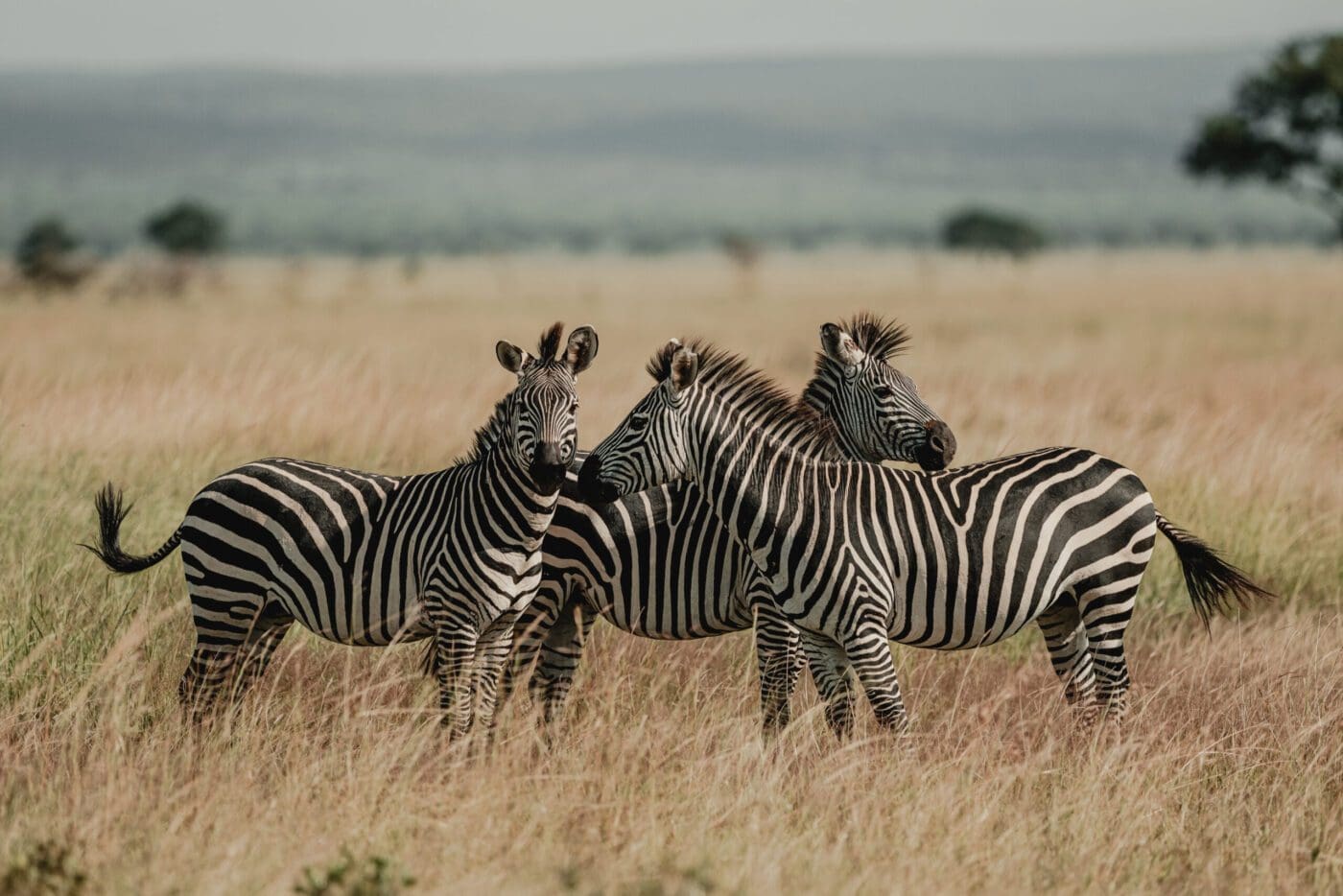
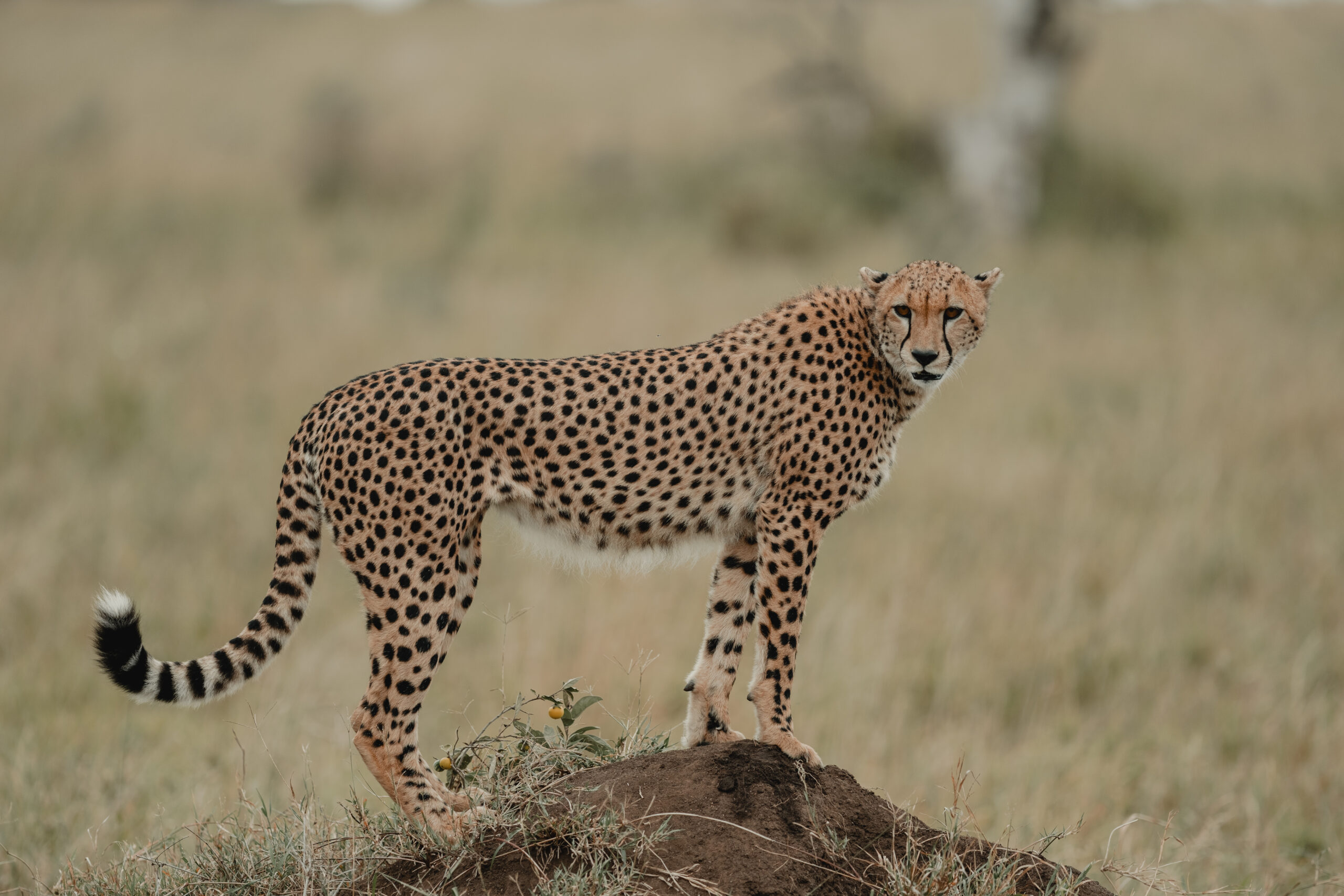
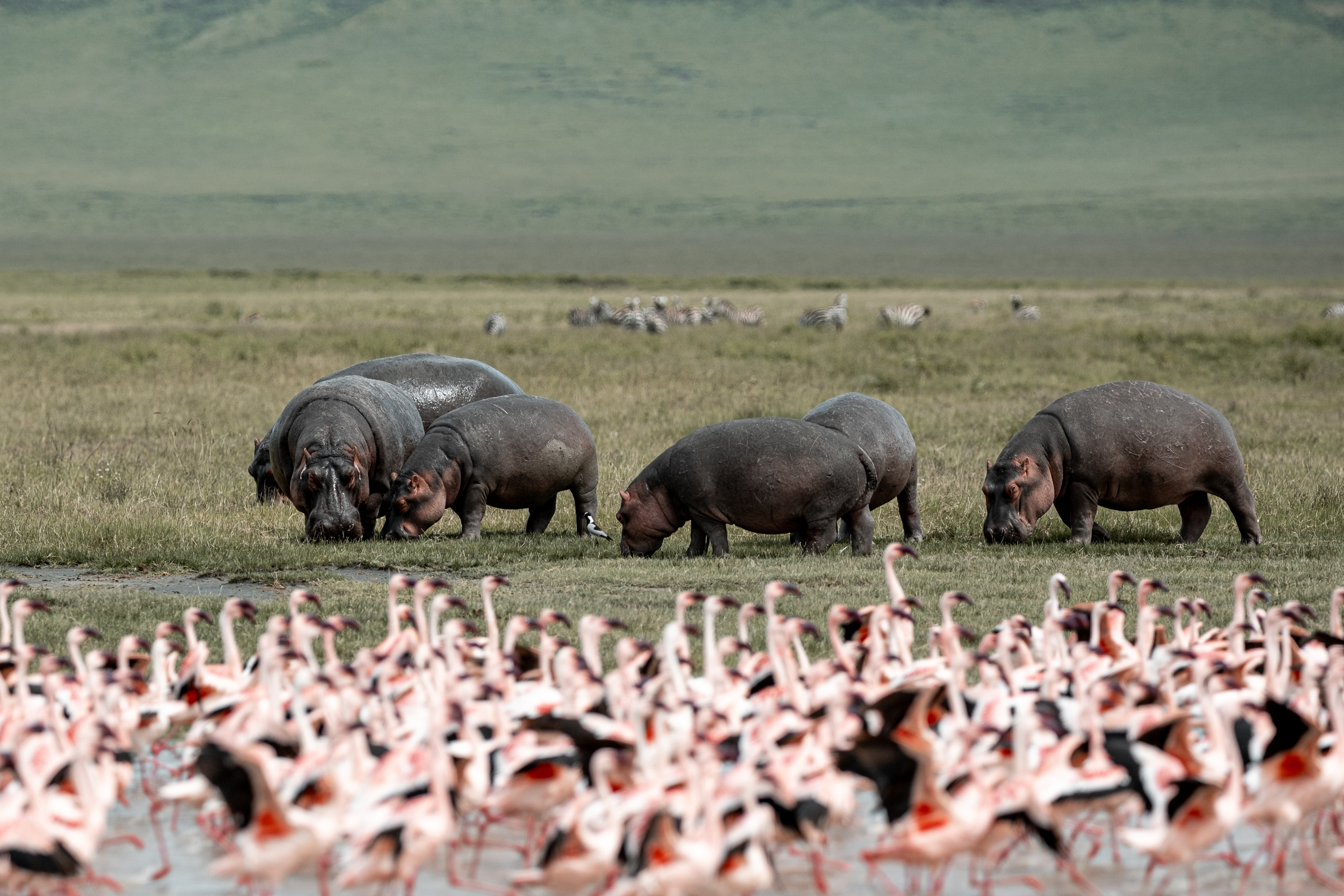
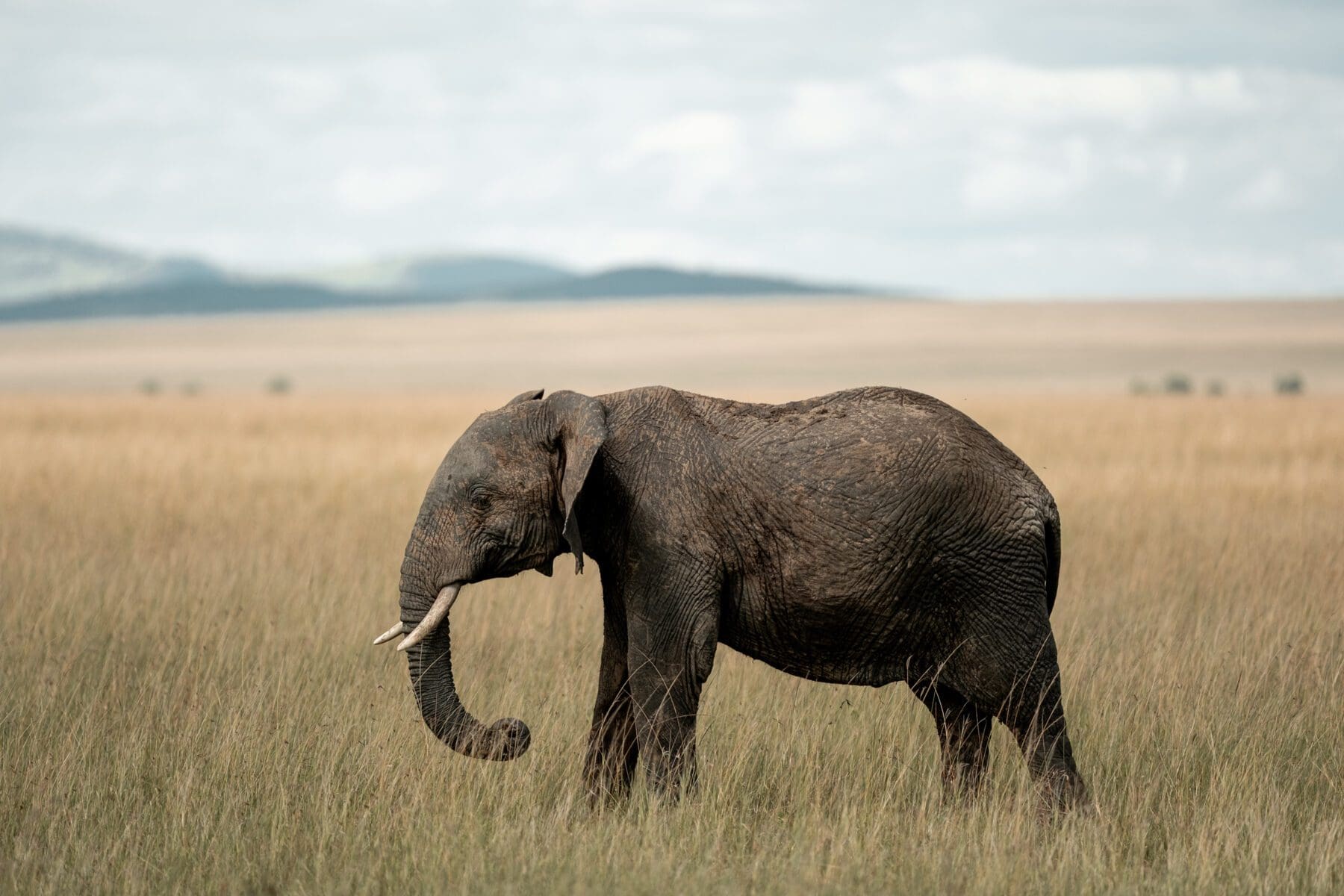
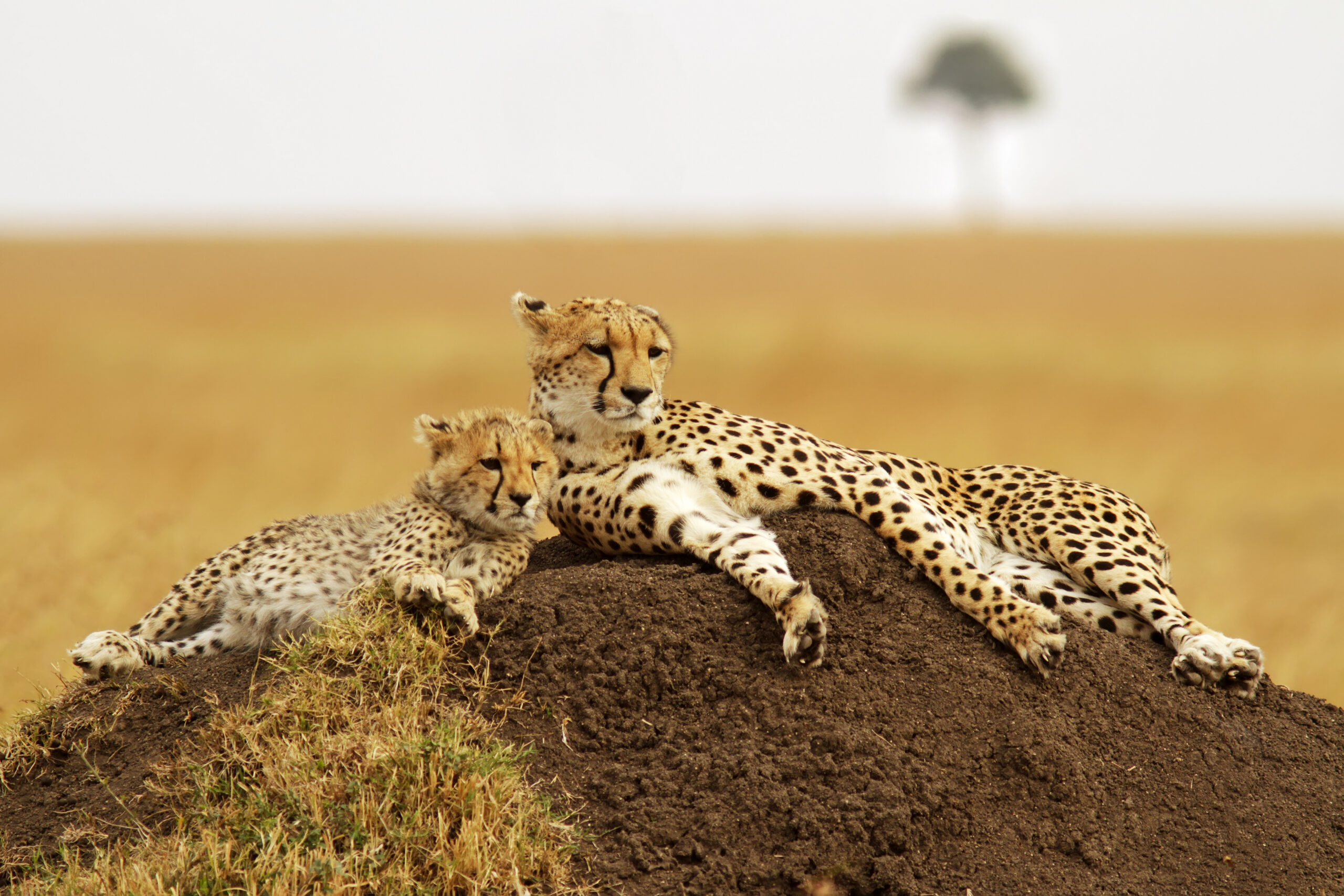
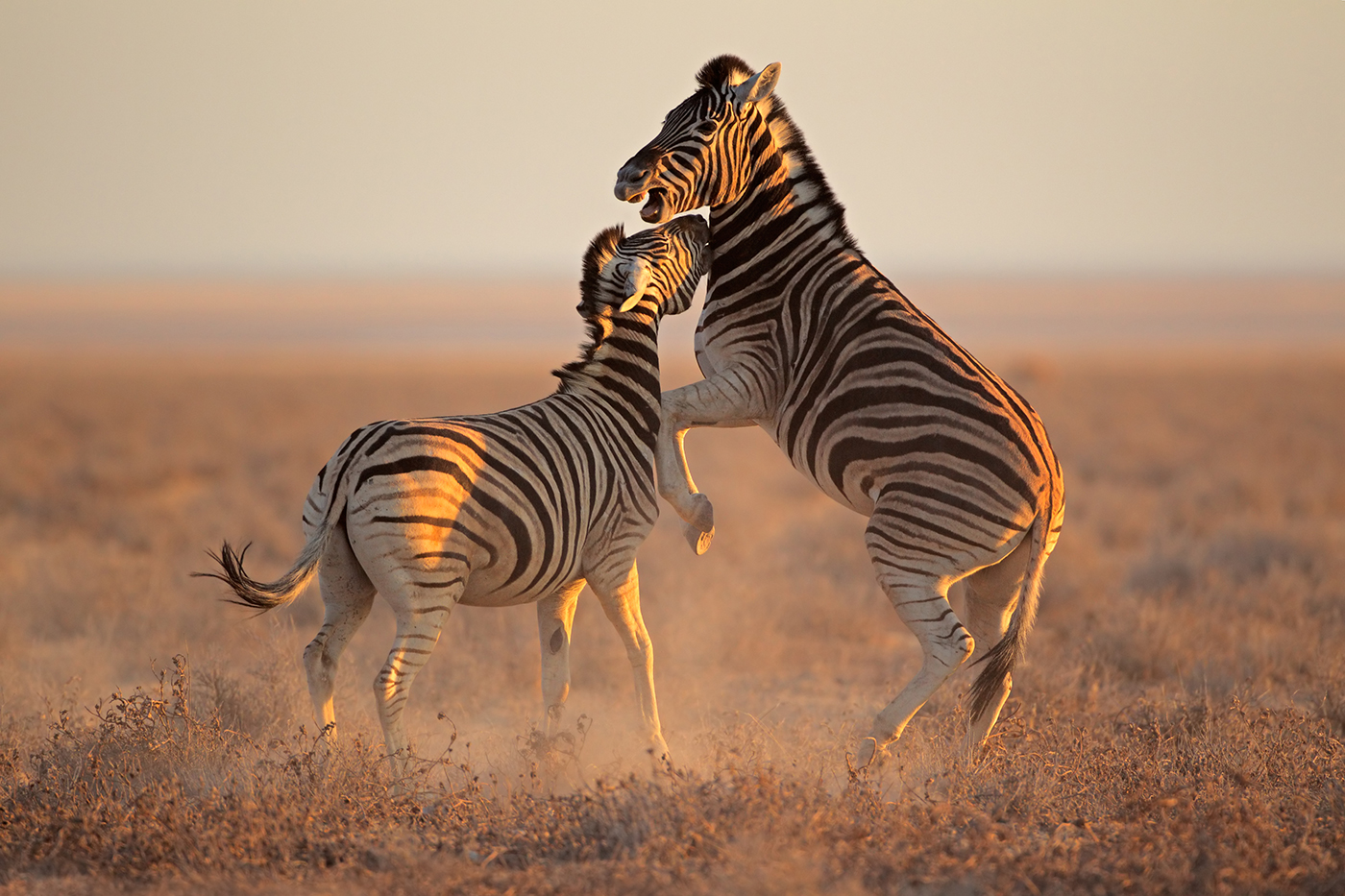
Located just south of the equator, Tanzania enjoys year-round sunshine, with lush terrain nourished by periodic rains and home to a diverse array of wildlife. The Serengeti National Park, spanning over 14,500 square kilometers, is world-famous for its rolling plains, serene beauty, and abundant wildlife, offering unforgettable game drives for visitors.

Tanzania is also home to Mount Kilimanjaro, Africa’s tallest peak and the world’s second-highest free-standing mountain. This formidable and majestic landmark draws adventurers from around the globe, eager to conquer its challenging heights.

A visit to Tanzania promises breathtaking attractions, from the iconic Serengeti and the majestic Mount Kilimanjaro to vibrant local cultures and traditions. Travelers can immerse themselves in the spirit of the nation, enjoying unique experiences like African-style rumba music and gaining a deeper appreciation of this captivating land.

Did you know? 

  • Did you know nearly 30 Percent of Tanzania is National Parks.
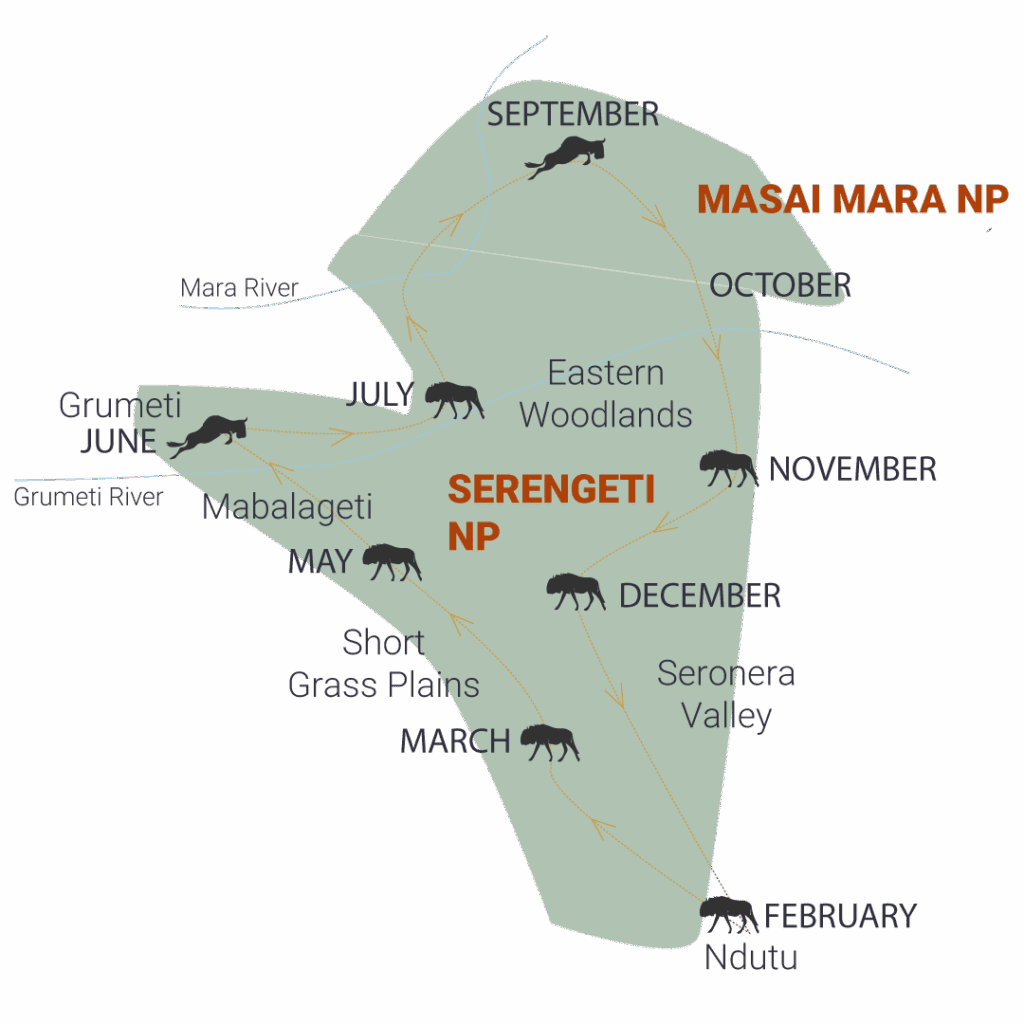
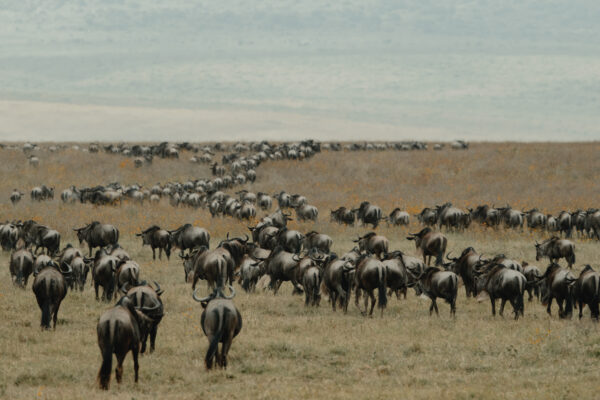
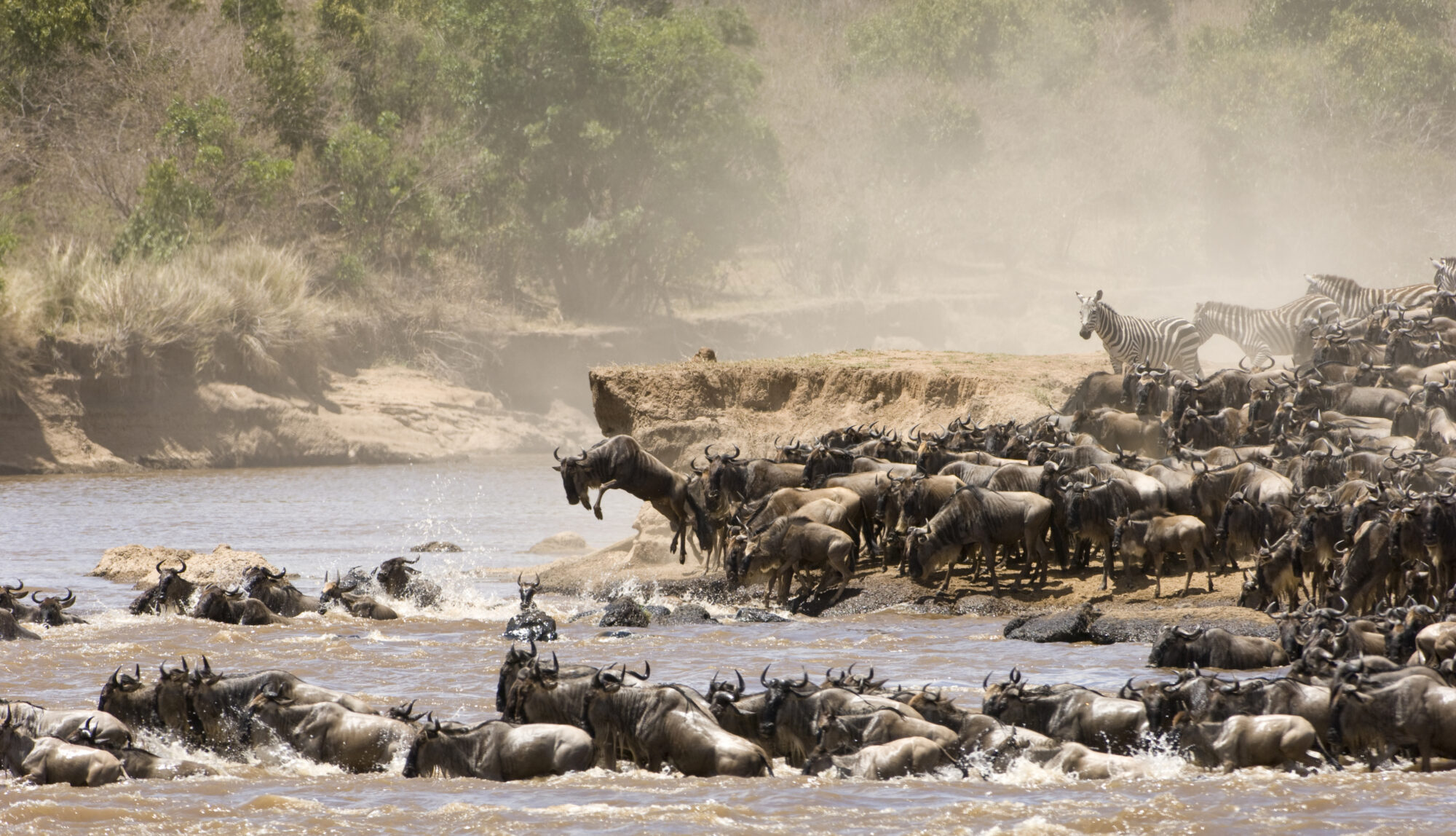
  • Every year during the Great Migration Tanzania sees Over 2 million animals travel across the plains.

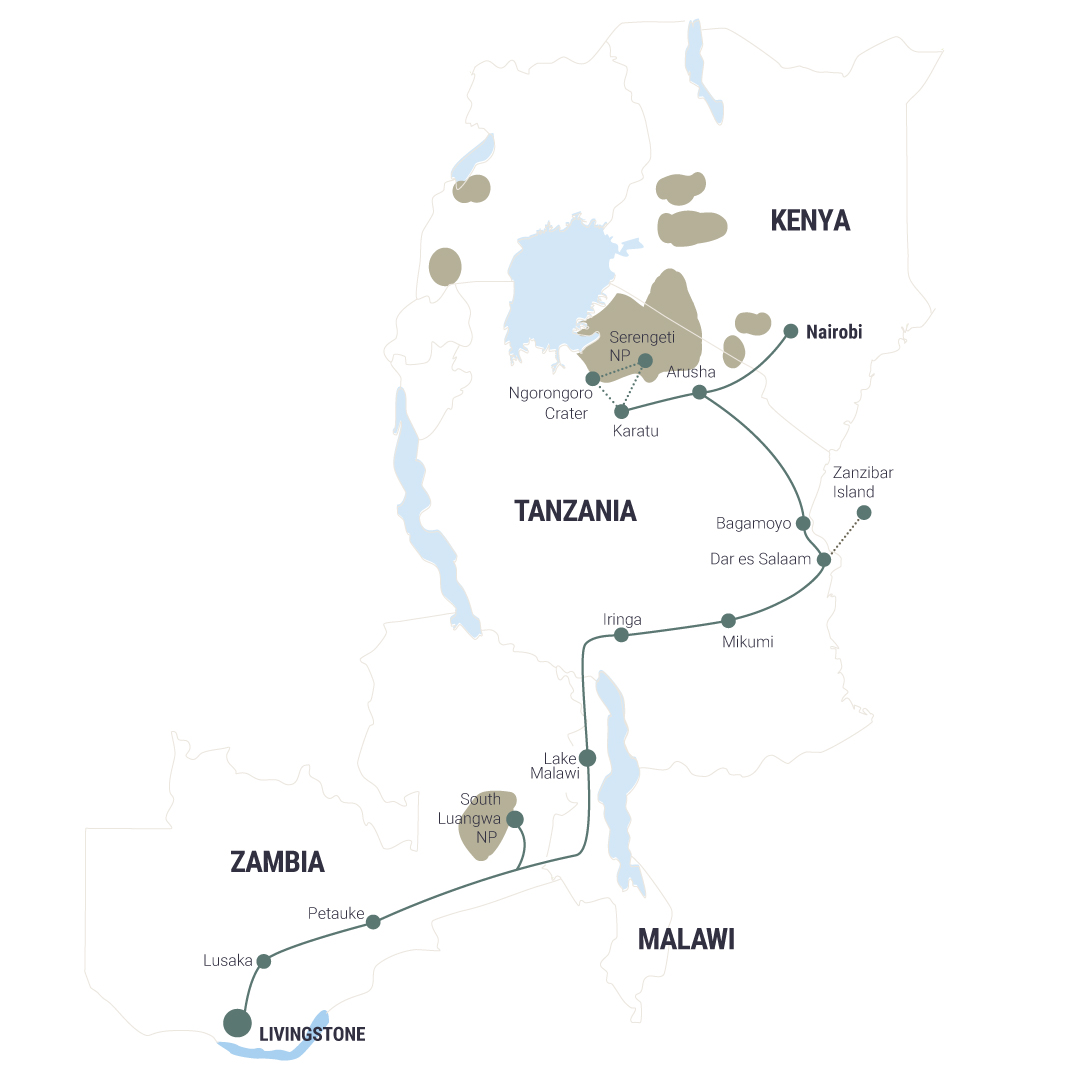
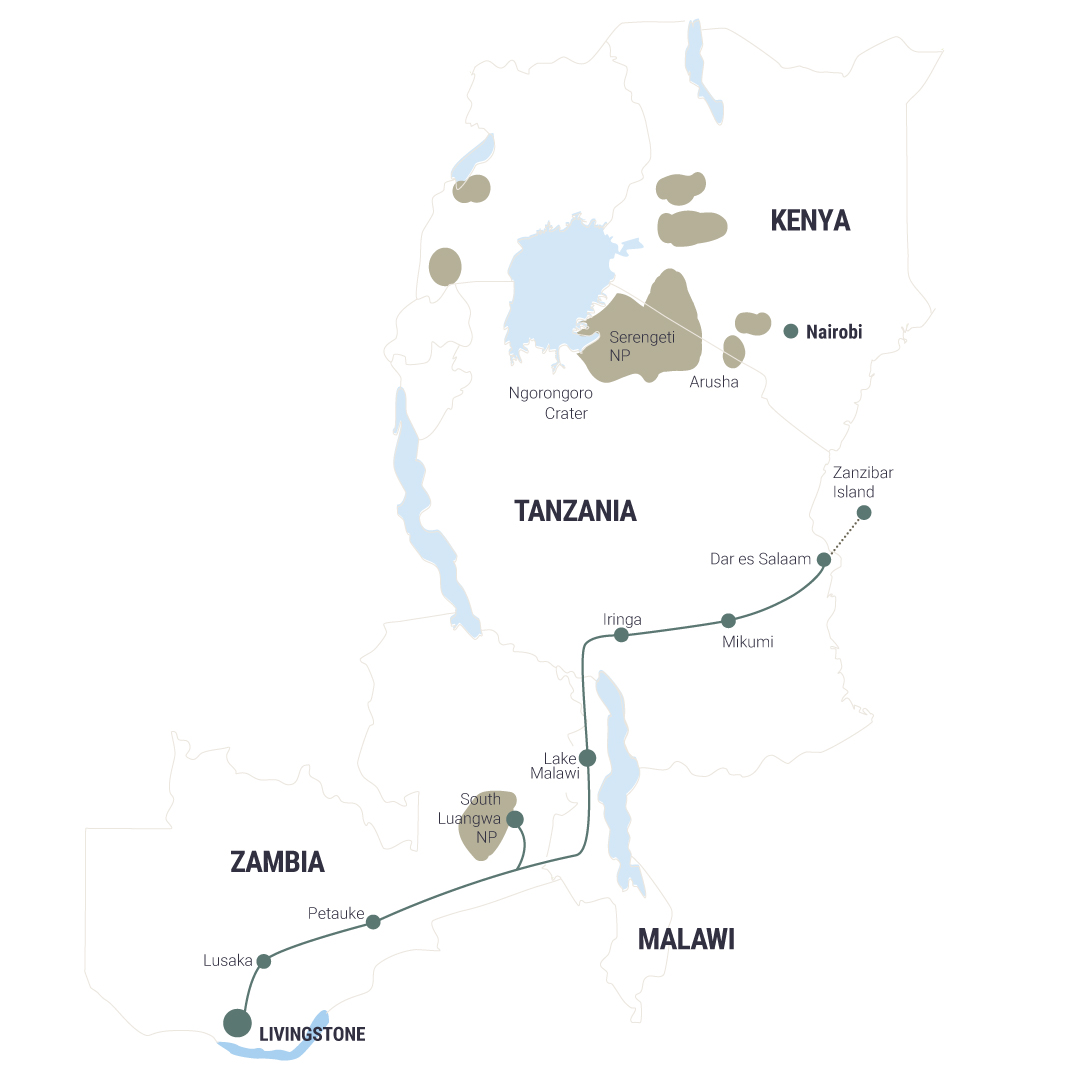
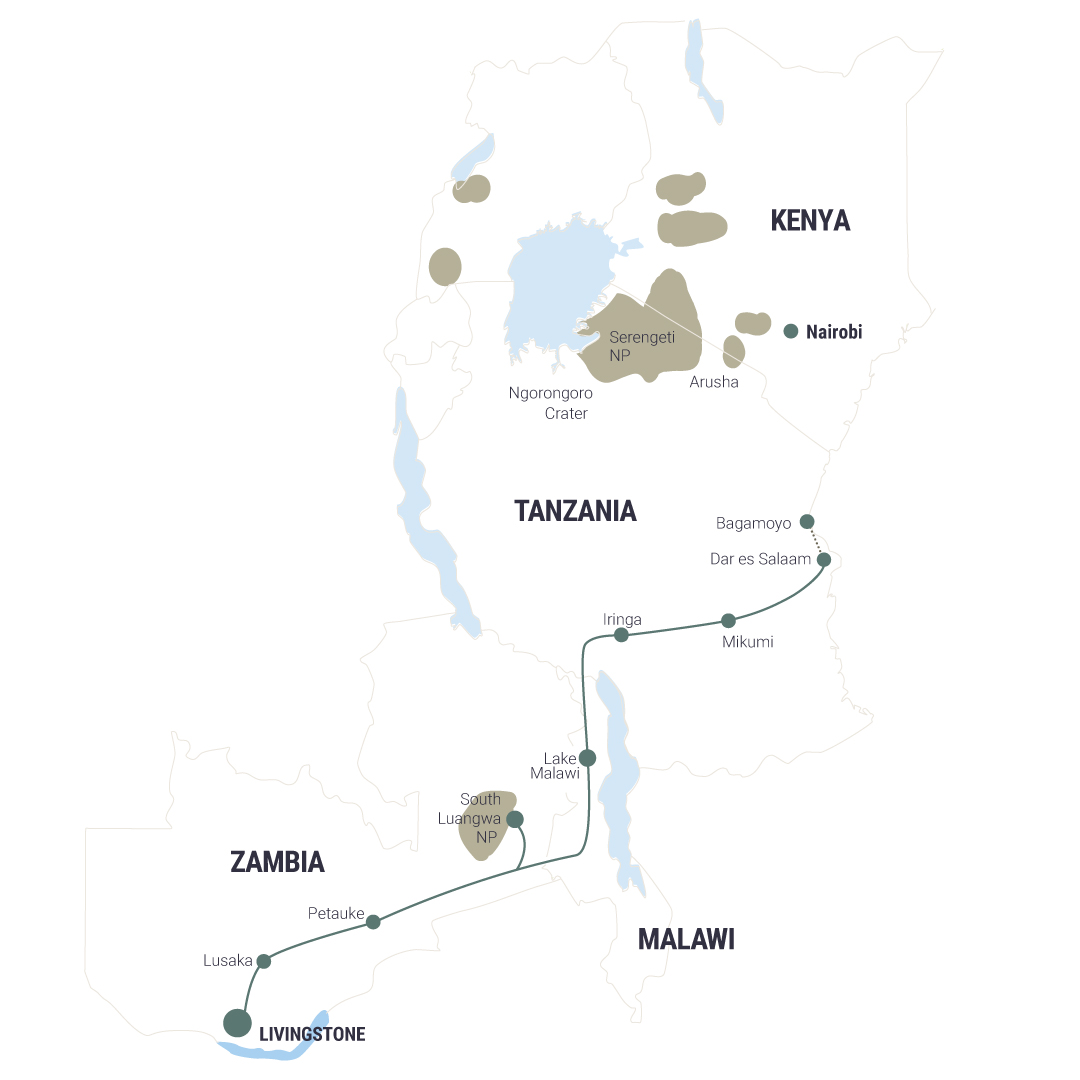
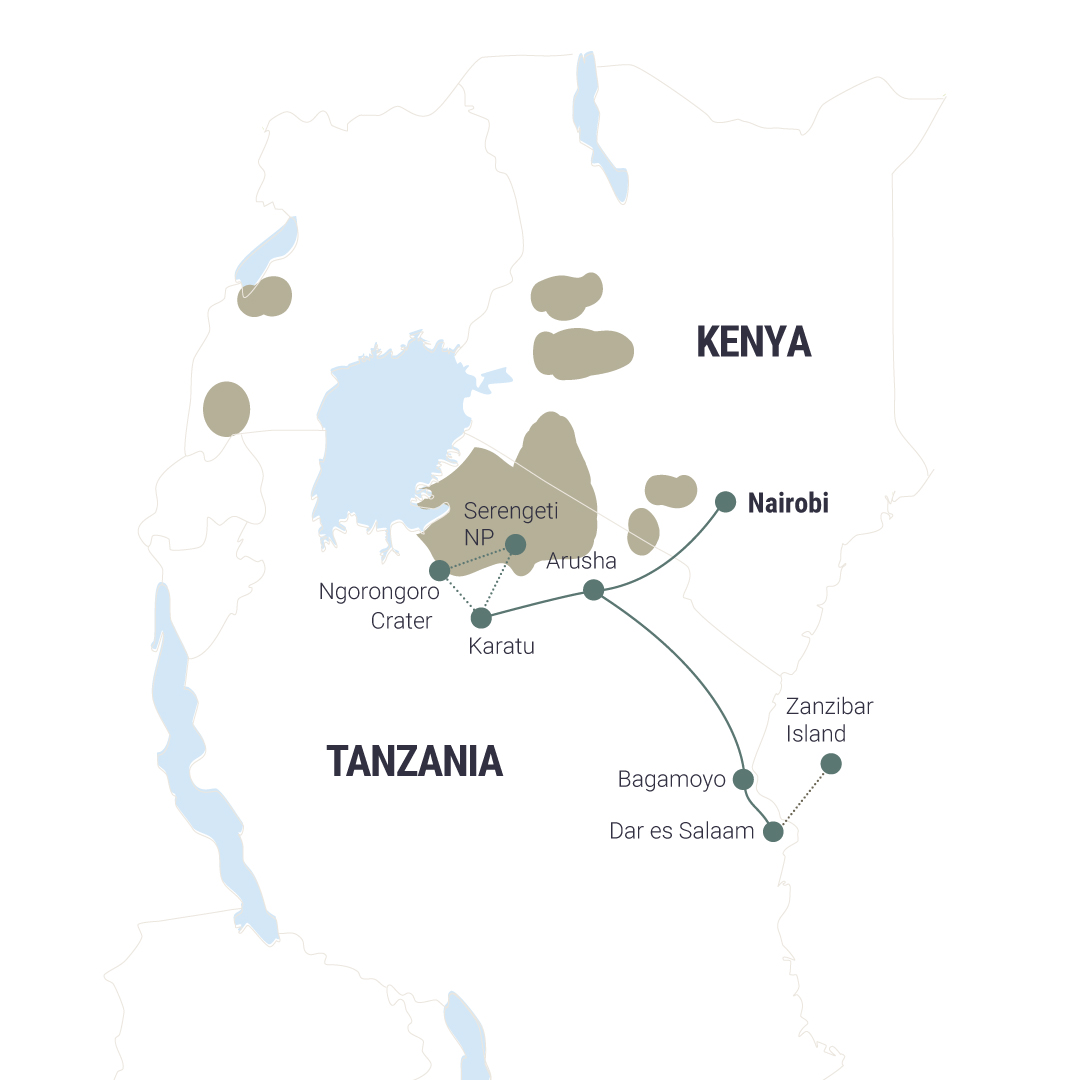
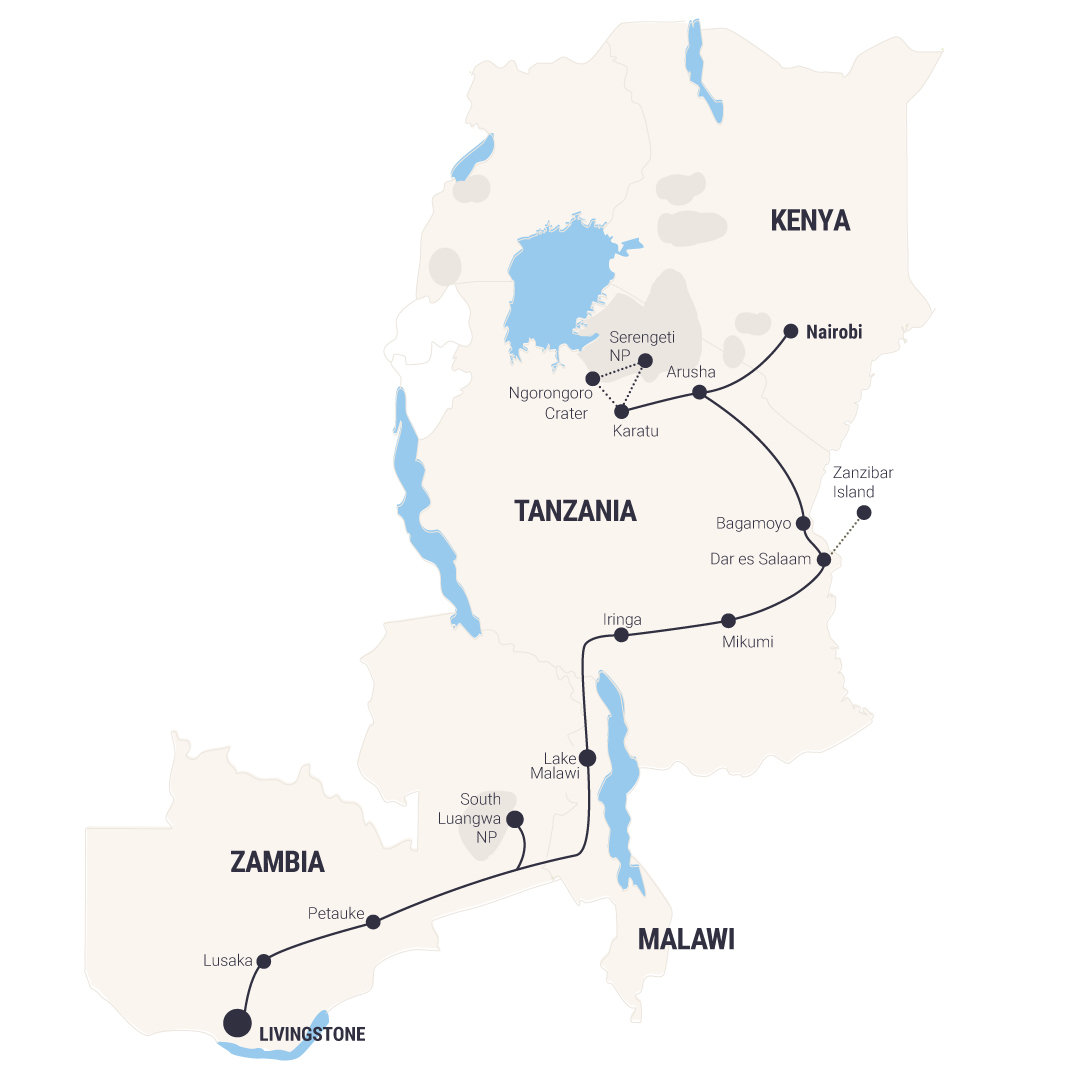
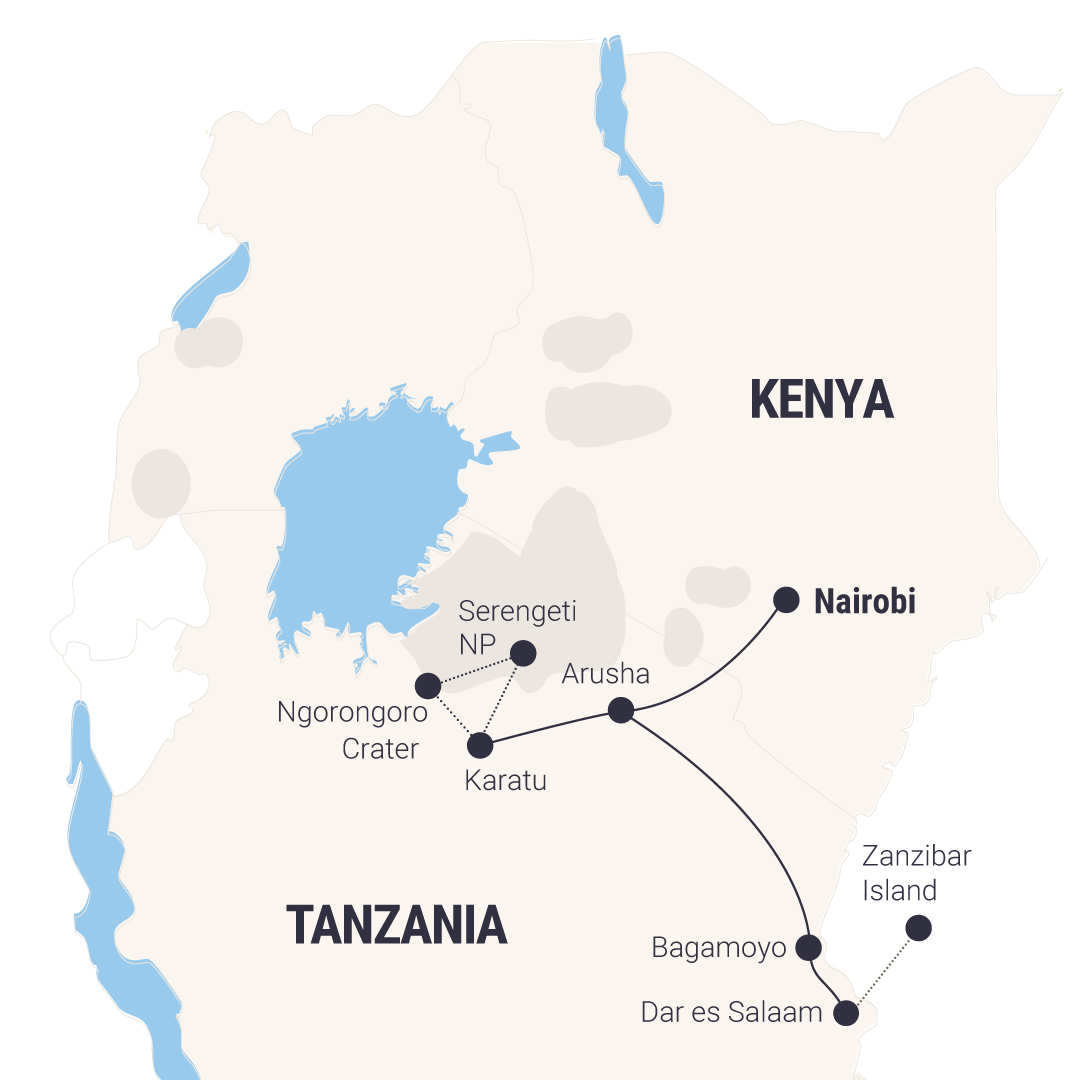
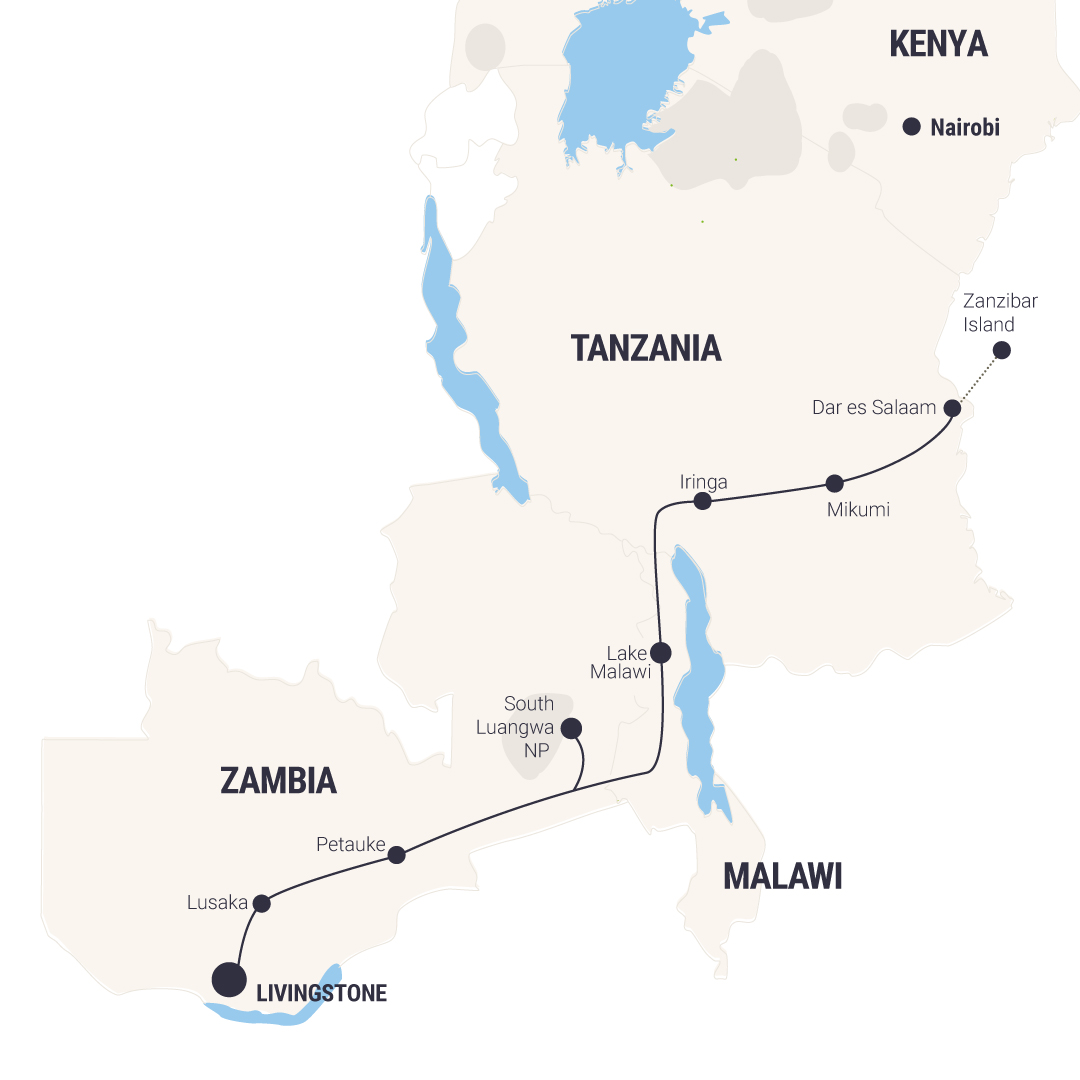
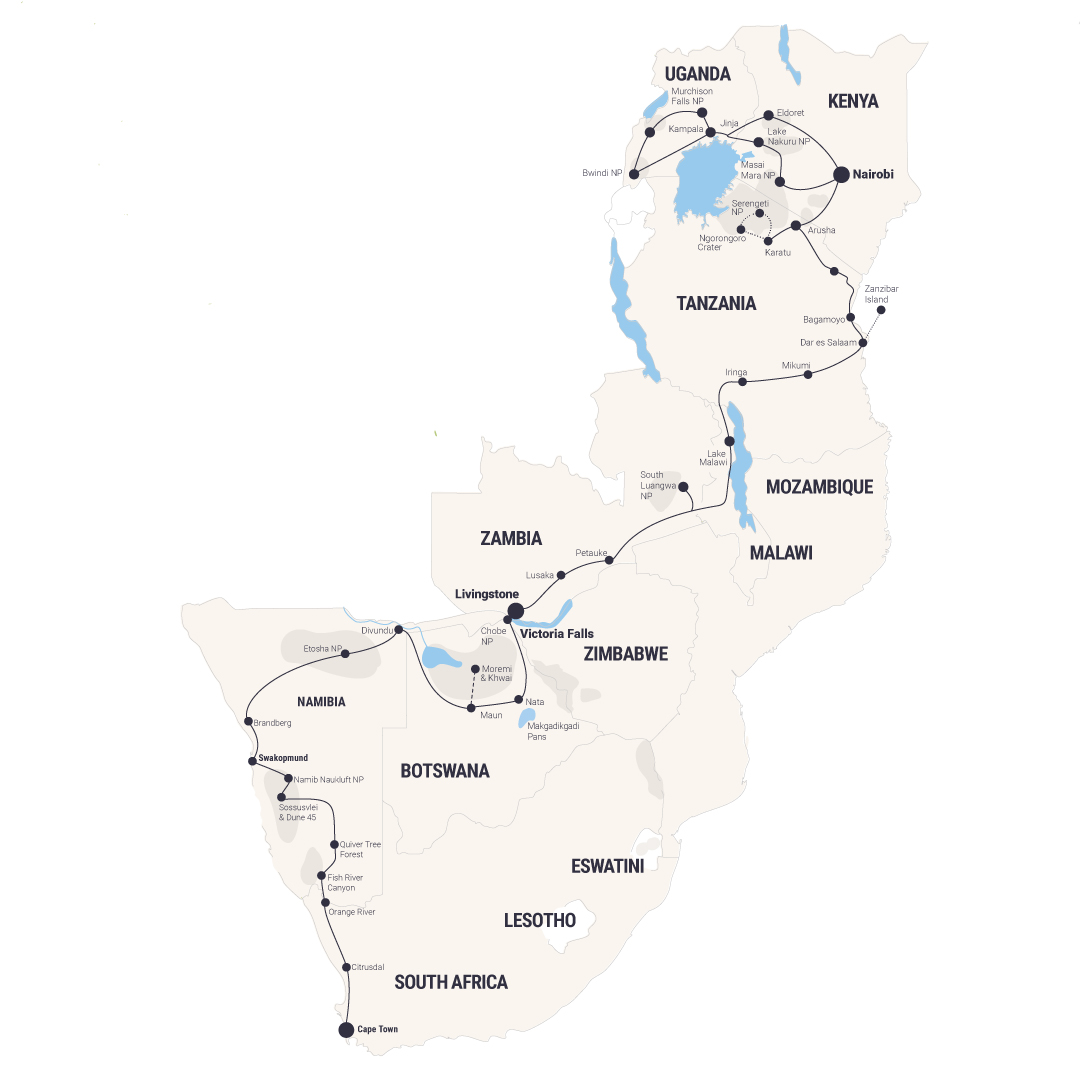
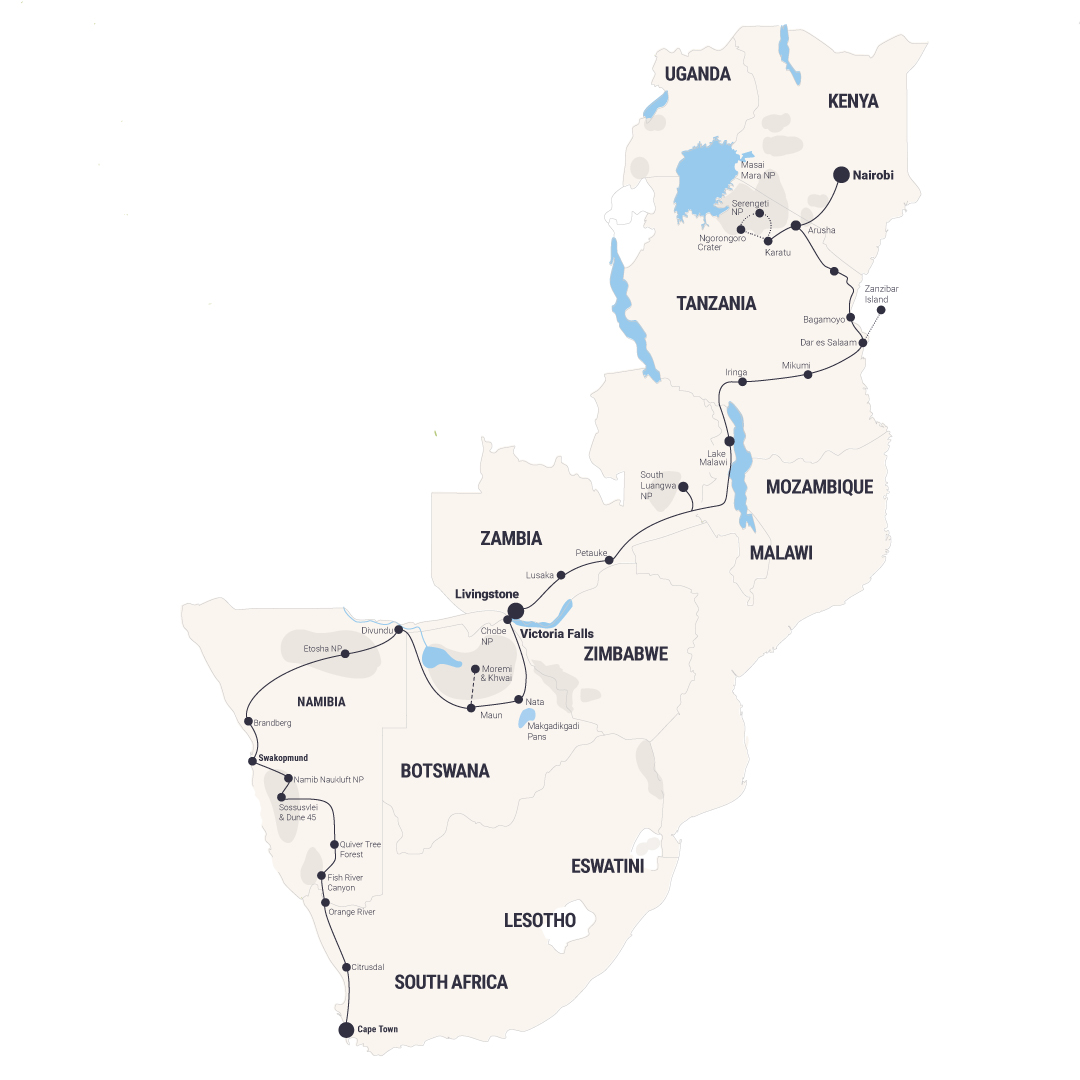
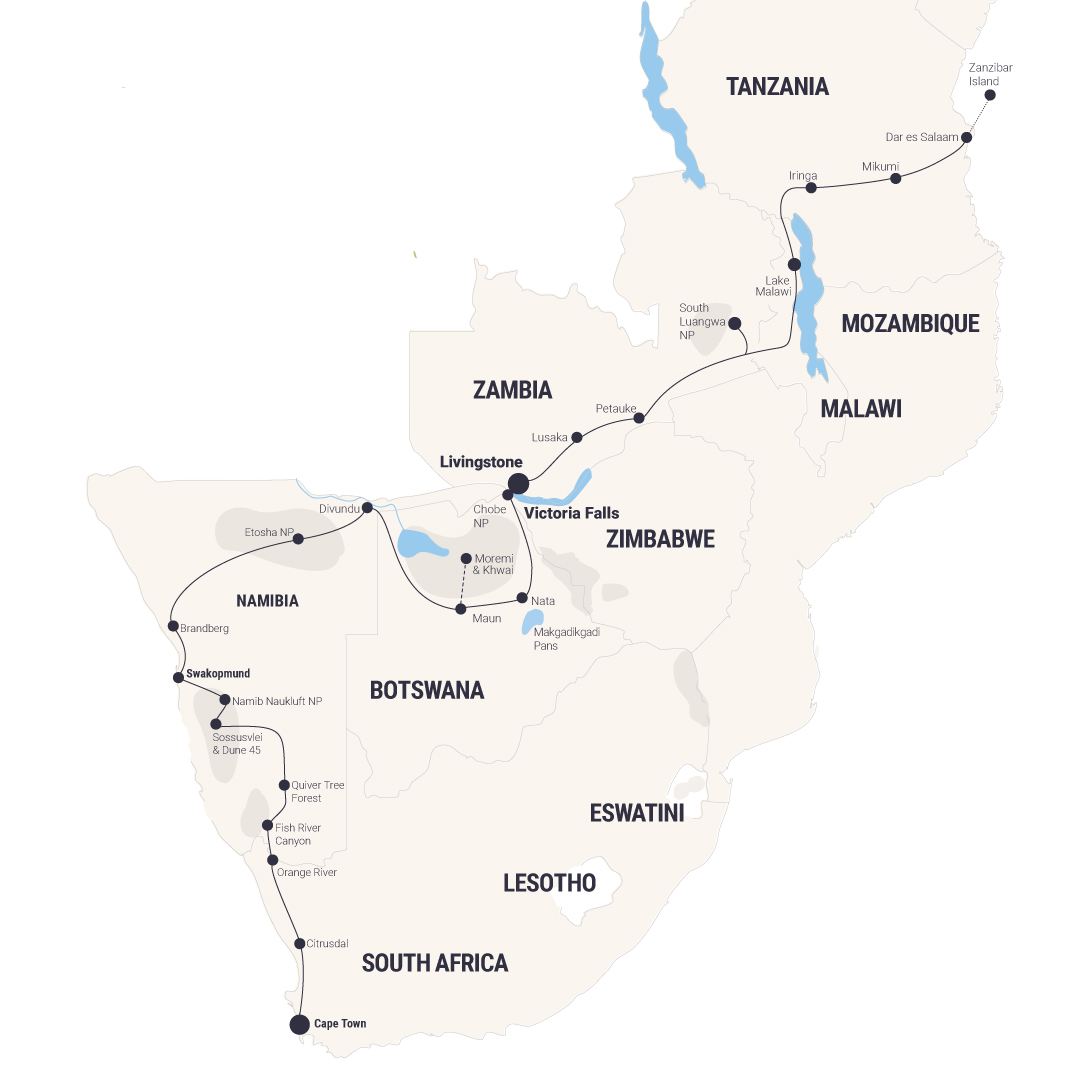
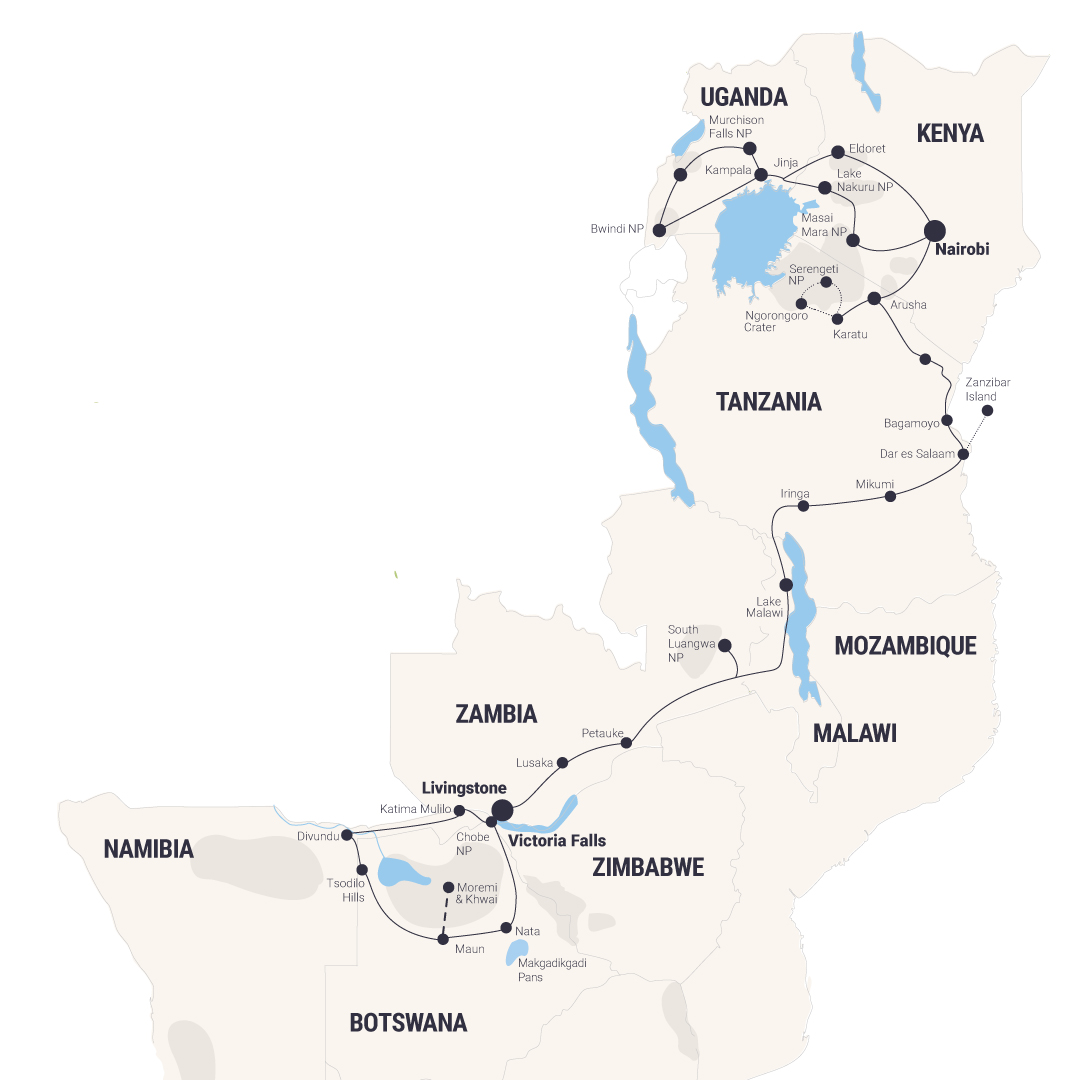
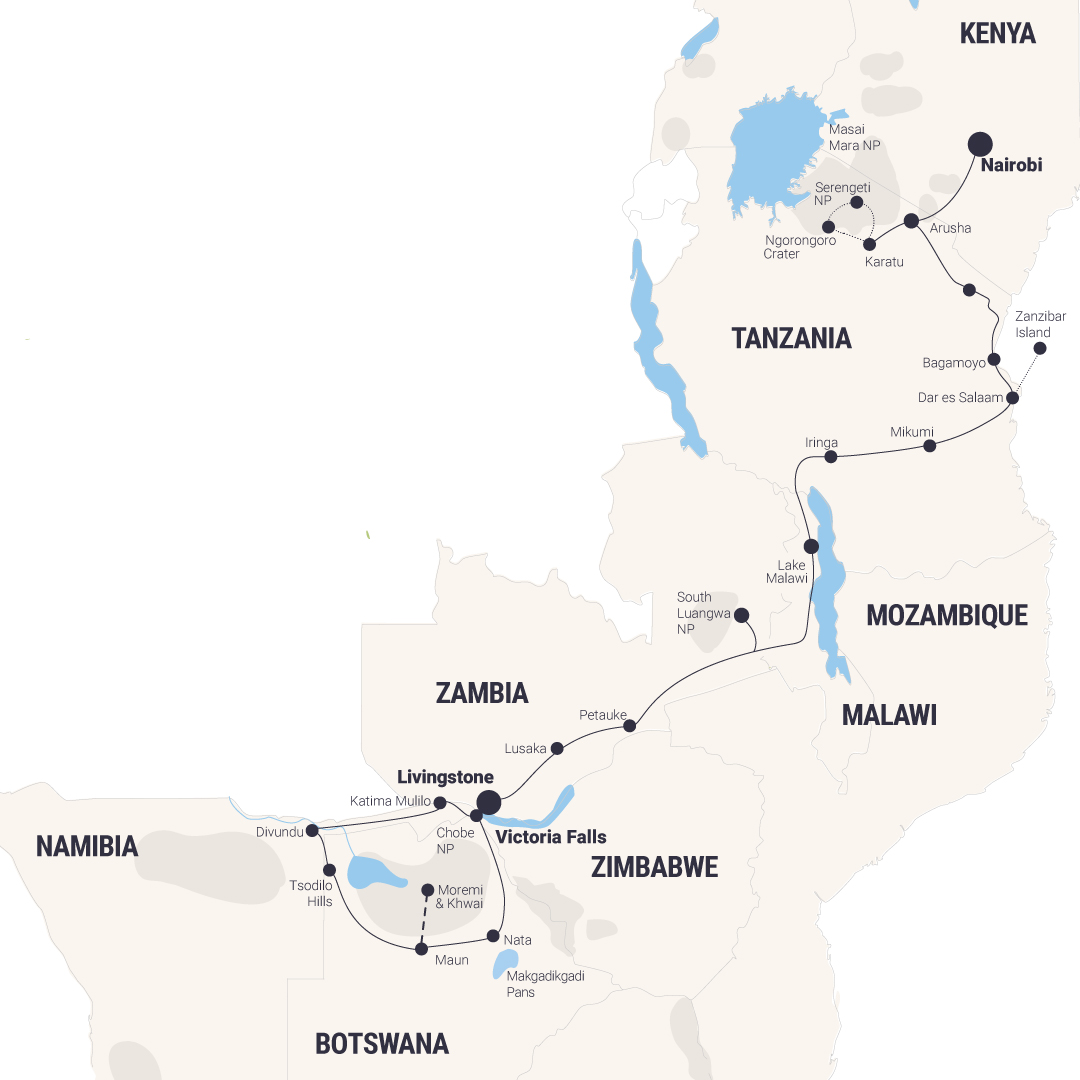
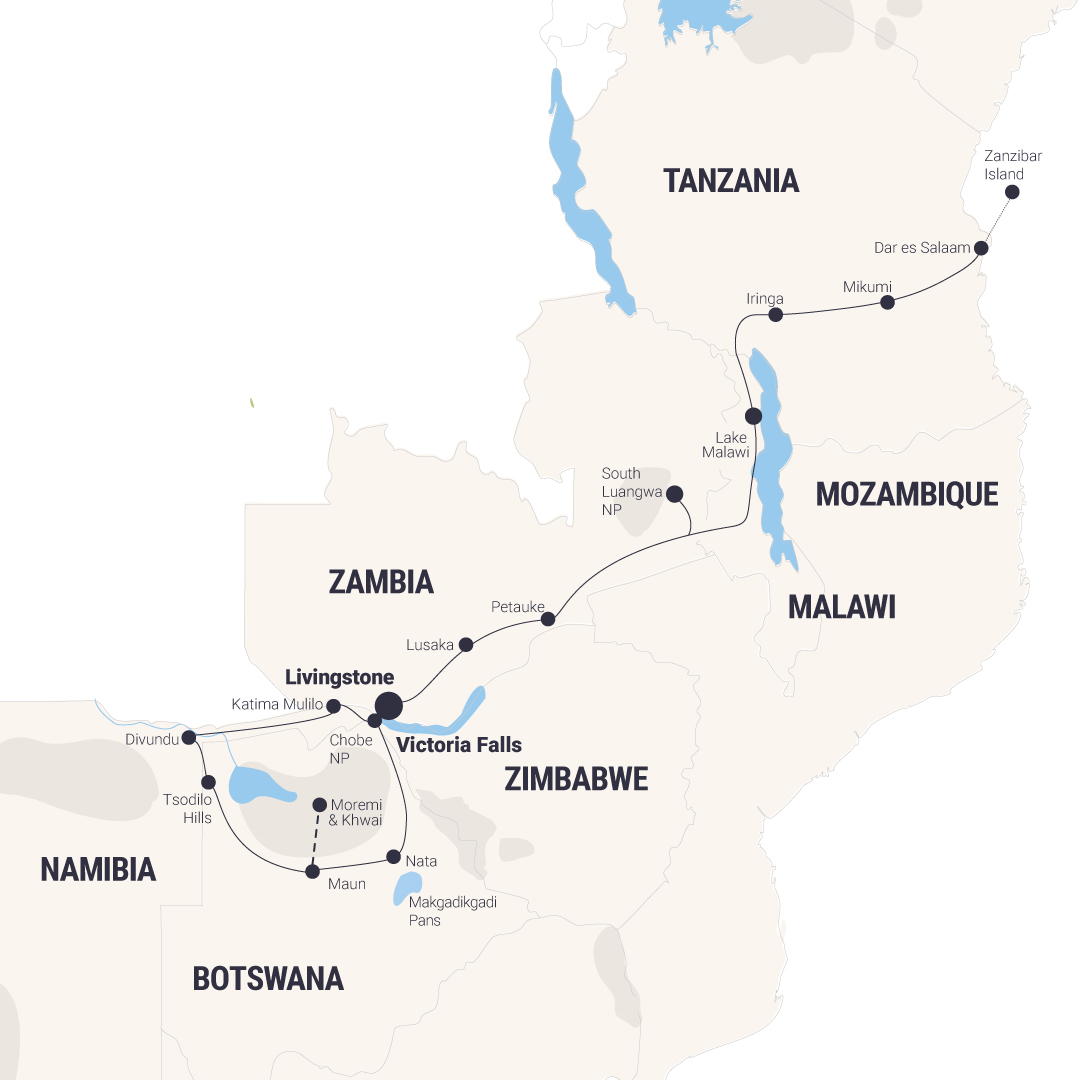
Our Tanzanian Journeys

Tanzania Quick Facts & FAQs

Area

945,203 sq km

Capital

Dar Es Salaam

Languages

English, Swahili, German

Time Zone

(GMT+03:00) Dar Es Salaam

Electrical Plug

Type D (Old British 3-pin) Type G

Population

Est. 43,739,000

Currency

Tanzanian Shilling (TZS)

Yes, most travellers from Europe, the USA, and Canada require a visa to enter Tanzania. You can apply online via the official Tanzania eVisa Portal, or obtain a visa on arrival at major entry points such as airports. A single-entry tourist visa is typically valid for 90 days. Make sure your passport is valid for at least 6 months and has two blank pages.

If you’re arriving from Europe or North America, no vaccines are mandatory. However, a Yellow Fever certificate is required if you’re arriving from, or transiting through, a country with a Yellow Fever risk. Recommended vaccinations include Hepatitis A, Typhoid, Tetanus, and Rabies (for extended stays). Malaria is present, especially in Zanzibar and mainland safari areas — consult your doctor about anti-malarial medication.

Tap water in Tanzania is not recommended for drinking. Stick to bottled, filtered, or boiled water, which is readily available at lodges, restaurants, and shops. Use bottled water for brushing your teeth, and avoid ice in drinks unless you’re sure it’s made from purified water.

Yes, Wi-Fi is available in most hotels, lodges, and urban areas like Arusha, Moshi, and Dar es Salaam. However, in rural areas, national parks, and on safari, expect limited or no internet access. Most accommodations will at least offer Wi-Fi in common areas, but the connection may be slow.

Credit cards — mainly Visa and MasterCard — are accepted in most hotels, lodges, and larger tourist establishments. However, smaller shops, local restaurants, and fuel stations often only accept cash. ATMs are available in towns and cities, and it’s a good idea to carry some Tanzanian Shillings (TZS) for day-to-day purchases and tipping.

Yes. Mobile coverage is good in urban areas and towns, but patchy or unavailable in remote safari destinations. Local SIM cards from providers like Vodacom, Airtel, or Tigo are affordable and can be purchased at the airport or in town. Bring an unlocked phone if you plan to use a local SIM. International roaming works, but can be expensive.